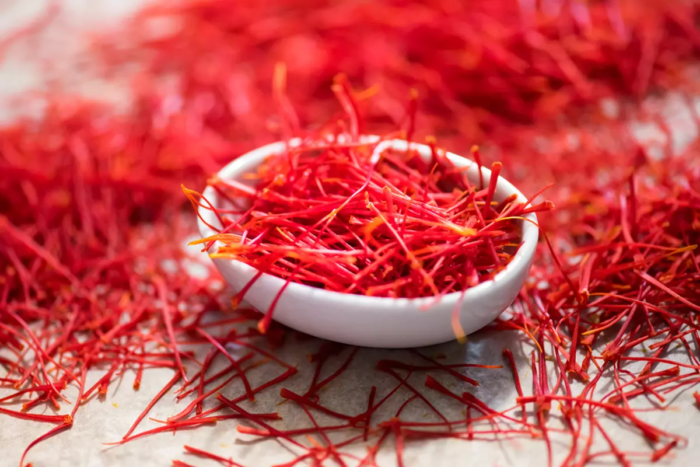
This refers to saffron, a spice with remarkable medicinal properties, especially for the digestive system. Read on to discover the active compounds in saffron and how they can positively influence digestion; furthermore, you will learn how to use saffron to improve your own digestive process!
Miraculous medicinal properties
Saffron is a refined and valuable spice, with many health benefits. One of its main advantages is its high antioxidant content.
These compounds, among which are crocin and picrocrocin, help protect the body’s cells against damage caused by free radicals, the main culprits in the aging process. The antioxidants in saffron fight inflammation and contribute to maintaining overall health.
Moreover, saffron has been associated with improving mental well-being. Research shows that this spice can have positive effects on mood, reducing anxiety and depression.
Regarding cardiovascular health, saffron may have significant benefits. Consuming this spice can help lower blood pressure, reduce bad cholesterol, and prevent heart diseases. Saffron supplements may have a hypotensive effect and contribute to improving lipid profiles.
Beyond these benefits, some studies suggest that saffron may have anticancer properties. This spice could inhibit the growth and multiplication of cancer cells, blocking tumor development and inducing the death of tumor cells. Considering these properties, saffron could be used as part of a cancer prevention regimen.
Active compounds in saffron and their effects on the digestive system
Saffron is a plant with remarkable medicinal properties. The main active components of saffron are crocin, picrocrocin, and safranal. These compounds are responsible for its medicinal properties and have a significant impact on the digestive system.
Crocin is a powerful antioxidant that stimulates gastric secretions, helping to improve digestion. Additionally, picrocrocin and safranal may have antispasmodic effects, helping to reduce stomach pain and intestinal cramps. These compounds interact with the digestive system in a way that enhances its function and reduces discomfort. Saffron can help alleviate symptoms of dyspepsia, including bloating and heartburn, and may contribute to preventing gastric ulcers. Furthermore, saffron has proven benefits in inflammatory bowel disease.
Compared to other natural treatments for digestive issues, saffron stands out due to the complexity of its chemical composition and the wide range of benefits it offers. For example, mint has antispasmodic properties but does not have strong antioxidant properties like saffron. Similarly, ginger can help reduce nausea and vomiting but does not have antidiarrheal effects, unlike saffron.
How to use saffron to improve digestion?
Saffron, a spice with an intense aroma and golden color, is known not only for its distinct flavor but also for its medicinal properties. Proper use of saffron is essential to maximize its effects on the digestive system.
It can be added to various recipes, including teas or dishes, providing a rich taste and health benefits. Additionally, saffron can also be consumed in supplement form, either as capsules or tinctures.




