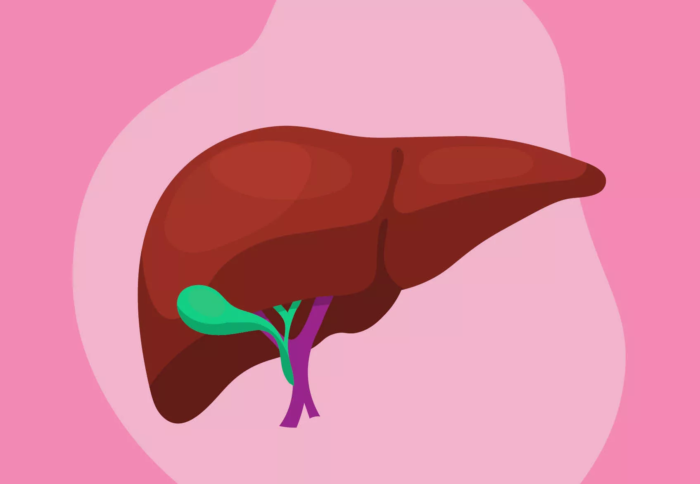
The liver is the most important detoxification organ in the body.
Through its extensive cleansing process, it protects the entire organism from potentially toxic chemicals.
The liver is involved in crucial processes such as metabolism, digestion, energy storage, and hormone production.
Liver detoxification occurs through two phases, known as phase 1 and phase 2.
Phase 1 of liver detoxification
This is the first line of defense against toxins. A group of enzymes is activated to neutralize harmful substances such as alcohol or caffeine.
These enzymes transform toxins into less dangerous substances. Even these can be harmful to DNA if they remain in the liver. This is where phase 2 of detoxification comes into play.
Phase 2 of liver detoxification
The second stage of detoxification involves neutralizing the by-products resulting from phase 1 of detoxification and other remaining toxins.
Lipophilic toxins are transformed into water-soluble metabolites. This conversion facilitates the elimination of toxins from the body through urine. It is achieved through powerful molecules such as glutathione, sulfate, and glycine.
5 strategies to improve liver detoxification
If the liver is healthy, detoxification occurs efficiently on its own. If the liver is affected, overloaded, or stressed due to exposure to a large amount of toxins, detoxification does not happen optimally. It needs support through diet and other natural means.
Dr. Mindy Pelz discusses in a video about eight strategies to open the liver’s detoxification pathways.
The list starts with simple activities that cost us nothing and ends with certain supplements that we can buy from pharmacies or health stores.
Hydration
Make sure you drink enough water. Hydration is essential for detoxification.
Cruciferous vegetables
The most important vegetables for the liver are cruciferous. Eat cabbage, broccoli, cauliflower, radish, arugula, horseradish, Brussels sprouts, and broccoli sprouts. These increase the level of glutathione, the antioxidant that helps the liver eliminate toxins from the body.
Dr. Pelz mentions that there is an intestinal microbiome, but also a microbiome located in the liver and bile region.
Therefore, it is crucial to consume foods that nourish good bacteria. The intestinal and hepatic microbiomes need 9 servings of vegetables per day, says Dr. Pelz.
Castor oil compresses
Buy a bottle of castor oil from health stores. It is important that the container is glass, as castor oil is a very strong conductor. It can transfer harmful substances from plastic into the bloodstream.
Pour a little castor oil onto a cloth or clean towel and apply it to the liver area. Cover it with plastic wrap or another material and place a hot water bottle on top. The heat will carry the castor oil into the liver.
Castor oil compresses decongest the liver’s detoxification pathways. At the same time, they increase lymphocytes, help convert hormone T4 into T3 (useful in thyroid conditions), and alleviate fatty liver disease.
Activated charcoal
Take 2 capsules of activated charcoal. Wait 30 minutes and then consume high-fat foods: avocado, olive oil, nuts, butter.
After 30 minutes, take another 2 capsules of activated charcoal. This method stimulates bile, decongests the liver, and opens the bile duct.
Coffee enemas
Caffeine significantly dilates the liver and bile duct. Coffee enemas filter everything that the liver cannot eliminate. Waste is pushed into the small intestine and then into the colon.




