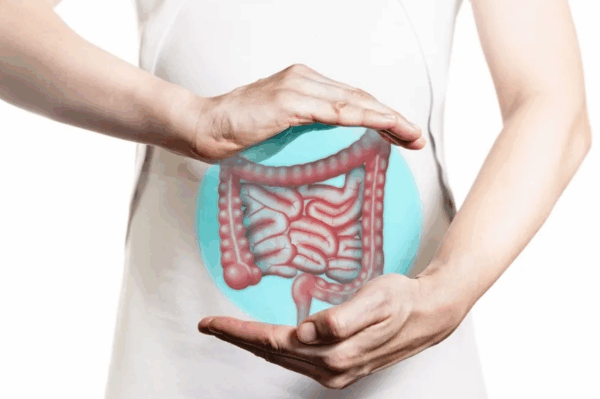
In a world where sophisticated supplements and laboratory detoxes are promoted on all channels, a simple, natural, and forgotten mixture seems to be the key to colon health: flaxseed and psyllium. When combined in the right proportions, these two types of seeds create an extraordinary remedy for regulating intestinal transit, reducing inflammation, and deeply cleansing the colon. In natural medicine, this duo has long been considered an ally of the digestive system, but unfortunately, few people know about it today. What is even more interesting is that there are clinical studies supporting the effectiveness of this mixture.
What Does This Mixture Contain?
-
Ground flaxseed (1 tablespoon)
-
Psyllium husk (1 tablespoon)
-
200 ml warm water or plant-based milk
Let the mixture soak for 10-15 minutes, then consume it on an empty stomach in the morning. Immediately after consuming this preparation, drink a large glass of water (at least 250 ml) to prevent constipation and activate the soluble fibers.
Benefits for Colon Health
1. Mechanical Cleansing of the Intestinal Walls
The soluble fibers from psyllium swell upon contact with liquids and form a gelatinous mass that sweeps toxins off the walls of the colon. This process helps eliminate mucus, old deposits, and food residues that remain stuck to the intestinal walls. In contact with flaxseed, which has a soothing effect, the intestinal mucosa is protected and repaired, preventing irritation. Regular cleansing of the colon reduces the risk of inflammatory bowel diseases, such as ulcerative colitis or diverticulitis. This process also contributes to better nutrient absorption in the small intestine.
2. Combating Chronic Constipation
Regular consumption of this mixture helps regulate intestinal transit naturally, without the side effects associated with chemical laxatives. The fibers absorb water and form a softer stool that is easier to eliminate. At the same time, the omega-3 fatty acids from flaxseed have an anti-inflammatory effect, promoting relaxation of the smooth intestinal muscles. People suffering from chronic constipation may notice improvement within the first 3-4 days of administration. It is a recommended remedy even in cases of irritable bowel syndrome with predominant constipation.
3. Preventing Colonic Polyps and Reducing the Risk of Colorectal Cancer
The dietary fibers from psyllium and flaxseed reduce the transit time of food through the intestine, limiting the exposure of the colonic mucosa to toxins and carcinogenic compounds. The lignans in flaxseed are powerful antioxidants that help neutralize free radicals and may reduce the risk of cellular mutations. Additionally, the fibers ferment in the large intestine and produce butyrate, a fatty acid with proven anticancer effects on colonic cells. Regular use of this mixture can be a natural adjunct in prevention strategies. Epidemiological studies show a correlation between high-fiber diets and a reduced risk of colorectal cancer.
4. Reducing Intestinal Inflammation
The omega-3s from flaxseed act as a natural anti-inflammatory, while psyllium soothes irritation of the intestinal mucosa. This dual effect is essential for individuals with colitis, Crohn’s disease, or irritable bowel syndrome. Additionally, the gel formed by these seeds protects the mucosa from the action of aggressive digestive enzymes. A significant reduction in symptoms such as bloating, cramps, or abdominal pain is observed. Furthermore, chronic inflammation of the colon is a risk factor for cancer, and combating it is an important preventive measure.
5. Regulating Intestinal Microflora
Psyllium acts as a natural prebiotic, nourishing beneficial bacteria in the intestine, especially species of Bifidobacterium and Lactobacillus. These bacteria contribute to digestion, the synthesis of certain vitamins (such as B12), and strengthening local immunity. Additionally, the lignans in flaxseed support a balanced intestinal environment, reducing the proliferation of pathogenic bacteria. A balanced intestinal flora helps control weight, regulate mood, and prevent autoimmune diseases. It is a natural solution for restoring flora after prolonged courses of antibiotics.
Studies and Research
A study published in British Journal of Nutrition (2019) analyzed the effects of daily consumption of psyllium and flaxseed on colon health in a group of 80 patients with chronic constipation. Participants were divided into two groups: one received the mixture, while the other received a placebo. After 4 weeks, the group that consumed the mixture reported a significant improvement in stool frequency, reduced abdominal pain, and alleviated bloating. Additionally, fecal analyses showed an increase in short-chain fatty acids, especially butyrate, which has a protective role for the colon.
Another study published in Journal of Medicinal Food (2021) showed that individuals who consumed ground flaxseed daily for 6 weeks exhibited a decrease in intestinal inflammatory markers, such as CRP and IL-6. These markers are involved in chronic inflammation that can promote the development of colon cancer. The study concluded that the fatty acids from flaxseed can modulate the genetic expression of colonic cells. The authors recommended including this mixture in cancer prevention diets.
Additionally, research conducted by Harvard School of Public Health highlighted the importance of fermentable fibers (such as those from psyllium) in maintaining a healthy intestinal microbiome. It was found that a diet rich in such fibers reduces systemic inflammation and has beneficial effects on mental and metabolic health. Researchers emphasized the direct link between balanced intestinal flora and a reduced risk of chronic conditions, including those of the colon.
Contraindications and Precautions
-
Individuals suffering from intestinal obstructions or esophageal stenosis should not consume psyllium due to the risk of intestinal blockage.
-
This mixture requires ample hydration; without sufficient water, it can cause severe constipation.
-
Flaxseed contains small amounts of cyanogenic compounds, so it is not recommended in large quantities (more than 2 tablespoons/day).
-
It is not recommended for children under 6 years old or individuals with swallowing difficulties.
-
It may interfere with the absorption of certain medications (antidepressants, anticoagulants); it is recommended that doses be taken at least 2 hours apart.
-
Pregnant women should consult a doctor before regular consumption.
-
It may cause temporary bloating in the first few days of use; this is a normal adaptation effect of the intestinal flora.
Sources:
-
British Journal of Nutrition Effects of flaxseed and psyllium on constipation and colon health
-
Journal of Medicinal Food Anti-inflammatory effects of flaxseed in gastrointestinal health
-
Harvard School of Public Health Gut microbiota and fiber: their role in disease prevention and health promotion




