Maintaining a healthy diet offers multiple health benefits, as it can play an important role in caring for the body.
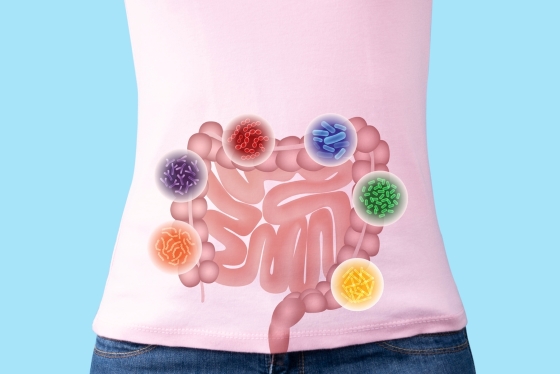
Indeed, colon care is essential for the proper functioning of the digestive process, helping to prevent various issues such as abdominal pain, gas, bloating, intestinal disturbances, and/or constipation.
Due to its high content of fiber, antioxidants, vitamins, and minerals, this fruit is an excellent option for preventing colon diseases.
What is the fruit that helps cleanse the colon?
Apples are characterized not only by their sweet and juicy taste but also by their benefits for digestive health.
Being rich in fiber, this food helps promote regular intestinal transit and prevents constipation. Additionally, antioxidants protect cells against oxidative damage and help prevent cancers such as colon, kidney, and lung cancer.
Another positive contribution is that it protects the colon mucosa, reducing contact with potentially toxic substances that can affect this area.
Benefits of Daily Apple Consumption
According to Alimente+, the nutritional composition of apples makes them a healthy choice to be included in our daily diet.
A study from Harvard University showed that pectins, a type of soluble fiber found in apples, are particularly effective in treating constipation and can modestly contribute to lowering LDL cholesterol levels.
Moreover, these pectins are fermented by beneficial bacteria in the colon. Regular apple consumption can also be beneficial for pancreatic health, protecting cells from damage and reducing the risk of developing type 2 diabetes.
What diseases can apples prevent?
Regular apple consumption helps prevent various diseases. Among the most important are:
- Cardiovascular diseases: soluble fibers (pectin) lower LDL cholesterol, while flavonoids protect the heart.
- Type 2 diabetes: its fibers regulate blood sugar levels, and regular consumption reduces the risk of developing this disease.
- Asthma and lung diseases: antioxidants and flavonoids improve lung function, while quercetin alleviates asthma symptoms.
- Neurodegenerative diseases: reduce oxidative damage and inflammation in the brain, helping to prevent Alzheimer’s and Parkinson’s diseases.
- High blood pressure: contains histidine, which promotes arterial health in individuals with hypertension.
- Treatment of anemia: their potassium content helps manage anemia.
- Prevention of cataracts: quercetin protects eye health and reduces the risk of cataracts.
Four Tips for Colon Health
It is possible to optimize its functioning through a proper diet and the use of natural products:
- Maintaining a balanced diet rich in fruits, vegetables, and lean proteins plays a fundamental role in the well-being of the digestive system.
- Incorporating fresh and varied foods not only aids the digestive process but also helps prevent colon-related issues.
- It is important to reduce the consumption of alcoholic beverages and avoid ultra-processed products, as their high levels of fats, sugars, and other additives negatively affect intestinal health.




