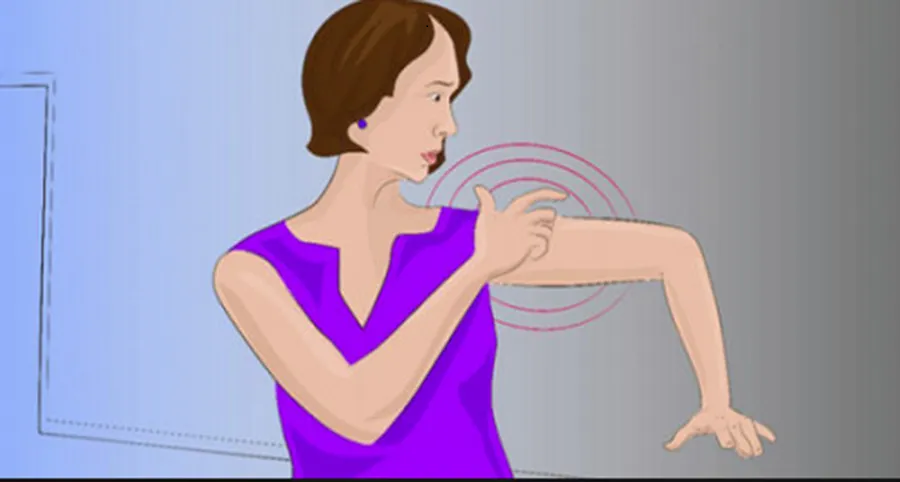
Stroke is the second leading cause of disability worldwide, affecting approximately 15 million people each year. Of these, one-third do not survive, and millions are left with permanent disabilities. While the incidence of stroke is decreasing in developed countries, in other regions such as Latin America, sub-Saharan Africa, and the Middle East, the number of deaths caused by this condition is expected to triple in the next 20 years.
What is a Stroke?
A stroke occurs when the blood flow to the brain is interrupted, leading to the rapid death of brain cells deprived of oxygen. This phenomenon can have severe effects on memory and essential skills, depending on the area of the brain affected.
Main Types of Stroke:
- Hemorrhagic Stroke caused by the rupture of a blood vessel, resulting in bleeding inside or around the brain. It can be triggered by:
- Cerebral aneurysm
- Head injuries
- Genetic malformations of blood vessels
- Ischemic Stroke caused by a blockage of a blood vessel, usually due to a clot that prevents blood from reaching the brain. This is the most common type of stroke.
- Transient Ischemic Attack (Mini-Stroke) a temporary blockage of blood flow to the brain, with symptoms that disappear within a few minutes. Although temporary, this condition requires urgent medical evaluation, as it may herald a major stroke.
Risk Factors for Stroke
Although strokes can occur at any age, they are more common in people over 60. The main risk factors include:
- Alcohol and drug use (cocaine, methamphetamine)
- High blood pressure
- High cholesterol and atherosclerosis
- Diabetes
- Obesity and a sedentary lifestyle
- Unhealthy diet
- Smoking
- Stress and depression
- Long-term use of anti-inflammatories (ibuprofen, naproxen)
- Genetic and hereditary factors
- Age and sex – men under 60 are more prone to stroke, but women have a higher risk of death from it
Symptoms of a Stroke
Quick recognition of symptoms is essential for prompt medical intervention. The most common signs of a stroke include:
- Pain on one side of the face occurs suddenly, without a clear explanation, and is more frequently reported by women.
- Blurred vision difficulty focusing, double vision, or temporary loss of vision in one eye.
- Breathing or swallowing difficulties more common among women.
- Trembling of the hands a rare symptom, but a possible indicator of a stroke.
- Loss of balance dizziness, lack of coordination, or inability to stand without support.
- Difficulty walking numbness, tingling, or weakness on one side of the body affecting mobility.
- Facial paralysis sudden weakness on one side of the face, arm, or leg.
Preventing Stroke
Approximately 80% of stroke cases can be prevented through a healthy lifestyle. Recommended measures to reduce risk include:
- Keeping blood pressure below 120/80 mmHg
- Adopting a balanced diet and maintaining a healthy weight
- Regular physical exercise (30 minutes a day, 5 times a week)
- Limiting alcohol consumption and quitting smoking
- Monitoring blood sugar levels, especially in cases of diabetes
F.A.S.T. – Signs of a Stroke
Every minute counts in the case of a stroke. Experts recommend using the acronym FAST for quick recognition of symptoms:
- F (Face): Ask the person to smile. If one side of the face remains still or droops, it may be a sign of a stroke.
- A (Arms): Ask the person to raise both arms. If one arm drops involuntarily, it may be affected by a stroke.
- S (Speech): Ask them to repeat a simple phrase. If the person speaks unclearly or cannot repeat it correctly, they may be having a stroke.
- T (Time): Call emergency services immediately. Every second counts in limiting the effects of a stroke.
Conclusion
Rapid medical treatment applied within the first three hours of symptom onset can significantly increase the chances of recovery without severe disabilities. Recognizing symptoms and acting quickly can make the difference between life and death.




