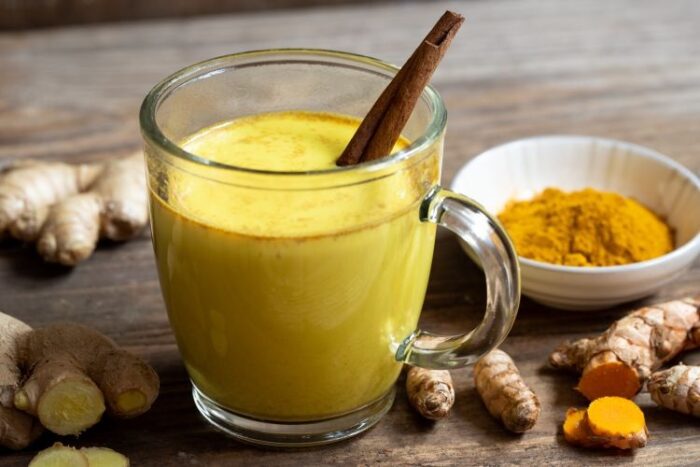
Turmeric (Curcuma longa) is a medicinal plant used for thousands of years in Ayurvedic and Chinese medicine due to its remarkable anti-inflammatory and antioxidant properties.
What is Turmeric?
Turmeric is a yellow-orange root belonging to the same family as ginger. Its main active substance is curcumin, a bioactive compound with powerful anti-inflammatory and antioxidant effects.
Health Benefits of Turmeric
1. Strong Anti-Inflammatory Properties
Curcumin inhibits inflammatory molecules in the body, such as nuclear factor kappa B (NF-kB), which is responsible for chronic inflammation that can lead to diseases such as arthritis, diabetes, and cardiovascular conditions.
2. Studies on Effects on Arthritis
Several studies have shown that turmeric is as effective as some non-steroidal anti-inflammatory drugs (NSAIDs) in reducing pain and inflammation in patients with rheumatoid arthritis and osteoarthritis. A study published in Journal of Medicinal Food showed that patients who took 500 mg of curcumin three times a day experienced a significant reduction in pain and joint stiffness.
3. Improves Brain Function and Reduces the Risk of Neurodegenerative Diseases
Curcumin increases the level of BDNF (Brain-Derived Neurotrophic Factor), a protein essential for brain health. This can help prevent Alzheimer’s disease and other neurodegenerative conditions.
4. Supports Heart Health
Turmeric contributes to improving endothelial function (the health of blood vessels) and reduces inflammation and oxidative stress, thereby preventing cardiovascular diseases.
5. Beneficial Effects on Digestion
It is known as a traditional remedy for digestive issues, helping to reduce bloating and stimulating bile production for better digestion.
How to Consume Turmeric Correctly?
Although turmeric is beneficial, curcumin has a low bioavailability, meaning our body absorbs it poorly. Here are some methods to maximize its effects:
- Combine with Black Pepper – Piperine in black pepper increases curcumin absorption by up to 2000%!
- Combine with Healthy Fats – Curcumin is fat-soluble, so it is best consumed with coconut oil, olive oil, or avocado.
- Heat Lightly – Heating at low temperatures can increase curcumin absorption in the body.
Delicious Turmeric Recipes
Golden Milk
A traditional Ayurvedic remedy with relaxing and anti-inflammatory properties.
Ingredients:
- 1 cup of plant-based milk (almond, coconut, oat)
- 1 tablespoon of turmeric powder
- 1 pinch of black pepper
- 1/2 teaspoon of cinnamon
- 1 tablespoon of honey (optional)
Preparation: Heat the milk in a saucepan and add all the ingredients. Mix well and consume warm.
Anti-Inflammatory Smoothie
Ingredients:
- 1 banana
- 1 tablespoon of turmeric
- 1/2 tablespoon of grated ginger
- 1 cup of coconut milk
- 1 tablespoon of chia seeds
Preparation: Blend all the ingredients and serve immediately.
Recent Studies and Research
- A study published in Frontiers in Pharmacology concluded that turmeric can be used as an adjunct therapy for arthritis due to its anti-inflammatory effects.
- Research from Journal of Alternative and Complementary Medicine showed that curcumin reduces symptoms of depression as effectively as fluoxetine (Prozac), without the side effects of conventional medications.
- A meta-analysis from Molecules (2021) confirmed the efficacy of curcumin in reducing systemic inflammation in patients with chronic diseases.
Precautions and Contraindications
Although turmeric is safe for most people, it may have some side effects:
- It may interact with anticoagulant medications (warfarin, aspirin).
- It may cause gastric discomfort in high doses.
- Pregnant women should consult a doctor before consuming turmeric in large quantities.
Turmeric is a superfood with extraordinary effects on health, having the ability to reduce inflammation and improve quality of life. However, to maximize its benefits, it is important to consume it correctly and in combination with the right ingredients.
Have you tried turmeric in your daily diet? Let us know in the comments your favorite recipe!




