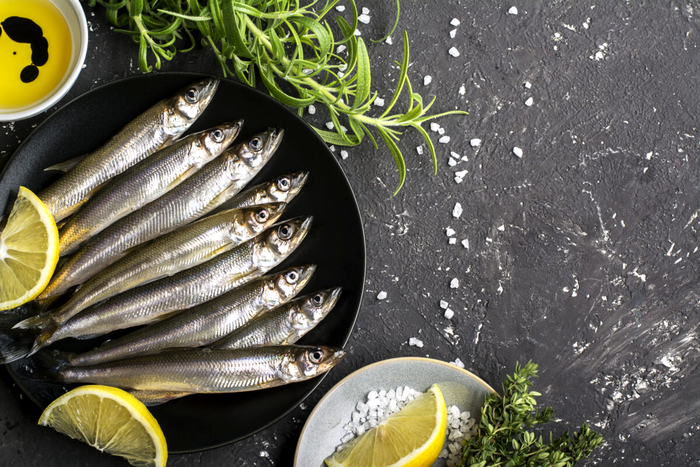
A versatile and tasty food that can be included in daily menus
Herring is one of the most valuable fish when it comes to vitamin D content, being an excellent food source, as mentioned by Dr. Lygia Alexandrescu.
The Importance of Vitamin D
Vitamin D is essential for:
Bone health contributes to calcium absorption and prevents osteoporosis.
Immune system function helps the body fight against infections.
Overall health plays an important role in multiple metabolic processes.
Consuming herring can provide up to half of the daily recommended dose of vitamin D, depending on the preparation method (fresh, smoked, or pickled).
Why Choose Herring?
High vitamin D content up to 680 IU / 100 g, an essential intake for maintaining health.
Healthy fats rich in omega-3 fatty acids, beneficial for the heart and brain.
Additional nutrient sources contains vitamin B12, selenium, and high-quality proteins.
Herring is a versatile and tasty food that can be included in daily menus in various forms, from soups and stews to salads or baked dishes. Choosing it not only adds variety to meals but also supports long-term health, being a valuable investment in physical and mental well-being.
Herring: The Champion of Vitamins and Minerals
Herring contains not only vitamin D but also:
B vitamins essential for the nervous system.
Vitamin A necessary for skin and eye health.
Important minerals phosphorus, iodine, calcium, zinc, and iron.
100 g of herring provides half of the daily dose of vitamin D! (Dr. Lygia Alexandrescu, accredited nutritionist by the International Olympic Committee)
How Can Herring Be Consumed?
Fresh ideal for baking, grilling, or frying.
Smoked a popular option in many European countries, with a distinctive taste.
Pickled a traditional delicacy in Nordic cuisines.
Regardless of the preparation method, herring remains an excellent choice for a healthy lifestyle!




