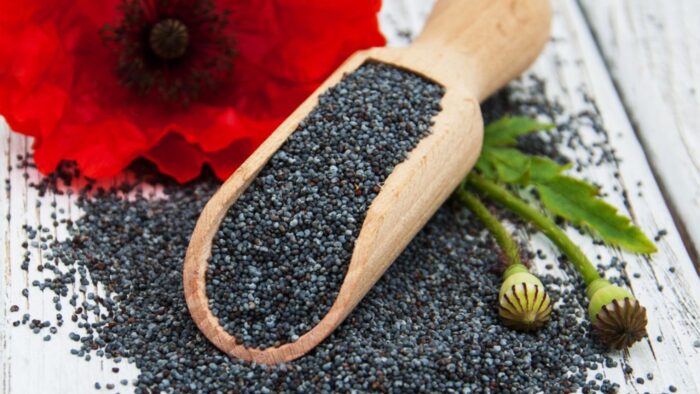
The poppy (Papaver somniferum) is a plant with a fascinating history, used for thousands of years for both culinary and medicinal purposes. Poppy seeds are rich in essential nutrients, and recent studies confirm their health benefits.
Nutritional composition of poppy seeds
Poppy seeds are an excellent source of:
Essential fatty acids Omega-3 and Omega-6, essential for heart health
Fiber Aids digestion and maintains intestinal health
Proteins Contributes to cellular regeneration
Essential minerals Iron, calcium, magnesium, and zinc
Studies and research
Heart health A study published in Journal of Nutrition shows that the fatty acids in poppy seeds may help reduce inflammation and lower the risk of cardiovascular diseases.
Improving digestion Research indicates that the fiber in poppy seeds helps maintain healthy bowel transit and prevents constipation.
Antioxidant effects Poppy seeds contain antioxidants that protect cells against oxidative stress, reducing the risk of chronic diseases.
Ways to consume
Poppy seeds can be easily integrated into the diet:
In baked goods Bread, muffins, and cookies
In salads Adds a mild nutty flavor and a boost of nutrients
In yogurt and smoothies Perfect for a healthy breakfast
In Asian and Indian dishes Used in sauces and curries
Precautions
Although poppy seeds are safe for consumption, it is important to:
Consume them in moderation, as they have a high fat content
Avoid excessive consumption if you are undergoing medical treatments, as they may influence the metabolism of certain substances
Check the source of the seeds to avoid possible contamination
Poppy is not just a delicious ingredient but also a superfood with numerous health benefits. Whether you consume it for its pleasant taste or its therapeutic effects, this small but powerful food deserves a place in your daily diet.
Have you tried poppy seeds? How do you like to consume them? Leave us a comment!




