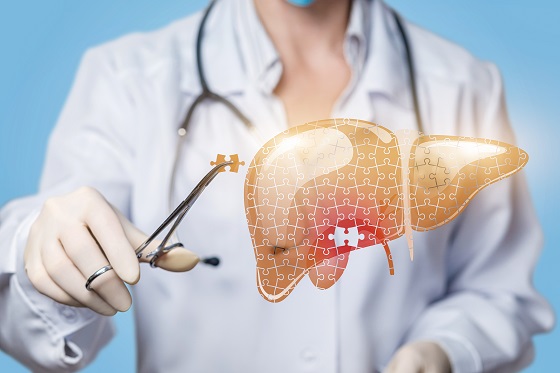
Stress is an omnipresent factor in the context of modern life, influencing essential functions of the body, including liver activity. From the perspective of Traditional Chinese Medicine (TCM), the liver plays a central role in managing emotions such as anger, frustration, and stress. Imbalances in liver function can cause significant disturbances in an interdependent biological system.
The Interaction Between Stress and Liver Function
According to TCM principles, the liver regulates the flow of vital energy (Qi) in the body. Prolonged stress can induce stagnation of liver energy flow, manifesting as:
- Muscle tension and chronic pain;
- Digestive dysfunctions, such as bloating and nausea;
- Emotional instability and irritability;
- Persistent fatigue and sleep disturbances;
- Hormonal imbalances and migraines.
Managing stress is fundamental to preventing these symptoms and optimizing liver function. Integrating herbal remedies offers a natural and effective alternative in this regard.
Herbal Therapy for Supporting the Liver: 7 Key Plants
1. Milk Thistle (Silybum marianum)
The active component, silymarin, has antioxidant and hepatoprotective properties, facilitating the regeneration of liver cells. Its effectiveness is demonstrated in preventing and treating liver damage associated with oxidative stress.
2. Schisandra (Schisandra chinensis)
Classified as an adaptogen, schisandra supports liver metabolic function and increases the body’s resistance to stress, also having beneficial effects on cognitive performance.
3. Turmeric (Curcuma longa)
Curcumin, the main polyphenol in turmeric, stimulates liver enzymatic processes involved in detoxification and reduces systemic inflammation associated with chronic stress.
4. Dandelion (Taraxacum officinale)
This plant promotes bile flow, contributing to detoxification processes and reducing gastrointestinal symptoms induced by stress.
5. Reishi (Ganoderma lucidum)
Known as Reishi, this adaptogen regulates cortisol levels, promoting the restoration of homeostasis and functional protection of the liver.
6. Eleutherococcus (Eleutherococcus senticosus)
Used to increase resistance to physical and mental effort, Siberian ginseng supports liver regeneration and detoxification, preventing the cumulative effects of stress.
7. Licorice (Glycyrrhiza glabra)
Through its anti-inflammatory and immunomodulatory actions, licorice plays an important role in preventing liver damage caused by stress and metabolic imbalances.
Complementary Strategies for a Healthy Liver
For an integrative approach, it is recommended to:
- Practice stress-reduction techniques, such as mindfulness and meditation;
- Maintain a balanced diet based on whole foods and cruciferous vegetables;
- Stay adequately hydrated to support detoxification processes;
- Avoid hepatotoxic substances, such as alcohol and trans fats;
- Engage in regular physical activity to stimulate liver blood flow.
Conclusions
The relationship between stress and the liver underscores the need for a preventive and holistic approach. Plants such as milk thistle, schisandra, and turmeric offer validated solutions for maintaining liver functionality.




