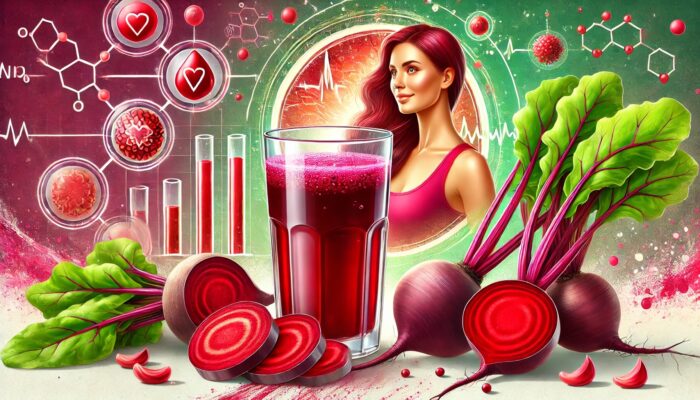
Beetroot is recognized as one of the most powerful natural foods for combating anemia. Rich in essential nutrients, this root vegetable supports overall health, helping to restore iron levels in the body and improve the production of red blood cells. Here’s how beetroot acts in treating anemia, how to consume it, and its main benefits.
How does beetroot help in combating anemia?
1. High iron content
The iron in beetroot helps increase hemoglobin levels, which is essential for transporting oxygen in the body. Iron deficiency is one of the main causes of anemia, and beetroot is a natural solution to prevent and treat this issue.
2. Rich in folic acid
Beetroot is an excellent source of folic acid (vitamin B9), which stimulates the production of red blood cells and contributes to the health of the circulatory system.
3. Contains vitamin C
The vitamin C in beetroot aids in better iron absorption, enhancing its effectiveness in treating anemia.
4. Blood detoxification
The pigments in beetroot (betalains) have antioxidant and anti-inflammatory properties, contributing to blood purification and improving overall health.
Ways to consume beetroot for treating anemia
1. Beetroot juice
Ingredients: 1 beetroot, 2 carrots, 1 apple.
Preparation: Wash the ingredients well, peel them, and process them in a juicer. Drink the juice fresh, preferably in the morning on an empty stomach.
Benefits: Increases energy, improves hemoglobin levels, and supports overall health.
2. Beetroot salad with lemon
Ingredients: 1 medium beetroot, 1 tablespoon of lemon juice, 1 tablespoon of olive oil, salt to taste.
Preparation: Grate the raw beetroot, add lemon juice, olive oil, and salt. Mix well.
Benefits: The salad stimulates iron absorption due to the vitamin C in lemon and contributes to detoxifying the body.
3. Boiled or roasted beetroot
Preparation: Boil the whole beetroot (about 30-40 minutes) or roast it in aluminum foil in the oven. After cooling, slice it and consume it plain or in salads.
Benefits: It is easier to digest and retains most essential nutrients.
4. Beetroot and spinach smoothie
Ingredients: 1 small beetroot, 1 handful of spinach leaves, 1 banana, 200 ml plant-based milk (or water).
Preparation: Blend all the ingredients until you achieve a smooth consistency.
Benefits: The combination of beetroot and spinach provides a high intake of iron and other essential vitamins.
5. Beetroot soup
Ingredients: 2 medium beetroots, 2 carrots, 1 onion, 1 potato, lemon juice, fresh herbs.
Preparation: Boil the vegetables until soft, add lemon juice and herbs. Serve warm for a complete nutrient intake.
Side effects and precautions
Although beetroot is beneficial, excessive consumption can cause:
Coloring of urine or stool (a harmless phenomenon).
Mild digestive issues (bloating) in sensitive individuals.
It is recommended to consume in moderation and consult a doctor before using beetroot as a treatment for anemia, especially in the case of pre-existing conditions.
Conclusion
Beetroot is a reliable ally in the fight against anemia, due to its high content of iron, folic acid, and antioxidants. Integrated into a varied and balanced diet, this root vegetable can significantly improve overall health and energy levels. Try the presented recipes to benefit from the therapeutic properties of beetroot!




