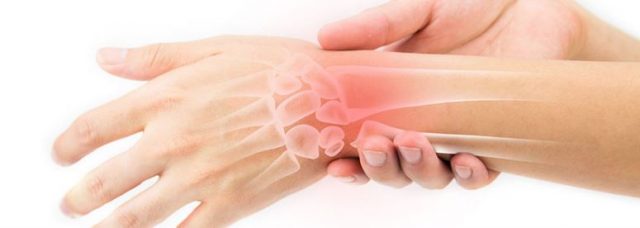
The hands are composed of bones, ligaments, tendons, nerves, skin, and other structures that allow them to perform a complex variety of activities. However, for various reasons, problems can arise. What causes hand pain and what treatments are available?
Causes of Hand Pain
Hand pain can have a variety of causes and can be treated depending on the factors involved. Therefore, there are numerous causes of hand pain, but most people experiencing this discomfort face one of the following issues:
Arthritis
This is a chronic inflammatory condition of the joints that also affects the hands. In fact, the hand is the part of the body most commonly affected by arthritis. Most individuals over the age of 60 (and some even earlier) develop this condition. Different types of arthritis can affect the hands, but the most commonly encountered are osteoarthritis and rheumatoid arthritis.
Osteoarthritis
This is a chronic joint condition characterized by the deterioration of cartilage that covers the ends of bones. Osteoarthritis can cause pain and stiffness in the hands. Treatment may include pain relief medications, physical therapy, stretching exercises, and lifestyle changes such as weight loss and avoiding activities that overstrain the hands.
Tendinitis
Problems with tendons are also a common source of pain in the hands. Tendinitis is a condition in which inflammation occurs inside or around a tendon. Normal movement of the hands and fingers can be affected, with the person experiencing pain and swelling at the site of inflammation. Another common issue arises when the tendons of the fingers develop a nodular inflammation, causing the finger to get stuck as it extends and retracts. When the tendon releases, it causes a sensation of popping known as trigger finger.
Ligament Injury
Ligament injuries in the hands can occur as a result of trauma to the hand or fingers. The hand has 27 bones connected by a vast network of ligaments. These allow movement and prevent instability of the joints. Injuries to this network of ligaments can cause problems with performing simple activities such as bending, gripping, or pinching.
Nerve Irritation
Several major nerves create sensations in the hand, and injury or compression of these nerves often leads to painful symptoms. The most common condition is carpal tunnel syndrome, which occurs when there is irritation or damage to the median nerve at the wrist. Individuals with carpal tunnel syndrome often complain of pain and numbness in certain areas of the hand. Other nerves can also be compressed; carpal tunnel syndrome is not the only nerve-related issue that causes hand pain. Cubital tunnel syndrome occurs when the ulnar nerve is compressed at the back of the elbow joint.
Signs of Nerve Damage Include:
Numbness or tingling in the hands and feet.
A feeling of weakness in the hand or a tight grip.
Muscle weakness, especially in the arms or legs.
Frequently dropping objects being held in the hand.
Sharp pain in the hands, arms, legs, or feet.
A sensation of electric shock that feels mild.
Fractures
Broken bones in the hand are an obvious source of pain. Since hand function is essential for many activities, it is important for the patient to ensure that treatment is appropriate. Most hand fractures will appear on a standard X-ray of the hand, but some injuries may require further investigation.
Ganglion Cysts
A ganglion cyst can occur anywhere in the body where fluid that is normally contained in a joint or tendon sheath accumulates in a pouch-like structure. Ganglion cysts frequently form in the hand due to the many joints and tendon sheaths present. They cause hand pain when they interfere with the normal movements of the joints and tendons.
Diabetes
Uncontrolled blood sugar levels, typically in diabetics, can contribute to impaired blood circulation, which can also affect the nerves, leading to neuropathy. This results in pain, tingling sensations, and even numbness in the hands and feet. Electrolyte depletion in the blood can also lead to muscle cramps. In rare cases, muscle cramps can be a symptom of kidney disorders. The endocrine condition diabetes can be accompanied by cramps in the muscles of the legs and arms, and hypoglycemia or low blood sugar can also cause muscle cramps.
There are many other causes of hand pain that should be considered if one of the more common problems listed above is not identified.
Although not pathognomonic for upper digestive conditions, hand pain can also occur in severe gastritis, alongside chest pain that radiates to the back, neck, shoulder, or arm.
How to Treat Hand Pain
Hand pain can be treated in the following ways:
With Rest:
Many causes of hand pain result from repetitive strain or overuse syndromes. By avoiding activity, the symptoms of inflammation can diminish, and discomfort often resolves with rest and without additional treatment.
With Ice:
Ice is a useful tool for controlling inflammation and alleviating pain. By applying ice to an inflamed area, swelling can be reduced, and pain can also be controlled.
By Applying Heat:
Many individuals with recurring hand pain find relief from applying heat. By immersing the hands in warm water or wrapping a warm, moist compress around the hand, pain can be alleviated.
With Anti-inflammatory Medications:
NSAIDs are useful for reducing inflammation and pain. These medications can have side effects, so it is advisable to consult a doctor before starting treatment. There are also alternatives to non-steroidal anti-inflammatory drugs, such as various natural therapies or physical therapy.
Immunomodulatory Medications:
In the treatment of hand pain associated with inflammatory conditions, such as rheumatoid arthritis, immunomodulatory medications may be prescribed. These medications are known as disease-modifying antirheumatic drugs (DMARDs) and can have a beneficial effect in reducing inflammation and alleviating symptoms. Here are some common types of immunomodulatory medications used in treating hand pain: Methotrexate, Sulfasalazine, Leflunomide.
Physical Therapy:
Physical therapy and stretching exercises can play an important role in managing hand pain and improving joint function. They can be beneficial in a variety of conditions, such as osteoarthritis, tendinitis, or carpal tunnel syndrome.
Corticosteroid Injections:
Corticosteroid injections can be used in treating hand pain in certain situations and specific conditions. Corticosteroids are powerful anti-inflammatory medications that can reduce inflammation and alleviate symptoms associated with various hand conditions: tendinitis or bursitis, rheumatoid arthritis, carpal tunnel syndrome.
Surgical Interventions
Surgical interventions may be considered in severe cases or when other treatment options have not been successful in managing hand pain. There are several surgical procedures available for various hand conditions, and the choice of intervention depends on the specific cause of the pain and the evaluation by a specialist. Here are some examples of surgical interventions used in the treatment of hand pain:
Arthroplasty: This is a procedure in which an affected joint is replaced with an artificial joint or prosthesis. Arthroplasty can be used in cases of severe osteoarthritis or rheumatoid arthritis when pain and joint dysfunction significantly affect the patient’s quality of life.
Tenolysis: This is a procedure in which adhesions or scar tissue that limit the movement of a tendon are removed. Tenolysis can be performed to treat chronic tendinitis or to improve the mobility of affected tendons.
Carpal Tunnel Decompression: In the case of carpal tunnel syndrome, where the median nerve is compressed at the wrist, surgical intervention may be necessary to relieve pressure on the nerve. During the procedure, a section of the ligament that forms the carpal tunnel is cut to reduce nerve compression.
Repair of Ligaments and Tendons: In cases of severe ligament or tendon injuries in the hand, surgical intervention may be necessary to repair or reconstruct the affected structures. This can be performed in cases of ruptured ligaments, tendons, or syndesmoses.
When to Seek Medical Consultation
Most often, hand pain resolves with simple treatments. However, there are conditions that require urgent or complex treatments. See a doctor if you experience:
Signs of infection, including redness, fever, and chills.
Deformity of the hand or fingers after an injury.
Inability to bend fingers or make a fist.
Persistent numbness in the fingers or hand.
Pain that does not improve with simple treatments.




