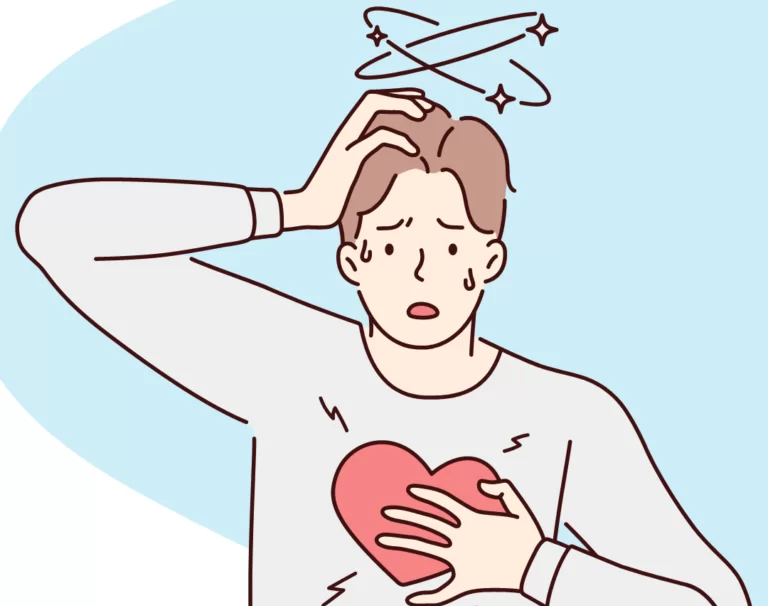
What are panic attacks?
Panic attacks are sudden episodes of intense fear or extreme discomfort, accompanied by severe physical and emotional symptoms. Typically, these episodes peak within a few minutes and can last between 5 and 30 minutes. Although they do not pose a threat to life, panic attacks are extremely distressing and can affect the quality of life of the person experiencing them.
These episodes are often associated with panic disorder but can also occur in other anxiety disorders, post-traumatic stress, or depression.
How do we recognize a panic attack?
Common symptoms of panic attacks include:
Physical:
Rapid heartbeats or palpitations.
Difficulty breathing or a feeling of choking.
Excessive sweating.
Trembling or shaking.
Dizziness or a feeling of faintness.
Chest pain or abdominal discomfort.
Psychological:
Intense fear of losing control or dying.
A sense of unreality (derealization) or detachment from oneself (depersonalization).
What triggers panic attacks?
The exact causes are not always clear, but there are certain factors that may contribute to their occurrence:
1. Biological factors: Chemical imbalances in the brain (such as low levels of serotonin or GABA).
2. Genetic factors: A family predisposition to anxiety disorders.
3. Stress: Traumatic events, recent losses, or chronic stress can be strong triggers.
4. External factors: Excessive consumption of caffeine, alcohol, drugs, or lack of sleep.
Strategies for managing panic attacks
1. Quick calming techniques
Deep breathing: Inhale slowly through your nose for 4 seconds, hold the breath for 4 seconds, and exhale through your mouth for 6 seconds. This type of breathing reduces the hyperactivity of the nervous system.
Grounding in the present: Focus on something concrete around you—an object, a texture, or a color—to counteract the feeling of losing control.
Progressive muscle relaxation: Tense and relax muscle groups to release accumulated tension.
2. Lifestyle adjustments
Engage in regular physical exercise, which helps reduce cortisol levels (the stress hormone).
Avoid caffeine and other stimulants that can exacerbate anxiety symptoms.
Ensure quality sleep.
3. Psychological support
Cognitive-behavioral therapy (CBT) is considered the most effective method for learning to recognize and manage the thoughts that trigger panic attacks.
Mindfulness techniques can help reduce general anxiety.
Natural remedies that may help
In parallel with traditional therapy, certain natural products can support the body and mind in combating anxiety:
1. Calming teas
Chamomile tea: Contains compounds that help with relaxation and reduce nervous tension. Drink a cup of chamomile tea before bedtime.
Linden tea: Known for its calming properties, linden helps reduce stress and improve sleep.
Lavender tea: Lavender has anxiolytic effects, reducing feelings of agitation.
2. Essential oils
Lavender essential oil: Can be used in a diffuser or applied to the skin (diluted with a carrier oil). It is known for its calming effect.
Bergamot essential oil: Has antidepressant effects and can reduce anxiety symptoms.
3. Natural supplements
Magnesium: Helps relax muscles and calm the nervous system. Found in foods like spinach, almonds, and pumpkin seeds or in supplement form.
Ashwagandha: An adaptogenic herb that reduces stress levels and improves well-being.
Valerian: Valerian root is commonly used to reduce anxiety and improve sleep quality.
Natural recipes for calming
1. Calming magnesium smoothie
Ingredients:
1 banana.
1 tablespoon of almond butter.
200 ml almond or oat milk.
1 tablespoon of raw cocoa (rich in magnesium).
Preparation:
Blend all the ingredients together and consume the smoothie in the morning or as a snack during tense moments.
2. Lavender and lemon-infused water
Ingredients:
1 liter of water.
1 tablespoon of dried lavender flowers.
Slices of lemon and fresh mint.
Preparation:
Place the lavender flowers in a tea bag, add them to the water along with the lemon and mint, and let it steep in the fridge for a few hours. Consume it throughout the day.
3. Relaxing bath with Epsom salt and essential oils
Ingredients:
1 cup of Epsom salt.
10 drops of lavender essential oil.
5 drops of ylang-ylang essential oil.
Preparation:
Add the ingredients to warm bath water and relax for 20 minutes.
Conclusion
Panic attacks can be overwhelming, but with a combination of calming techniques, lifestyle adjustments, and natural remedies, they can be managed effectively. Consulting a specialist is essential for a personalized treatment plan, but natural products can provide valuable support in the recovery process.




