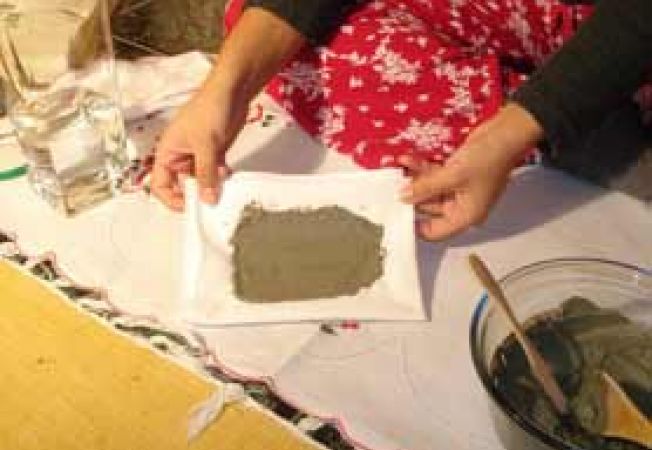
The clay poultice is a traditional treatment method used in natural medicine, known for its therapeutic properties. It is used for various purposes, from external treatments for muscle and joint pain to alleviating dermatological conditions. Clay, with its multiple forms and types, has a beneficial effect on the body due to its natural components rich in essential minerals. In this article, we will explore how to prepare it, how to use it, and what the benefits of clay poultice are.
What is clay poultice?
Clay poultice is a natural paste applied to the skin, made from powdered clay mixed with water or herbal infusions. Clay is a fine mineral substance with a high capacity to absorb impurities, toxins, and excess water from tissues. Applying this paste to the skin helps alleviate various types of inflammation, pain, and other health issues due to its therapeutic properties.
Types of clay used in poultices
There are several types of clay, each having a specific role in external treatments. The most commonly used are:
1. Green clay: This is the most commonly used in poultices. It has anti-inflammatory, detoxifying, and analgesic effects. It is ideal for skin conditions, inflammation, and muscle or joint pain.
2. White clay: This is milder and is often used for sensitive skin or for dermatological treatments, such as acne or irritations. It is also recommended for internal conditions due to its purifying properties.
3. Blue clay: This clay is less commonly used but has strong effects on cellular regeneration and blood circulation. It is often used in skin rejuvenation treatments.
4. Red clay: This type of clay is rich in iron oxides and is primarily used to stimulate blood circulation and for dry or sensitive skin.
Benefits of Clay Poultice
1. Detoxification and elimination of toxins
Clay has a remarkable ability to attract toxins from the body, and by applying it to the skin, it helps purify it. It is particularly effective in eliminating harmful substances and excess water from tissues, facilitating cellular regeneration processes.
2. Soothing inflammation and pain
One of the most important applications of clay poultice is alleviating pain caused by inflammation, such as joint (arthritis, rheumatism) or muscle (back pain, sprains) pain. Green clay, in particular, has analgesic and anti-inflammatory properties that help reduce swelling and pain.
3. Treatment of dermatological conditions
Clay poultices are particularly effective for treating acne, eczema, psoriasis, and other skin conditions. Clay helps cleanse pores, reduce inflammation, and promote cellular regeneration, having a soothing effect on irritated skin.
4. Stimulating blood circulation
Applying clay poultice to the skin improves blood flow in the affected area. This accelerates the healing process of injuries and can be helpful in treating varicose veins or cellulite.
5. Improving skin appearance
Clay can help revitalize the skin, having a hydrating and toning effect. Additionally, it stimulates collagen production, leading to firmer and more elastic skin.
How to prepare and apply clay poultice
Ingredients:
Clay powder (the type of clay will depend on the condition being treated)
Clean water, preferably spring water or herbal infusions (such as chamomile, lavender, etc.)
A clean cloth or gauze
A glass or ceramic bowl (to avoid reactions with metals)
Steps for preparation:
1. Mixing the clay: Place 2-3 tablespoons of clay in a bowl and gradually add water, mixing continuously until you obtain a homogeneous and thick paste. If you want a finer texture, add water in small amounts to control the consistency.
2. Letting the paste hydrate: After obtaining the paste, let it sit for 10-15 minutes for the clay to absorb the water and activate its properties.
3. Applying to the skin: Spread the clay paste on a piece of gauze or clean cloth. Apply this mixture to the affected area, ensuring that the entire surface is covered.
4. Securing the poultice: If necessary, secure the poultice with a bandage or a piece of material to maintain compression on the skin.
5. Application time: Leave the poultice to act for 20 to 30 minutes. Do not let the clay dry completely on the skin, as this can cause irritation.
How to remove it:
After the application time, remove the poultice with warm water. It is recommended not to use soap or other aggressive cleaning products to avoid irritating the skin.
Frequency and duration of treatment
The frequency of applying clay poultice depends on the severity of the condition and the type of treatment desired. In general:
For acute conditions (inflammation, muscle pain): Application can be done once a day for 2-3 days.
For chronic conditions (arthritis, rheumatism): Apply the poultice 2-3 times a week until symptoms improve.
For skin care (acne, eczema): 1-2 times a week, depending on the skin’s needs.
Precautions and Contraindications
Although clay poultice is considered safe, there are some precautions to keep in mind:
Sensitive skin: It is recommended to test the clay on a small area of skin first to prevent irritation.
Open wounds: Do not apply the poultice on deep or infected wounds without consulting a specialist.
Pregnant women: Consult a doctor before using clay poultices during pregnancy, especially for internal conditions.
Other conditions: If you have serious illnesses or dermatological conditions, seek the advice of a specialist before use.
Conclusion
Clay poultice represents a natural, effective, and accessible treatment method for a wide range of conditions, from joint and muscle pain to dermatological issues. Its benefits are supported by centuries of use and scientific research confirming the therapeutic properties of clay. When applied correctly and regularly, clay poultice can bring significant relief.




