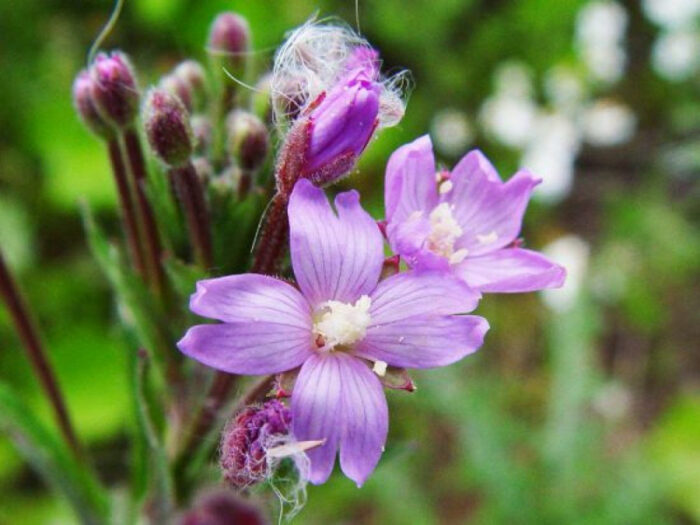
Small flowered willowherb, scientifically known as Epilobium parviflorum, is a perennial plant from the Onagraceae family, renowned in traditional medicine for its beneficial effects on health, especially in conditions related to the prostate and urinary tract.
Native to Europe, Asia, and North America, this plant grows spontaneously in moist meadows, near rivers and lakes, as well as along roadsides or forest edges. Its delicate flowers, pale pink or white in color, may go unnoticed, but the therapeutic effects of this plant have attracted the attention of herbalists for centuries.
Small flowered willowherb is a perennial plant, reaching a height of approximately 20-80 cm, with lanceolate leaves and small flowers, usually pale pink, arranged at the top of the stem. The plant prefers moist and cool areas and is abundantly found in the forests and wetlands of temperate regions. It is often confused with other species of willowherb, which is why correct identification is important for medicinal use.
Chemical Composition
Willowherb contains a series of bioactive substances with beneficial effects on health, including flavonoids (kaempferol, quercetin), tannins, mucilages, and phytosterols. These confer antioxidant, anti-inflammatory, and astringent properties, which is why it is used in the treatment of a variety of conditions. In particular, the plant is renowned for its beneficial effects on the male urinary and reproductive systems.
Benefits and Traditional Uses
1. Prostate Conditions
Small flowered willowherb is recognized for its effectiveness in treating and preventing prostate conditions, such as benign prostatic hyperplasia. Consuming willowherb tea can reduce symptoms associated with prostate hypertrophy, such as the frequent need to urinate and the feeling of incomplete bladder emptying. Due to its content of phytosterols, willowherb helps reduce prostate inflammation and improve its function.
2. Urinary Tract Conditions
In addition to its beneficial effects on the prostate, willowherb is often used in natural treatments for urinary tract infections, such as cystitis and urethritis. The tannins and mucilages present in the plant help soothe and heal irritated tissues, reducing inflammation and pain associated with urinary infections. Regular consumption of willowherb tea can have a mild diuretic effect, aiding in the elimination of toxins and bacteria from the urinary system.
3. Antioxidant and Anti-inflammatory Effects
The flavonoids and other antioxidants in willowherb combat oxidative stress and prevent cellular degradation. These antioxidant and anti-inflammatory properties contribute to reducing the risk of chronic diseases and can help maintain overall health. Its anti-inflammatory properties also make it effective in alleviating mild inflammatory conditions of the digestive system.
4. Skin Benefits
In the form of an infusion applied externally, willowherb can be used to treat skin irritations, eczema, and other dermatological conditions. The tannins present in the plant have astringent properties, helping to soothe irritations and accelerate the healing process of affected skin.
Preparation and Administration
Willowherb is most commonly used in the form of tea, prepared from the dried leaves and flowers of the plant. Here is a simple recipe for preparing willowherb tea:
Ingredients: one tablespoon of dried willowherb per cup (200 ml) of hot water.
Preparation: Place the willowherb in a cup and pour hot water over it. Let it steep for 10-15 minutes.
Administration: The tea is usually consumed twice a day, in the morning and evening, especially for its effects on the prostate and urinary system.
Note: It is recommended to consult a doctor or herbalist before starting treatment with willowherb, especially if you suffer from chronic conditions or are undergoing medication.
Contraindications and Precautions
Willowherb is generally safe for most people when consumed in moderate amounts as tea. However, it is advisable for pregnant or breastfeeding women to avoid consuming willowherb, as its effects in such situations are not well studied. Additionally, individuals with sensitivity to plants from the Onagraceae family should exercise caution.




