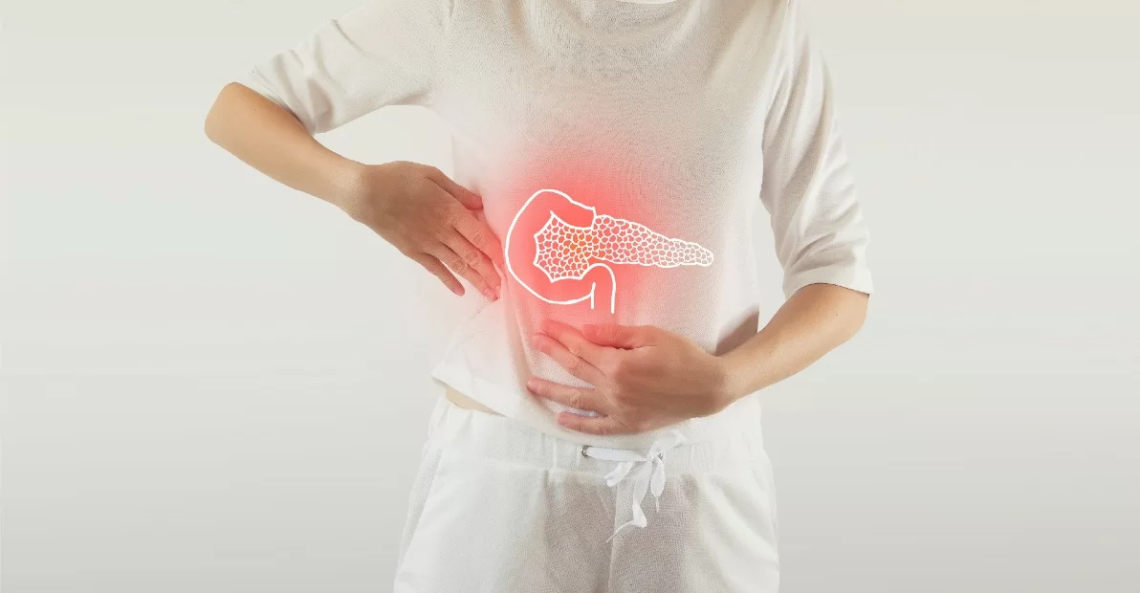
The pancreas is an important organ with a dual role in the body: it decisively aids the digestion process and supports the hormonal balance provided by the endocrine system. Thus, it plays a significant role in producing enzymes that help the body digest the consumed food.
Doctors draw attention to the fact that in the last 10 years, the diagnosis of pancreatitis has been established three times more often, especially in individuals aged between 30 and 40 years.
Why does pancreatitis occur?
The main reason for the sudden increase in cases of pancreatitis is an unbalanced diet, with an emphasis on foods high in carbohydrates and fats, especially fast food. Therefore, diet plays a key role in preventing pancreatitis, a disease that can manifest in both acute and chronic forms.
Abdominal heaviness, nausea, irregular stools, bloating, pain in the upper abdomen and right hypochondrium are symptoms of pancreatitis. However, a correct lifestyle and timely treatment can stop the irreversible processes of the gland.
In establishing the diagnosis, determining the content of pancreatic enzymes in the blood is of key importance. In pancreatitis, the level of the enzyme amylase significantly increases.
Among seasonal fruits, pears are considered a balm for the pancreas, having an essential role in stimulating intestinal activity. Gastroenterologist Alla Gubina shares recommendations for adequate nutrition in pancreatitis.
According to her, the foods consumed should be rich in nutrients and fiber. Therefore, it is recommended to include ripe fruits in the diet, such as not overly sweet varieties of pears.
Stimulates intestinal motility
In turn, the fibers in pears stimulate intestinal motility. Additionally, as Dr. Gubina notes, pears lower cholesterol levels. Pears are also beneficial due to their antibacterial properties. Due to the high content of potassium and arbutin found in pears, this fruit helps in cases of urinary tract infections and pancreatic diseases.
Helps with weight loss
Pears contain a large amount of fiber, which aids in the proper functioning of the digestive tract; vitamin C, which improves vascular elasticity; fructose, which supports pancreatic function; essential oils that combat infections and strengthen the immune system; B vitamins, as well as folic acid, iodine, zinc, potassium, and other trace elements, are also part of this fruit.
Moreover, pears are quite low in calories and contain less sugar than apples, making them often recommended for various types of diets.
Since the skin of pears contains a large amount of fiber, it is best to consume this fruit with the skin on. At the same time, pears can be processed thermally, as they retain all their properties in any form: dried, baked, or frozen.
Relieves constipation
The high fiber content in the fruit lowers cholesterol and can help treat diabetes and obesity. Additionally, fibers can help alleviate constipation. In a 4-week study, 80 adults with this condition were given 24 grams of pectin, a fiber found in fruits, per day. They experienced relief and increased levels of beneficial intestinal bacteria, says the specialist.
The essential oils contained in pears help combat depression. The plant fibers in this fruit aid in the release of bile from the body, which is why it is recommended for individuals with liver conditions to consume pears. Pears contain the natural antibiotic arbutin, so pear decoctions can help reduce fever.




