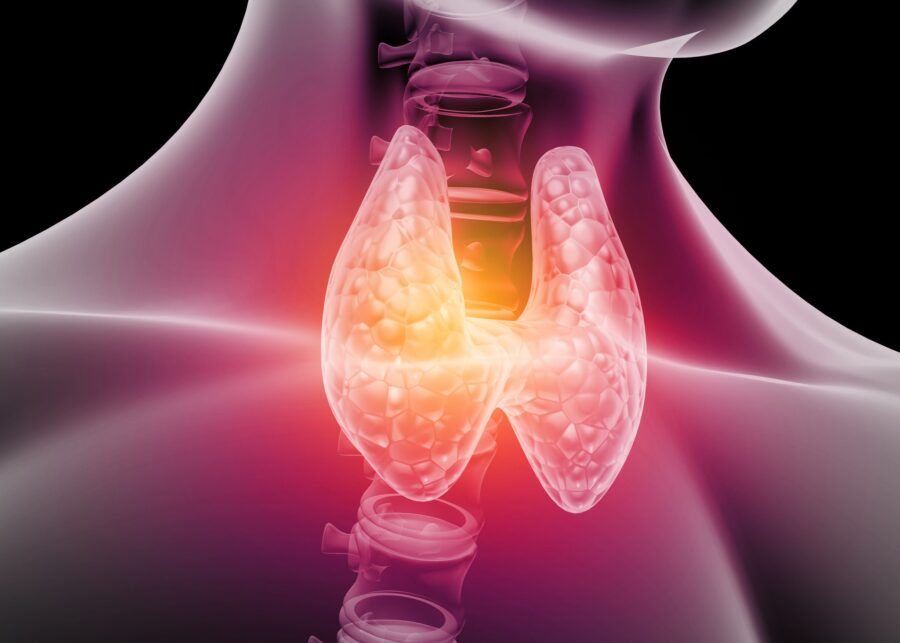
Regulating thyroid function is essential for overall health, metabolism, and weight control. A malfunctioning thyroid gland can affect energy levels, digestion, body temperature, mood, and even fertility. While conventional treatments are vital in many cases, some medicinal plants have proven useful in supporting thyroid function. Among them, a tea with remarkable effects is that made from lemon balm (Melissa officinalis), sometimes combined with mint and nettle, for a synergistic effect on metabolism and overall well-being.
Recommended Ingredients for the Tea:
-
1 tablespoon of dried lemon balm
-
1 tablespoon of nettle leaves
-
1 tablespoon of mint leaves (optional)
-
250 ml boiling water
Preparation Method:
Pour boiling water over the mixture of herbs. Let it steep for 10-15 minutes, then strain.
Recommended Administration:
In the morning, at 7:00 AM (for regulating metabolism)
In the afternoon, at 2:00 PM (to support hormonal balance)
In the evening, at 9:00 PM (to calm the nervous system and prepare for sleep)
Detailed Benefits of the Tea
1. Regulates Thyroid Function
Lemon balm contains compounds with a calming effect on the nervous system, as well as substances that influence thyroid activity, especially in cases of mild hyperthyroidism. Studies have shown that lemon balm extracts can inhibit the binding of TSH (thyroid-stimulating hormone) to its receptors, thereby reducing gland activity in cases of hyperfunction. This effect can lead to a gradual regulation of symptoms such as agitation, excessive sweating, insomnia, or palpitations.
2. Supports Weight Balance
Body weight is directly influenced by basal metabolism, which is controlled by the thyroid. If the gland does not function optimally, sudden weight gain or loss can occur. The tea made from lemon balm and nettle can help balance metabolic function, thus reducing unexplained weight fluctuations. Nettle also has a mild diuretic and detoxifying effect, supporting the elimination of excess water and toxins that can affect endocrine functions.
3. Reduces Thyroid Inflammation
Some thyroid conditions have an autoimmune component, such as Hashimoto’s thyroiditis. Lemon balm, rich in antioxidants (rosmarinic acid, flavonoids), can reduce chronic inflammation and oxidative stress at the thyroid tissue level. This may slow disease progression and alleviate associated symptoms (fatigue, depression, weight gain).
4. Calms Anxiety and Supports Sleep
Thyroid disorders, especially in hyperthyroidism, can lead to feelings of unease, anxiety, and insomnia. Lemon balm has proven anxiolytic and sedative effects by acting on GABA receptors. These properties help regulate circadian rhythms and promote restful sleep, which positively influences thyroid hormones.
5. Improves Digestion and Intestinal Transit
People with hypothyroidism often suffer from constipation or slow digestion. Mint and nettle, included in this tea, support liver function and digestive secretions, stimulating peristalsis and regular elimination. By regulating digestion, the accumulation of toxins that can influence the body’s autoimmune response is avoided.
Relevant Studies and Research
A study published in Phytomedicine (2010) analyzed the potential of lemon balm to inhibit thyroid hormones in patients with induced hyperthyroidism. The results showed that lemon balm extract significantly reduced T3 and T4 levels without affecting other hormonal functions, suggesting a targeted effect on the thyroid.
In another study from the Journal of Endocrinological Investigation (2015), it was highlighted that oxidative stress is an important factor in autoimmune thyroid dysfunctions. Lemon balm, rich in antioxidants, could counteract this stress, supporting cellular regeneration and normal thyroid function.
Researchers from the University of Tehran investigated in 2018 the effects of Melissa officinalis extract on anxiety and sleep disturbances among patients with endocrine disorders. After 8 weeks, patients who consumed tea or standardized extract reported a significant improvement in sleep quality and a reduction in palpitations and feelings of agitation.
A study in the Iranian Journal of Medical Sciences (2019) showed that infusions of nettle have the capacity to support metabolism and reduce body weight among patients with hypothyroidism, due to their mild diuretic and detoxifying effect.
A systematic review published in Frontiers in Pharmacology (2021) analyzed 37 studies on Melissa officinalis and its effects on the nervous and endocrine systems. The authors concluded that the plant has therapeutic potential in diseases associated with hormonal imbalances, due to bioactive compounds that influence hormonal receptors and neurotransmitters.
Contraindications
-
Not recommended in cases of severe hypothyroidism without treatment, as lemon balm may further reduce thyroid activity.
-
Contraindicated in pregnancy and breastfeeding due to possible hormonal effects.
-
May interact with thyroid medications, antidepressants, and sedatives, enhancing their effects.
-
Individuals with low blood pressure or bradycardia should consult a doctor before consumption.
-
Prolonged consumption for more than 6 weeks without a break of 1-2 weeks is not recommended.




