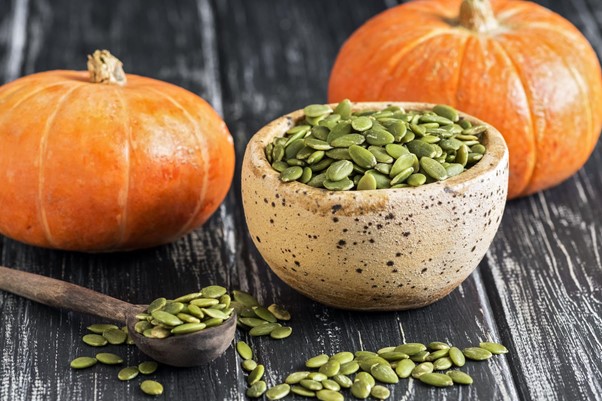
Pumpkin seeds are a popular snack, especially in the fall, and they offer many more benefits than just seasonal flavor. Regular consumption of these small but powerful seeds brings a variety of health benefits, from supporting heart health to improving digestion.
Health Benefits of Pumpkin Seeds
Pumpkin seeds contain lignans, compounds that reduce inflammation and act as powerful antioxidants. They help lower the risk of cancer by blocking blood vessels that nourish tumors and slowing their growth. According to dietitian Pam Hartnett, the lignans in pumpkin seeds can support the body in fighting inflammation and chronic diseases.
Pumpkin seeds are a versatile snack that can help improve heart health and maintain balanced blood sugar levels. They are low in saturated fats and rich in plant-based proteins, making them an ideal choice for a healthy diet. They also contain magnesium, an essential mineral for regulating blood pressure, according to the American Heart Association.
Pumpkin seeds are a good source of zinc, which can help shorten the duration of a cold and maintain a strong immune system. The proteins and magnesium in the seeds support energy levels and boost immunity, providing a healthy source of energy for the whole family.
If you want to sleep better, a handful of pumpkin seeds before bed might be the natural solution you need. They are an excellent source of tryptophan, an amino acid that contributes to the production of serotonin and melatonin, two hormones involved in regulating sleep.
Pumpkin seeds are an excellent choice for male reproductive health due to their zinc content, which plays an essential role in sperm motility and can support prostate health. Additionally, zinc may help increase testosterone levels.
Due to their fiber content, pumpkin seeds contribute to maintaining a healthy digestive system, promoting regular bowel movements and preventing constipation. The magnesium in the seeds acts as a natural laxative, drawing water into the digestive tract to keep stools soft and relaxing intestinal muscles.
Nutritional Value of Pumpkin Seeds
One ounce of shelled pumpkin seeds (approximately 28 grams) contains the following, according to the USDA:
Pumpkin seeds are nutrient-dense, providing a surprising amount of protein, healthy fats for the heart, and fiber. They are particularly rich in magnesium, which supports muscle function and heart health, and contain iron, essential for transporting oxygen in the blood.
Are Pumpkin Seeds Safe for Everyone?
Pumpkin seeds are generally safe for most people, but there are some precautions to consider based on health history:
Irritable Bowel Syndrome (IBS): Individuals with predominantly diarrhea-predominant IBS may experience gastrointestinal discomfort, such as bloating or gas, if consuming large amounts due to their fiber and magnesium content.
Diverticulitis: Those experiencing a diverticulitis flare-up may want to avoid seeds, as they can irritate the intestine.
Tips for Enjoying Pumpkin Seeds
1. Sprinkle them on salads Pumpkin seeds make a healthy and crunchy topping for salads. Try them in combination with roasted pumpkin salad, kale, and goat cheese.
2. Add them to smoothies Toss pumpkin seeds into your morning smoothie for an extra boost of protein, fiber, and magnesium.
3. Try them in soups Whether it’s a spiced pumpkin soup or a pumpkin curry soup with crispy halloumi, seeds can add texture and consistency.
4. Use them as a crunchy topping Pumpkin seeds are a nutritious and tasty topping for yogurt or oatmeal. Try them in combination with raspberry yogurt or in an overnight oats recipe.
5. Roast them with spices Roast pumpkin seeds with your favorite spices for a savory and crunchy snack. You can also try the salted and vinegar version or Everything Bagel seasoning.




