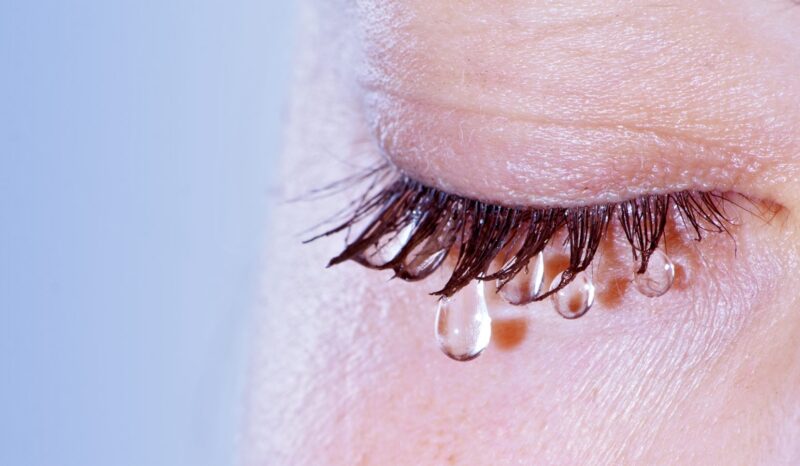
Excessive tearing, medically known as epiphora, can be a bothersome condition that affects the quality of life. This issue arises when the eyes produce too many tears or when the tear drainage system does not function properly. Natural treatments can provide effective and gentle relief for many cases of excessive tearing.
Among the most effective remedies are warm compresses, herbal teas, cucumber slices, rose water, and cold milk compresses. These natural methods can help reduce irritation, soothe inflammation, and improve the function of the tear glands. It is important to identify the cause of excessive tearing and consult an ophthalmologist if symptoms persist or worsen.
Excessive tearing can be caused by a variety of factors. Understanding these causes is essential for effectively addressing the problem and choosing the appropriate treatment.
Allergies: Allergic reactions can cause eye irritation and excessive tear production. Common allergens include pollen, dust, pet dander, and mold. When the eyes come into contact with these substances, the immune system reacts, leading to the release of histamines and other chemicals that cause inflammation and tearing.
Dry Eye Syndrome: Paradoxically, dry eyes can lead to excessive tearing. When the eyes do not produce enough quality tears to maintain adequate lubrication, they may react by producing an excess of reflex tears. However, these tears do not have the right composition to effectively hydrate the eyes, leading to a cycle of dryness and tearing.
Environmental Irritants: Exposure to smoke, wind, dust, or chemicals can irritate the eyes and stimulate excessive tear production. These substances can disrupt the natural tear film, causing discomfort and tearing as a protective and cleansing mechanism for the eyes.
Blocked Tear Ducts: Obstruction of the ducts that drain tears can lead to their accumulation and excessive tearing. Blockages can be caused by infections, inflammation, or structural abnormalities of the tear drainage system.
Eye Strain: Prolonged use of digital devices, extended reading, or other activities that put intense strain on the eyes can lead to eye fatigue. This can cause discomfort and excessive tearing as a response to visual stress.
Natural treatments can provide effective and gentle relief for many cases of excessive tearing. These remedies are often easy to apply at home and can help reduce the discomfort associated with tearing.
Applying a warm compress to the eyes can help unblock the Meibomian glands, which produce the oily component of tears. This improves the quality of the tear film and can reduce excessive tearing. To prepare a warm compress, soak a clean towel in warm water, wring out the excess water, and apply it to closed eyes for 5-10 minutes. This process can be repeated 2-3 times a day.
Tea contains tannins and other compounds with anti-inflammatory and astringent properties. Used and cooled tea bags can be applied to the eyes to reduce inflammation and soothe irritation. Chamomile tea or green tea are excellent options due to their calming properties. Let the tea bags cool in the refrigerator before applying them to the eyes for 10-15 minutes.
Cucumbers contain antioxidants and have anti-inflammatory properties that can help reduce swelling and soothe irritated eyes. Cold cucumber slices applied to the eyes can provide a refreshing sensation and help reduce excessive tearing. Thin slices of cold cucumber should be cut and applied to closed eyes for 10-15 minutes.
Rose water has anti-inflammatory and astringent properties that can help soothe irritated eyes and reduce excessive tearing. Pure rose water can be applied to the eyelids using a clean cotton pad or a few drops can be added to a cold compress. This treatment can be applied 2-3 times a day for optimal results.
Milk contains proteins and fats that can help soothe eye irritation and reduce inflammation. Cold milk compresses can provide quick relief from discomfort associated with excessive tearing. Soak a clean cotton pad in cold milk and apply it to closed eyes for 10-15 minutes. This treatment can be repeated 2-3 times a day as needed.
Euphrasia (Eyebright): This medicinal plant, known as euphrasia, has traditionally been used to treat various eye conditions, including excessive tearing. Euphrasia contains compounds with anti-inflammatory and astringent properties that can help reduce irritation and tear secretion. It can be used in the form of an infusion for eye compresses or as eye drops made from euphrasia extract. Regular application can contribute to symptom relief and improve eye comfort.
Chamomile: Chamomile is recognized for its anti-inflammatory and soothing properties, making it beneficial in treating irritated eyes and excessive tearing. Compresses made with chamomile infusion can reduce inflammation and relax the eye muscles, thereby decreasing excessive tear production. Applying these compresses 2-3 times a day can provide significant symptom relief. Additionally, chamomile can be consumed as tea to support eye health from within.
Fennel Seeds: Fennel is known for its anti-inflammatory and antioxidant properties, which can be beneficial in treating excessive tearing. An infusion made from fennel seeds can be used for eye compresses, helping to reduce irritation and inflammation. Regular consumption of fennel tea can also contribute to overall eye health, supporting the optimal functioning of the tear glands and reducing the risk of eye infections.
Lifestyle Changes to Reduce Eye Tearing
Adopting lifestyle changes can play a crucial role in managing and reducing excessive tearing of the eyes. These simple yet effective modifications can significantly improve eye comfort and quality of life by addressing the underlying causes of the problem.
Using a Humidifier: Dry air can exacerbate dry eye symptoms and, paradoxically, lead to excessive tearing as a compensatory mechanism. A humidifier adds moisture to the air in living spaces, helping to maintain the natural hydration of the eyes. This can reduce eye irritation and the need for excessive tear production. It is recommended to use a humidifier, especially in the bedroom at night or in workspaces where time is spent.
Regular Blinking Exercises: Frequent and conscious blinking is essential for maintaining eye health and preventing excessive tearing. These exercises help evenly distribute the tear film across the surface of the eye, preventing dryness and irritation. An effective technique is the 20-20-20 rule: every 20 minutes, look at an object 20 feet away for 20 seconds. This exercise reduces eye strain and stimulates natural tear production.
Identifying and Avoiding Allergens: Allergens in the surrounding environment can be a frequent cause of eye irritation and excessive tearing. Identifying and avoiding these substances can significantly reduce symptoms. Common allergens include pollen, dust, pet dander, and mold. It is recommended to maintain a clean environment, use air filters, and avoid exposure to known allergens. During periods of high pollen concentrations, wearing sunglasses can help protect the eyes.
Eye Massage Techniques: Gentle massage of the eye area can stimulate tear drainage and improve local blood circulation, thereby reducing excessive tearing. An effective technique involves gently massaging the closed eyelids in small circular motions using the fingertips. This massage should be performed gently for 30 seconds, 2-3 times a day. It is important to ensure that hands are clean before performing the massage to prevent introducing bacteria into the eyes.
Proper Eye Hygiene: Maintaining proper eye hygiene is essential for preventing irritations and infections that can lead to excessive tearing. This includes regularly washing the face and the area around the eyes with warm water and a gentle cleansing product. It is important to avoid rubbing the eyes, which can introduce bacteria and irritate delicate tissues. Using warm compresses can help clear the Meibomian glands, improving the quality of the tear film and reducing the risk of dry eyes and excessive tearing.
Diet plays a crucial role in maintaining eye health and can significantly influence tear production and quality. A balanced diet rich in specific nutrients can help reduce symptoms of excessive tearing and improve overall eye comfort.
Foods Rich in Omega-3 Fatty Acids: Omega-3 fatty acids are essential for eye health, helping to maintain eye hydration and reduce inflammation. These fatty acids contribute to the production of quality tear film, thus preventing dry eyes and compensatory excessive tearing. Excellent sources of omega-3 include fatty fish (salmon, mackerel, sardines), flaxseeds, chia seeds, and walnuts. Regular consumption of these foods can significantly improve tear quality and reduce symptoms of eye discomfort.
Proper Hydration: Maintaining an adequate level of hydration is crucial for eye health and can prevent excessive tearing caused by dry eyes. Drinking enough water helps maintain the body’s fluid balance, including in the eyes. It is recommended to drink at least 8 glasses of water a day, and this amount may increase depending on physical activity levels and climatic conditions. Avoiding beverages that can dehydrate, such as excessive coffee and alcohol, can also contribute to maintaining optimal eye hydration.
Foods Rich in Vitamin A: Vitamin A plays a crucial role in maintaining eye health and preventing excessive tearing. This vitamin is essential for producing quality tears and maintaining the integrity of the eye surface. Foods rich in vitamin A include carrots, spinach, sweet potatoes, liver, eggs, and milk. Regular consumption of these foods can significantly improve the function of the tear glands and reduce symptoms of dry eyes, which often lead to compensatory excessive tearing.
Foods Rich in Antioxidants: Antioxidants play a vital role in protecting the eyes against oxidative stress and inflammation, factors that can contribute to excessive tearing. Berries, such as blueberries and blackberries, are excellent sources of antioxidants. Other foods rich in these beneficial substances include nuts, sunflower seeds, pomegranates, and green tea. Regular consumption of these foods can help reduce eye inflammation and improve overall eye health, thereby contributing to alleviating excessive tearing issues.
Essential oils offer a natural and gentle approach to treating excessive tearing of the eyes. These concentrated plant extracts possess anti-inflammatory, soothing, and antiseptic properties that can address the underlying causes of the problem and provide symptomatic relief.
Lavender Oil: Lavender oil is renowned for its calming and anti-inflammatory properties, making it particularly effective in reducing eye irritation and excessive tearing. This oil can be used by adding a few drops to an aromatherapy diffuser or diluting it in a carrier oil for local application around the eyes. Lavender helps relax the eye muscles, reducing tension that can contribute to excessive tear production. Additionally, its antiseptic properties can help prevent minor eye infections.
Tea Tree Oil: Tea tree oil is known for its powerful antibacterial and antifungal properties, being useful in treating eye infections that can cause excessive tearing. This oil should be used with caution and always properly diluted. A drop of tea tree oil can be added to a teaspoon of carrier oil and gently applied around the eyes, avoiding direct contact with the eyes. Tea tree oil can help reduce inflammation and combat pathogens that may irritate the eyes.
Chamomile Oil: Chamomile oil is valued for its anti-inflammatory and soothing properties, being particularly beneficial for irritated and excessively tearing eyes. This oil can be used by adding a few drops to a warm compress applied to the eyes. Chamomile helps reduce inflammation, soothes irritation, and can improve the function of the tear glands. Additionally, its anti-allergic properties can be useful in cases where excessive tearing is caused by allergies.
Eucalyptus Oil: Eucalyptus oil is known for its decongestant and anti-inflammatory properties, being useful in treating eye problems associated with allergies or sinus congestion. This oil should not be applied directly to the skin but can be used through inhalation or added to a diffuser. Eucalyptus vapors can help open nasal passages and reduce pressure in the eye area, thereby diminishing excessive tearing. Additionally, its antiseptic properties can contribute to preventing eye infections.
While many cases of excessive tearing can be managed through natural methods and lifestyle changes, there are situations where consulting an ophthalmologist becomes necessary. Recognizing these situations is crucial for preventing complications and ensuring long-term eye health.
Persistent Symptoms: If excessive tearing persists for more than a few days despite the application of home remedies, it is advisable to consult a doctor. The persistence of symptoms may indicate a more serious underlying issue, such as a blockage of the tear duct or a chronic eye condition. A specialist can perform a comprehensive evaluation to determine the exact cause and recommend appropriate treatment, which may include specific medical procedures or prescribed medications.
Signs of Eye Infection: The presence of symptoms such as intense redness, pain, purulent discharge, or crusting around the eyes requires immediate medical attention. These signs may indicate an eye infection, which, if not treated promptly, can lead to serious complications. Eye infections often require treatment with specific antibiotics and may be associated with other eye conditions that cause excessive tearing. An ophthalmologist can accurately diagnose the type of infection and prescribe the appropriate treatment.
Changes in Vision: Any sudden or progressive change in vision, accompanied by excessive tearing, is a serious cause for concern and requires urgent medical evaluation. These changes may include blurred vision, the appearance of spots or lines in the visual field, or partial loss of vision. Such symptoms may be indicators of serious conditions, such as glaucoma, retinal detachment, or other eye problems that require immediate intervention. Prompt diagnosis and treatment are essential to prevent permanent vision loss.
Severe Pain or Discomfort: The presence of intense eye pain or severe discomfort, associated with excessive tearing, requires immediate medical attention. These symptoms may indicate a variety of issues, from acute eye injury to a serious inflammatory condition. Severe pain may be a sign of increased intraocular pressure, corneal ulcer, or other conditions that may threaten vision. In such cases, urgent ophthalmological evaluation is crucial to prevent complications and ensure appropriate treatment.




