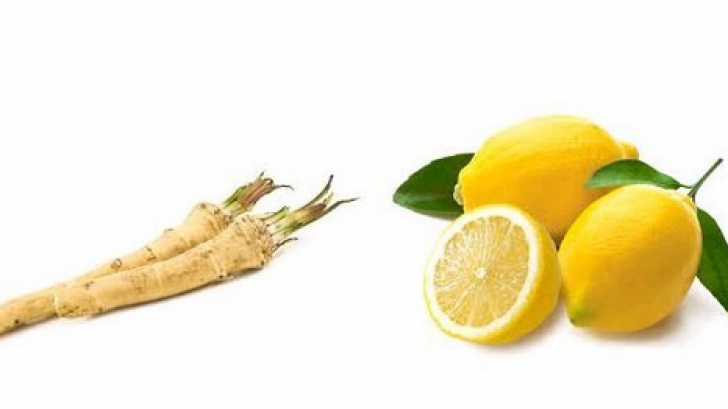
Endocrinologist and nutritionist Dr. Elena Syurakshina comments on the benefits of this spice, which contains more vitamin C than lemons.
Benefits of horseradish
Horseradish has long been used as a bactericidal and anti-inflammatory remedy for viruses and colds. It contains fiber, essential oils, phytoncides, a lot of vitamin C, as well as vitamins B1, B2, B3, B6, E, folic acid, and important minerals: potassium, calcium, magnesium, sodium, phosphorus, iron, manganese, copper, and arsenic. The concentration of vitamin C in this root is higher than in oranges and even in lemons. From this perspective, horseradish root is not inferior to blackcurrant fruit, the doctor noted.
Horseradish root contains sugars, amino acids, the bactericidal protein substance lysozyme, and organic compounds. The volatile substances, phytoncides, which horseradish is rich in, can destroy pathogenic microbes. Notably, there is the glycoside sinigrin, whose decomposition produces allyl mustard oil.
Horseradish acts on the body as a stimulant. When used moderately, it has a positive effect on the following aspects:
- appetite is improved;
- gastric juice acidity increases;
- blood sugar levels decrease;
- blood pressure decreases;
Horseradish has a diuretic and choleretic effect on the body. It is considered a natural aphrodisiac. Using horseradish as a poultice can help relieve muscle and joint pain due to its warming properties. Horseradish can help with colds and respiratory conditions, as it aids in mucus thinning and facilitates expectoration.
Important note: It is important to remember that horseradish has a quite strong taste and smell, so it should be consumed in moderation, says the specialist.
Horseradish contains antioxidants, vitamins B, C, E, and K. Trace elements such as boron, potassium, calcium, silicon, magnesium, and sodium are also abundantly found. Therefore, with its help, it is not difficult to compensate for the deficiency of these substances; the main thing is to balance the diet, not just to eat the root or leaves. Silicon increases the elasticity of blood vessels, makes hair, joints, and bones healthier, while other useful substances help with its absorption in the body.
This plant is also used to make tinctures for external application. Lotions made from this tincture disinfect cuts, dermatitis, fungal diseases, and are also applied in rheumatism. You can also use horseradish tincture to remove freckles.
When should you avoid eating horseradish?
Of course, horseradish is not absolutely healthy for everyone. You should not eat a lot of horseradish if you suffer from kidney or liver diseases, gastrointestinal issues, allergy problems, or high acidity. It should also not be consumed by children, pregnant women, or nursing mothers.
Allyl oil can sometimes be irritating; if horseradish is abused, it can cause burns to the stomach lining and gastroenteritis. Excessive external use can also cause skin burns. Remember that moderation is necessary in everything; then horseradish will only be beneficial for health, says the specialist.




