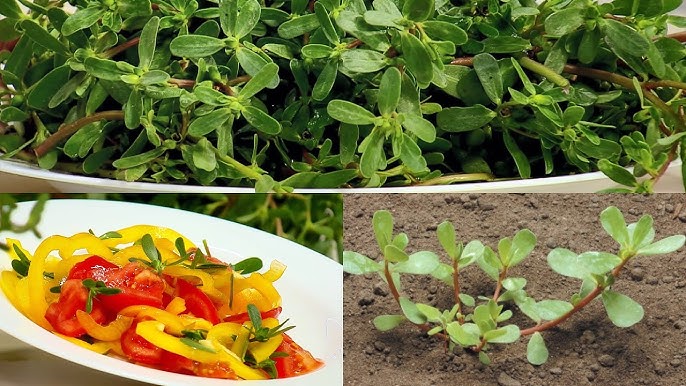
Known as purslane or stone flower, this plant is considered a miracle for health and the environment by researchers from the Buzău Genetic Resources and Plant Bank. The plant, carefully studied by Buzău researchers, has multiple nutritional and medicinal benefits, so instead of throwing it away or using it only for ornamental purposes, people should incorporate it into their diet more often.
Did you know that purslane, a plant often regarded as a weed, can actually be a valuable resource for health and the environment?, wrote the Buzău researchers on their Facebook page.
According to specialists, there are two main species, namely Portulaca oleracea (purslane) and Portulaca grandiflora (stone flower). Here are the benefits of each:
Additionally, this plant plays an important role in agriculture.
Purslane can help improve soil quality and prevent erosion. It is a plant that thrives in difficult conditions, making it an excellent choice for arid and drought-prone areas, researchers announced.
On the other hand, recent studies have shown that purslane has immense potential for food production and the rehabilitation of agricultural soils. It is a plant that, although it may seem insignificant, has much to offer both in the kitchen and in the garden.
Purslane, also known as wheatgrass, is a plant with multiple beneficial properties for the body. It is rich in vitamins, minerals, enzymes, and chlorophyll, components that contribute to detoxifying the body and supporting the immune system. The vitamins present in purslane include vitamins A, C, E, and folic acid, which play an important role in maintaining health.
One of the remarkable aspects of purslane is its strong antioxidant capacity. Studies have shown that this plant can help prevent damage caused by free radicals in the body, which can contribute to premature aging and chronic diseases. By regularly consuming purslane, the risk of cardiovascular diseases, type 2 diabetes, and other conditions associated with oxidative stress can be reduced.
Another important property of purslane is its ability to reduce inflammation in the body. Research has confirmed that this plant has anti-inflammatory effects, which can alleviate symptoms associated with inflammatory conditions such as arthritis or inflammatory bowel disease.
Since purslane contains a high amount of chlorophyll, it can also be used as a detoxifying agent. Chlorophyll has the ability to bind toxins and heavy metals in the body, aiding in their elimination. Regular consumption of purslane can support the function of the liver and kidneys, two important organs in the detoxification process.
To benefit from the properties of purslane, it can be consumed in the form of fresh juice, powder, or capsules. It is important to consult a specialist before starting consumption, as there are contraindications and possible side effects. For example, individuals with wheat allergies or celiac disease should avoid consuming purslane.
Benefits of consuming purslane
Purslane, also known as Triticum aestivum, can bring numerous health benefits. Here are some of them:
1. Purslane as a source of nutrients:
This plant is rich in vitamins, minerals, and antioxidants. It contains vitamin C, vitamin K, and vitamin A, which are essential for a strong immune system and healthy vision. Additionally, purslane is an excellent source of iron, calcium, and magnesium, which contribute to the normal functioning of the body. Chlorophyll, a green pigment present in purslane, has detoxifying and purifying properties, helping to eliminate toxins from the body.
2. Purslane and digestive health:
Consuming purslane can help improve digestive health. The fibers it contains can help regulate intestinal transit, preventing constipation. Additionally, purslane has anti-inflammatory properties that can reduce inflammation in the gastrointestinal tract, thus contributing to the health of the digestive system.
3. Purslane in supporting the immune system:
Due to its rich content of vitamins and minerals, purslane can help strengthen the immune system. The antioxidants it contains protect cells against oxidative stress and support the optimal functioning of the immune system, protecting the body against diseases and infections.
4. Purslane and cardiovascular health:
Consuming purslane can have beneficial effects on heart health. The antioxidants it contains can help reduce inflammation in the body, a risk factor for heart disease. Additionally, purslane can help lower cholesterol levels, thus contributing to cardiovascular health.
Contraindications and side effects of purslane
Although purslane has numerous health benefits, it can also cause certain contraindications and side effects in some cases. It is important to be aware of these aspects and to consult a doctor before including purslane in our diet.
1. Possible allergic reactions:
Some people may be allergic to purslane, which can lead to skin rashes, itching, sneezing, eye irritation, or other typical allergy symptoms. It is important to be attentive to these signs and to discontinue consumption of purslane if such allergic reactions occur.
2. Drug interactions:
Purslane may interact with certain medications, such as anticoagulants, altering their effect. For example, consuming purslane at the same time as anticoagulant medications may increase the risk of bleeding. It is important for individuals taking such medications to discuss with their doctor before starting to consume purslane.
3. Digestive issues:
Excessive consumption of purslane can lead to digestive problems such as bloating, gas, or even diarrhea. These symptoms may be caused by the high fiber content in purslane. To avoid such issues, it is recommended to consume purslane in moderate amounts and to ensure a balanced diet.
4. Precautions for certain groups of people:
Pregnant or breastfeeding women, as well as individuals with certain medical conditions such as diabetes or liver disorders, should consult a doctor before starting to consume purslane. In these cases, it is important to evaluate the benefits and risks associated with consuming purslane and to receive personalized medical advice.
It is important to mention that these contraindications and side effects may vary from person to person and may depend on the dose and method of consuming purslane. To ensure that we make the right decisions regarding the consumption of purslane, it is always recommended to consult with medical specialists or nutritionists.
In conclusion, purslane is a plant with many health benefits, but also with certain contraindications. Its properties include improving digestion, combating inflammation, and maintaining heart health. However, it may cause side effects in allergic individuals or those with certain medical conditions.




