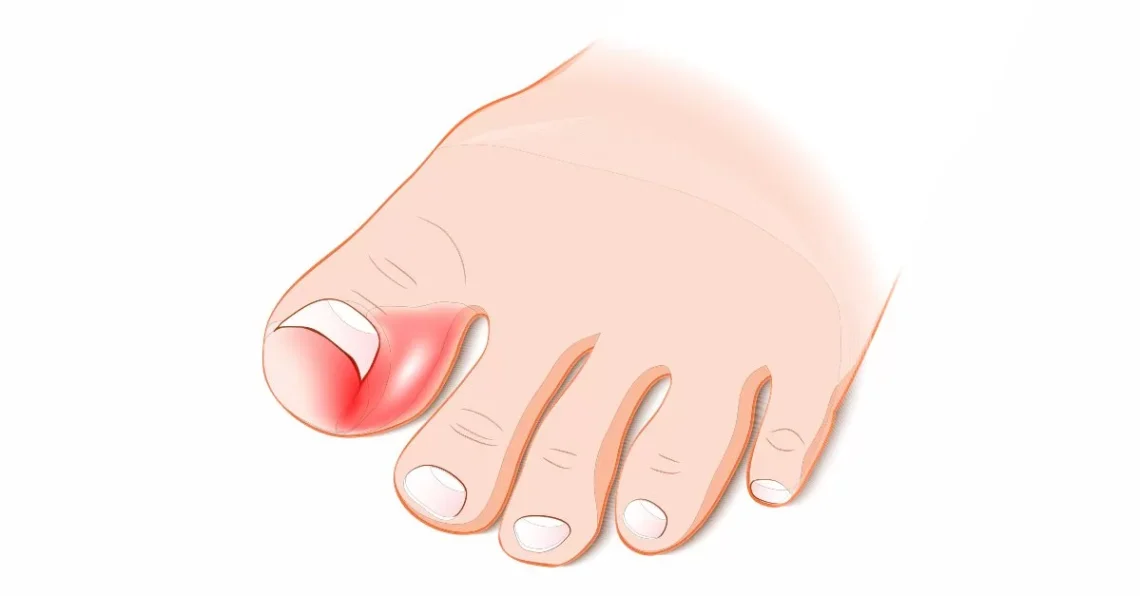
Ingrown nails are one of the most common podiatric problems and can significantly affect the quality of life. Pain, redness, and inflammation occur when the edge of the nail grows into the skin, promoting the onset of infections. In the early stages, certain natural remedies can be very helpful, reducing discomfort and accelerating healing. Below, we will present the most effective solutions, including usage methods, demonstrated benefits, and medical studies.
1. Epsom Salt Soaks
Usage Method:
-
Dissolve 2 tablespoons of Epsom salt in a basin with 1 liter of warm water.
-
Soak the affected foot for 15-20 minutes.
-
Repeat the procedure 2-3 times a day for at least 5 days.
Benefits:
Epsom salt soaks reduce inflammation and pain, soften tissues, and facilitate the detachment of the nail from the skin. The magnesium in the salt has anti-inflammatory and muscle-relaxing effects, which help reduce local pressure. Additionally, warm water stimulates circulation and speeds up the elimination of toxins from the affected area. Regular use can prevent the formation of pus collections and soothe the burning sensation specific to ingrown nails.
Study:
An article published in Journal of Foot and Ankle Research (2019) evaluated the use of Epsom salt soaks in patients with nail inflammation. The results showed a significant reduction in pain and inflammation after just 5 days of treatment. Researchers explained that magnesium ions have an osmotic effect, drawing fluids from inflamed tissues, leading to decreased swelling. It was also observed that regular soaks reduce local bacterial colonization, preventing complications. The study concluded that this simple method can be a valuable adjunct before more invasive medical treatments.
2. Tea Tree Oil
Usage Method:
-
Mix 2-3 drops of tea tree oil with 1 tablespoon of coconut oil.
-
Apply the solution to the edge of the nail and cover it with a sterile bandage.
-
Repeat twice a day for 7-10 days.
Benefits:
Tea tree oil is a powerful antimicrobial, destroying the bacteria and fungi responsible for nail infections. When applied locally, it reduces the risk of abscesses and contributes to faster healing. Additionally, it has a soothing effect on pain and unpleasant odors caused by purulent secretions. Consistent use can prevent the recurrence of ingrown nails in predisposed individuals.
Study:
In International Journal of Dermatology (2018), a study was published on the effect of tea tree oil on staphylococcal bacteria and Candida-type fungi. The results showed a significant inhibition of microbial growth, even at low concentrations. The authors emphasized that local application can be an effective alternative to topical antibiotics, especially in minor infections. Furthermore, clinical tests on patients with skin conditions confirmed the reduction of inflammation and painful symptoms. The study recommended using diluted oil to prevent irritation.
3. Chamomile Compresses
Usage Method:
-
Prepare an infusion from 1 tablespoon of chamomile flowers and 250 ml of boiling water.
-
Let it steep for 10 minutes and strain.
-
Soak a sterile compress and apply it to the affected finger for 15 minutes.
-
Repeat 2-3 times a day.
Benefits:
Chamomile has anti-inflammatory and antiseptic properties, reducing redness and swelling. When applied locally, it soothes pain and promotes tissue relaxation. The flavonoids in chamomile act as antioxidants, protecting the skin from oxidative stress and stimulating cellular regeneration. With consistent use, it prevents superinfection and accelerates the natural healing of the area.
Study:
A study published in Planta Medica (2020) demonstrated that chamomile extract has an anti-inflammatory effect comparable to that of non-steroidal medications, but without digestive side effects. The study showed that topical application of the infusion accelerates the healing of superficial wounds and significantly reduces local inflammation. Additionally, tests on animal models highlighted a decrease in pro-inflammatory cytokine levels. The researchers concluded that chamomile can be considered a safe and effective option in mild dermatological treatments.
4. Aloe Vera
Usage Method:
-
Take a leaf of aloe vera and extract the gel.
-
Apply the gel directly to the edge of the nail and cover it with plastic wrap or a bandage.
-
Let it act for 30 minutes, then rinse.
-
Repeat twice a day.
Benefits:
Aloe vera has soothing, moisturizing, and healing effects. When applied to an ingrown nail, it reduces pain and the burning sensation. Active substances such as allantoin and polysaccharides stimulate skin regeneration and reduce inflammation. Regular use prevents scarring and improves the elasticity of the skin around the nail.
Study:
In Journal of Ethnopharmacology (2021), researchers analyzed the effect of aloe vera gel on the wound healing process. The results showed a significant acceleration of re-epithelialization and a decrease in local edema. The study also confirmed the antibacterial effect against several microbial species. In conclusion, aloe vera can be considered a safe and effective remedy for minor dermatological conditions.
5. Garlic
Usage Method:
-
Crush a clove of garlic and apply the pulp directly to the inflamed area.
-
Cover it with gauze and let it act for 15-20 minutes.
-
Repeat once a day for 5 days.
Benefits:
Garlic is a natural antibiotic due to allicin, a compound with antibacterial and antifungal effects. When applied locally, it destroys pathogens and prevents infections. Additionally, it reduces inflammation and soothes pain. Regular use accelerates the healing process and prevents the formation of abscesses.
Study:
A study published in Phytotherapy Research (2017) confirmed that garlic extracts inhibit the development of bacteria and fungi involved in skin infections. In vitro tests demonstrated a similar efficacy to some synthetic antibiotics. Furthermore, the study highlighted that garlic has antioxidant and anti-inflammatory effects, reducing local oxidative stress. The authors recommended using it as an adjunct in natural treatments.
Contraindications and Precautions
-
Individuals with diabetes or peripheral circulation deficiencies should consult a doctor before applying any home treatment.
-
Tea tree oil should never be applied undiluted.
-
Garlic can cause irritation if left on the skin for too long.
-
If pus, fever, or intense pain occurs, urgent medical consultation is necessary.
Natural remedies such as Epsom salt soaks, tea tree oil, chamomile, aloe vera, and garlic can be reliable allies in treating ingrown nails. When applied correctly and consistently, they reduce inflammation, prevent infections, and accelerate healing. However, severe cases require medical evaluation.




