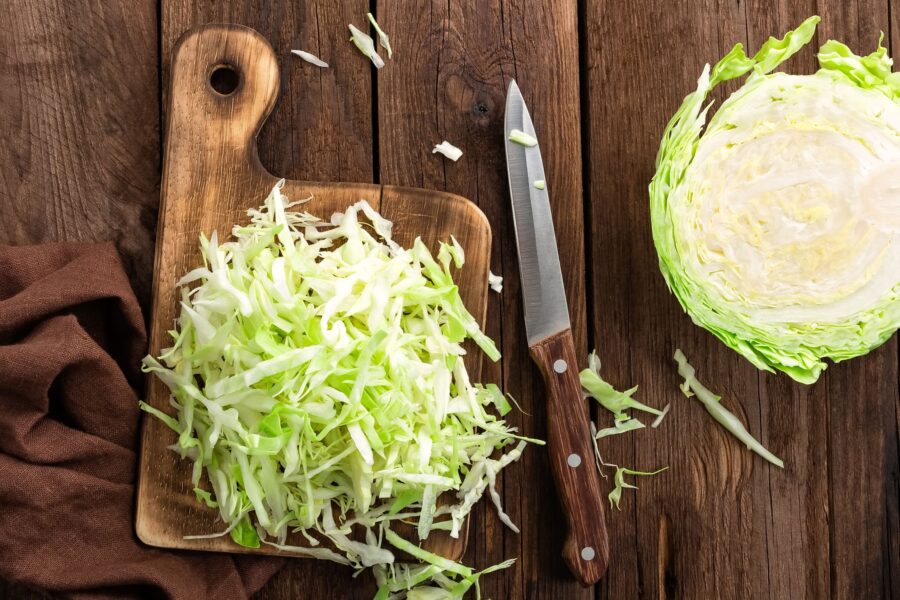
Cabbage is an extremely nutritious vegetable, rich in vitamin C, fiber, and vitamin K.
It belongs to the cruciferous vegetable family, along with kale and broccoli, for example.
Among the benefits of this vegetable are maintaining heart health and aiding digestion.
Additionally, cabbage may help protect against radiation, prevent cancer, and reduce the risk of heart disease.
What Benefits Does Cabbage Have
Many studies suggest that an increase in the consumption of plant-based foods, such as cabbage, reduces the risk of diabetes, obesity, heart disease, and overall mortality. It may also help increase energy levels and maintain a lower weight.
Protection Against Radiation Therapy
Cabbage may have a range of health benefits. A compound found in cabbage and other cruciferous vegetables known as 3,3-diindolylmethane (DIM) has been shown to increase short-term survival rates in some animal studies related to radiation. In a study conducted at Georgetown University, mice were exposed to a lethal dose of radiation. Some were left untreated, while others were treated with a daily injection of DIM for 2 weeks. All untreated mice died, but over 50% of those who received DIM survived after 30 days. Researchers observed that the mice treated with DIM had a higher number of red and white blood cells and platelets, which are often diminished by radiation therapy.
It is believed to have protective effects against cancer, but this study shows that there is hope for its use as a shield to protect healthy tissues during cancer treatment in the future.
Cancer Prevention
Another potential cancer-fighting compound found in cabbage is sulforaphane. Research over the past 30 years has consistently shown that the consumption of cruciferous vegetables is associated with a lower risk of cancer.
More recently, researchers have identified that the sulfur compound that gives cruciferous vegetables their bitter taste—sulforaphane—is also what gives them their cancer-fighting power.
Researchers are currently testing the ability of sulforaphane to delay or prevent cancer. Promising molecular-level results have been observed with several types of cancer, including melanoma, esophageal, prostate, and pancreatic cancers.
Researchers have discovered that sulforaphane has the power to inhibit the histone deacetylase (HDAC) enzyme, known for its involvement in the progression of cancer cells. The ability to stop HDAC enzymes could make foods containing sulforaphane a potentially powerful part of cancer treatment.
Another study conducted at the University of Missouri analyzed another compound found in cabbage, parsley, and celery, called apigenin; it was found to reduce tumor size when cells from an aggressive form of breast cancer were implanted in mice. Researchers claim that their findings show that apigenin has the potential to be used as a non-toxic treatment for cancer in the future.
Heart Health
A recent report in the American Journal of Clinical Nutrition associated the consumption of foods rich in flavonoids with a lower risk of death from cardiovascular diseases and stated that even small amounts of flavonoid-rich foods can be beneficial.
The high polyphenol content in cabbage may also reduce the risk of cardiovascular diseases by preventing platelet aggregation and lowering blood pressure.
Immunity and Digestion
A popular way to consume cabbage is in fermented form, such as sauerkraut. Packed with probiotics, fermented foods may be some of the best things you can consume for your immune and digestive systems. Healthy microbes create an acidic environment to preserve and develop flavor. The enzymes produced during fermentation make vitamins and minerals easier to absorb. The fiber and water content in cabbage also help prevent constipation and maintain a healthy digestive tract. Adequate fiber intake promotes regularity, which is essential for eliminating toxins through bile and feces.
Recent studies have shown that dietary fiber can even play a role in regulating the immune system and inflammation, thereby reducing the risk of inflammation-related conditions such as cardiovascular diseases, diabetes, cancer, and obesity.
How Many Calories Does Cabbage Have
75 grams of cooked cabbage contains:
17 calories
4 grams of carbohydrates
1 gram of protein
Consuming this amount of cooked cabbage would provide 30-35% of the daily requirement for vitamin C. It also provides:
81.5 micrograms of vitamin K
11 milligrams of magnesium
22 micrograms of folate
Cabbage contains antioxidants such as choline, beta-carotene, lutein, and zeaxanthin, as well as flavonoids like kaempferol, quercetin, and apigenin. Red cabbage tends to contain more of these compounds than green cabbage.
How to Consume Cabbage
Add a cabbage salad alongside a main dish such as grilled chicken, a potato dish, or a stew.
Choose a cabbage that feels heavy for its size and ensure that the leaves are tight and firm, as wilted leaves indicate an older cabbage.
Store cabbage in the refrigerator for up to two weeks. Cabbage can be eaten raw, boiled, steamed, sautéed, or stuffed.
Fresh cabbage can be finely chopped and added to salads for an extra crunch and vitamins. White cabbage, red cabbage, and Brussels sprouts are all excellent options.
Why Does Cabbage Cause Bloating
Cabbage, broccoli, kale, cauliflower, Brussels sprouts, radishes, and kohlrabi are all cruciferous vegetables that contain raffinose, a sugar that remains undigested until the bacteria in your intestines ferment it, producing gas and consequently causing bloating. However, these vegetables are very healthy. Regular consumption of nutrient-rich and fiber-rich foods can lead to a stronger and healthier digestive system that is less prone to bloating.
Therefore, you can continue to eat them, but control your portions. And if you can’t give up these vegetables, steam them: Steaming any vegetable softens the fibers and reduces the portion since some of the water evaporates, taking up less space in the gastrointestinal tract. It won’t completely eliminate or prevent bloating, but it may make the vegetables easier to digest.
However, cruciferous vegetables do not cause bloating as much as legumes: beans, lentils, or peas are foods that produce gas. They also contain sugars and fibers that our bodies cannot absorb. Therefore, when legumes reach the large intestine, the bacteria in your intestines take over and feed on them. This process leads to gas formation and bloating, making you feel uncomfortable.




