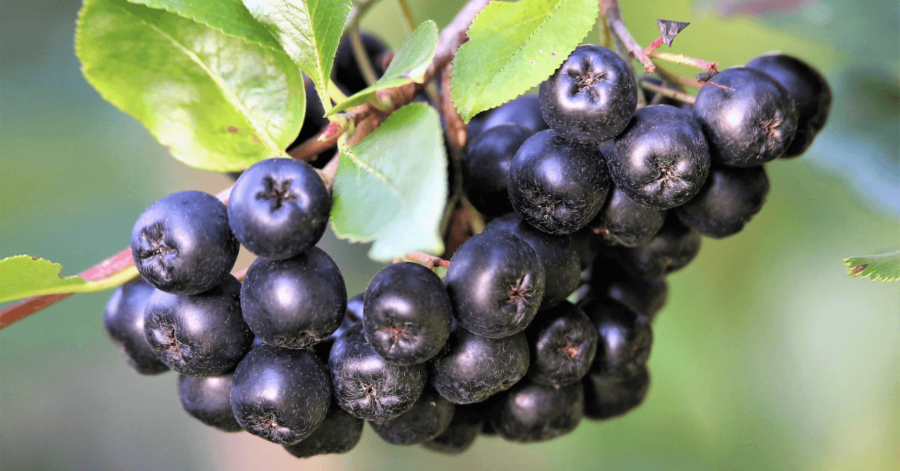
Aronia melanocarpa is a fruit rich in valuable nutrients. Although it may not be to everyone’s taste, it deserves your reconsideration and inclusion in your diet, as its health benefits are enormous.
What does aronia contain? A true deposit of vitamin C
Aronia is a fruit with an extremely distinctive taste. It does not have the sweet notes of raspberries or blueberries, as its flesh has a bitter, slightly sour taste.
There are not many fans of these flavor notes, but nonetheless, it is a fruit that deserves our attention, mainly because of how it affects our body.
It has been shown that Aronia contains important vitamins and minerals. It is particularly rich in vitamin C, as well as vitamins E and B. It also contains a lot of potassium, magnesium, calcium, iron, and zinc.
Additionally, it is an ideal fruit for preservation; juices, jams, and marmalades are a pleasant way to include this valuable ingredient in your diet.
The range of effects of this fruit, even in juice form, on our body is truly impressive. Due to its high content of vitamin C and antioxidants, it strengthens our immune system. We should drink aronia juice not only when we are already sick but also as a preventive measure, especially in autumn and winter.
Aronia is ideal not only for short-term illnesses but also for long-term diseases. Due to its anti-inflammatory and antioxidant properties, it can be used in the fight against chronic diseases.
Aronia has one of the highest antioxidant contents among fruits. It neutralizes free radicals, which can protect against heart diseases, cancer, and the aging process.
This fruit is recommended for people struggling with heart diseases. It lowers blood pressure and reduces cholesterol. Regular consumption of aronia can contribute to an overall improvement in heart health.
Aronia also has a significant effect on our vision. It contains anthocyanins that can improve retinal health. It also regulates blood sugar levels and enhances digestion.




