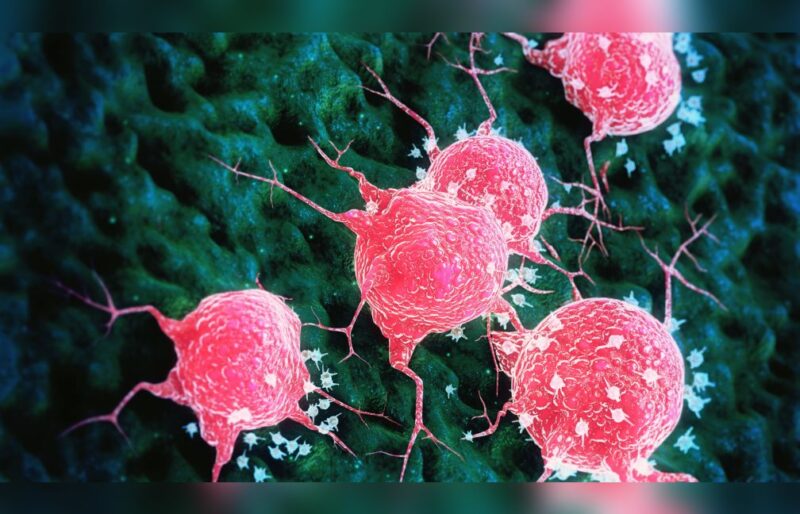
Onconutrition is a modern field of nutrition focused on supporting cancer patients through a diet tailored to their special needs during treatment and recovery. Research shows that the right diet can not only improve quality of life but also directly influence the body’s response to treatments such as chemotherapy or radiotherapy. Oncologists and nutritionists emphasize that onconutrition does not replace conventional treatments but supports them by providing essential nutrients, reducing inflammation, and strengthening immunity.
Benefits of Onconutrition
1. Supporting the Immune System
A tailored diet can help the immune system cope with oxidative stress and inflammation caused by cancer and treatments. Consuming foods rich in antioxidant vitamins (C, E, A) and minerals (zinc, selenium) contributes to strengthening the body’s natural barriers. These nutrients support the production of immune cells and neutralize free radicals. Additionally, a strong immune system can reduce the risk of secondary infections during vulnerable periods. Studies show that patients with an optimized diet have a better recovery rate after invasive treatments.
2. Combating Chronic Inflammation
Inflammation is a central factor in cancer progression. Onconutrition relies on anti-inflammatory foods such as fatty fish rich in omega-3, olive oil, nuts, and cruciferous vegetables. These compounds reduce the expression of pro-inflammatory genes and support cellular regeneration. An anti-inflammatory diet decreases the production of cytokines involved in tumor development. By reducing inflammation, patients experience fewer symptoms associated with fatigue and pain. Moreover, this type of diet protects blood vessels and internal organs from the side effects of treatments.
3. Improving Treatment Response
Adequate nutrition can enhance the effectiveness of oncological treatments. For example, quality proteins (fish, eggs, legumes) support the recovery of tissues affected by radiotherapy and stimulate cellular regeneration. At the same time, complex carbohydrates provide a steady energy supply, avoiding sharp drops in blood sugar. A balanced diet can reduce side effects such as nausea or loss of appetite. By maintaining muscle mass and energy, patients are better able to complete treatment regimens, leading to a higher chance of a positive response.
4. Protecting the Liver and Kidneys
Oncological treatments place significant pressure on the liver and kidneys, organs responsible for metabolizing medications. A diet based on green vegetables, antioxidant-rich fruits, and adequate fluids supports detoxification. Plant-based proteins reduce metabolic strain compared to heavy animal proteins. Consuming herbs such as parsley, coriander, and artichoke stimulates liver function. By protecting these organs, the body can eliminate toxins resulting from treatment more efficiently. Patients experience fewer adverse effects and have better resilience to medication regimens.
5. Maintaining Muscle Mass and Weight
A major risk in oncology is that patients may develop cachexia, an accelerated loss of muscle mass. Onconutrition recommends an optimal intake of proteins and calories, tailored to each stage of the disease. Supplementing with natural protein shakes, along with meals rich in legumes, can prevent excessive weight loss. Maintaining muscle mass helps not only with mobility but also with treatment resilience. Additionally, stable weight protects the body against complications and increases recovery chances.
Studies and Research
Study 1 – Onconutrition and Inflammation (2020, Journal of Clinical Oncology)
A large study analyzed 500 patients undergoing chemotherapy, observing that those who followed an anti-inflammatory diet based on vegetables, fish, and plant oils had reduced levels of inflammatory markers. Researchers demonstrated that this reduction in inflammation translated into a lower rate of side effects and better treatment tolerance. The results showed that nutrition can modify the biological environment of the body. In conclusion, a tailored diet plays an active role in managing inflammation associated with cancer. The involved doctors emphasized that diet becomes an integral part of oncological therapy.
Study 2 – Diet and Patient Survival (2019, Cancer Research)
This study followed over 1,200 patients with various types of cancer, analyzing the impact of diet on survival. The results showed that patients who consumed more fiber, quality proteins, and healthy fats had a higher life expectancy. Additionally, those who reduced their intake of refined sugars and processed meats exhibited a lower recurrence rate. The study indicated that diet directly influences disease progression. The researchers concluded that onconutrition is an essential factor in the prognosis of cancer patients.
Study 3 – Personalized Nutrition (2021, Frontiers in Nutrition)
An international team of researchers tested a personalized nutrition program for cancer patients. Diets were tailored based on the type of cancer, stage of the disease, and treatments followed. The results showed that patients who benefited from this personalized plan had a significantly better quality of life. They reported less fatigue, fewer digestive disturbances, and better tolerance to therapies. In conclusion, personalized nutrition is becoming an important pillar in the modern approach to cancer.
Contraindications and Precautions
-
Restrictive diets (e.g., only juices or prolonged fasting) can weaken the body and compromise treatment.
-
Dietary supplements should only be administered under medical supervision, as some may interact with chemotherapy.
-
Excessive protein intake can overload the liver and kidneys, which are already under strain.
-
Consumption of alcohol and ultra-processed foods is contraindicated, as it promotes inflammation and oxidative stress.
-
Self-medication with natural remedies can be risky: plants like St. John’s Wort negatively interact with oncological medications.
Nutritional Table: Recommended Foods in Onconutrition
| Food | Main Nutrients | Role in Onconutrition |
|---|---|---|
| Salmon, sardines | Omega-3, proteins | Anti-inflammatory effect |
| Broccoli, cabbage | Sulforaphane, vitamin C | Detoxification and cellular protection |
| Blueberries, pomegranates | Antioxidants, polyphenols | Neutralizing free radicals |
| Quinoa, buckwheat | Plant proteins, fiber | Maintaining muscle mass |
| Olive oil | Monounsaturated fats | Cardiovascular support |
| Nuts, almonds | Vitamin E, selenium, magnesium | Supporting immunity and regeneration |
Onconutrition is not a universal diet but a complex strategy that adapts to each patient. Studies clearly show that the right diet can improve quality of life, support treatment, and provide additional protection against recurrences. Consulting with a specialized nutritionist in oncology remains essential to find the optimal balance.




