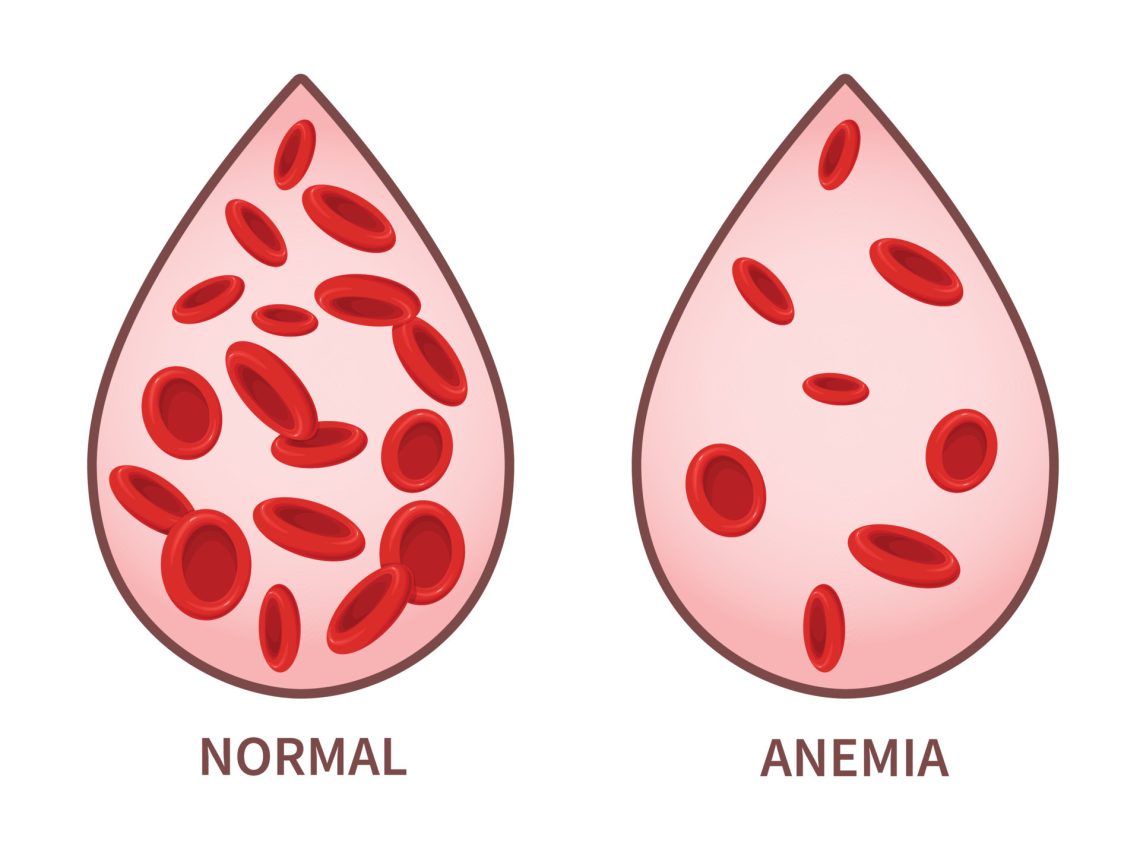
Iron is an essential mineral for growth and development. It is also a crucial component of red blood cell production. Red blood cells help supply the body with oxygen, keeping it alive. Sometimes, red blood cells do not function as they should, leading to a condition called iron deficiency anemia, which can cause serious complications for the heart and lungs if left untreated. There are a variety of foods that can help those with anemia, as well as some that should be avoided.
What is Anemia?
Anemia occurs when the body does not have enough healthy red blood cells to deliver sufficient oxygen to its tissues. People with anemia may also have low levels of hemoglobin, a protein rich in iron found in red blood cells that carries oxygen.
While there are several types of anemia, iron deficiency anemia is the most common. As the name suggests, iron deficiency anemia occurs when the body’s iron stores decrease. Causes include blood loss, inadequate dietary intake of iron-rich foods, gastrointestinal diseases (which result in malabsorption), and other conditions such as kidney disease, obesity, and heart failure.
Ideal Foods for Anemia
If you have iron deficiency anemia, it is essential to increase your intake of iron-rich foods and vitamin C, which enhances iron absorption. Vegetarians or those on specific diets may develop iron deficiency due to their dietary choices.
What is Heme Iron?
Heme iron is the form of iron that is most easily absorbed by the body. It is found in animal products such as meat, poultry, and seafood.
What is Non-Heme Iron?
Non-heme iron is the form of iron that is absorbed somewhat less efficiently by the body and is found in plant foods such as whole grains, nuts, legumes, seeds, and leafy green vegetables. Ideally, non-heme iron sources should be combined with vitamin C-rich foods, such as oranges, berries, tomatoes, sweet potatoes, red peppers, and broccoli to enhance absorption.
Iron-Rich Foods Beneficial for Alleviating Anemia
The recommended daily allowance of iron for individuals aged 19 to 51 is 18 mg for women and 8 mg for men. After age 51, the recommended daily allowance of iron is 8 mg for both men and women.
The best diet for anemia includes a variety of healthy foods, including lean meats, legumes, whole grains, fruits, and vegetables.
Fruits and Vegetables Rich in Iron
It is recommended to consume 1.5 to 2.5 cups of fruit and 2 to 4 cups of vegetables per day. These fruits and vegetables are good sources of non-heme iron:
- Beets
- Potatoes
- Kale
- Broccoli
- Spinach
- Peas
- Green beans
- Sweet potatoes
- Dried plums
- Raisins
- Dried apricots
- Dried peaches
- Watermelon
- Prunes
Nuts and Seeds Rich in Iron
Nuts and seeds are nutritious and contain healthy fats, fiber, protein, and compounds that support cardiovascular health. The following options are rich in iron:
- Almonds
- Cashews
- Pistachios
- Peanuts
- Macadamia nuts
- Sesame seeds
- Flaxseeds
- Pumpkin seeds
- Hemp seeds
Meats High in Iron
Animal sources, such as poultry and red meat, are the foods from which our bodies absorb iron most easily.
The World Cancer Research Fund recommends limiting red meat consumption to three portions per week to reduce the risk of colorectal cancer. Sources of protein rich in iron include:
- Eggs
- Turkey
- Chicken
- Beef
- Pork
- Lamb
- Goat
- Veal
- Venison
- Chicken or beef liver
Seafood Rich in Iron
Another source of heme iron is seafood. According to the Dietary Guidelines for Americans 2020-2025, individuals of all ages should consume seafood at least twice a week. Seafood is rich in omega-3 fatty acids and contains essential vitamins and minerals, such as vitamin D and zinc.
Sources of Iron from Seafood:
- Shrimp
- Clams
- Lobster
- Crab
- Oysters
- Mussels
- Tuna
- Sardines
- Trout
- Sea bass
- Black halibut
Legumes Rich in Iron
Legumes are plant-based proteins, high in fiber and rich in minerals. They are an excellent source of iron. These iron-rich options are good for anemia:
- Peas
- Black beans
- White beans
- Hummus
- Lentils
- Edamame
- Tofu
Whole Grains Rich in Iron
Whole grains contain fiber to support healthy digestion and can help reduce the risk of heart disease. The following iron-rich grains are good options for anemia:
- Whole grain bread
- Whole grain products
- Enriched white bread and pasta
- Oatmeal
- Barley
- Cornmeal
- Rye bread
Other Iron-Rich Foods
While added sugars should be limited in the diet, incorporating small amounts of these iron-rich sweeteners can be helpful if you have anemia:
- Maple syrup
- Molasses
Foods to Avoid if You Have Anemia
If you are anemic, certain foods and beverages should be avoided, as they can interfere with iron absorption or quickly deplete iron levels in the body.
Dairy products contain high levels of calcium, which can compete with iron for absorption, especially with non-heme iron. Ideally, foods containing iron and calcium should be consumed separately (about an hour apart) to maximize benefits to the body.
Tannins are found in high amounts in fruits, coffee, tea, red wine, and beer. Tannins reduce the bioavailability of iron, making it harder for the body to absorb.
Excessive alcohol consumption can suppress blood cell production and cause structural abnormalities that hinder the maturation of functional cells.
When to Seek Medical Attention
While individuals with mild to moderate anemia may not have symptoms, some may experience:
- Dizziness or lightheadedness
- Headaches
- Difficulty concentrating
- Pale skin
- Fatigue
- Cold, numb, or tingling hands and feet
- Irritability
- Loss of appetite
More severe cases of anemia may manifest as:
- Fragile nails
- Dizziness when standing up
- Blue tinge to the whites of the eyes
- Difficulty breathing, even at rest
- Oral ulcers or swollen tongue
- Increased menstrual bleeding in women
- Decreased libido in men
- Blood in stool
- Increased heart rate
- Chest pain
If you notice any of these symptoms or follow a plant-based or vegan diet (putting you at risk for iron deficiency), you should seek medical attention to have your blood iron levels tested.




