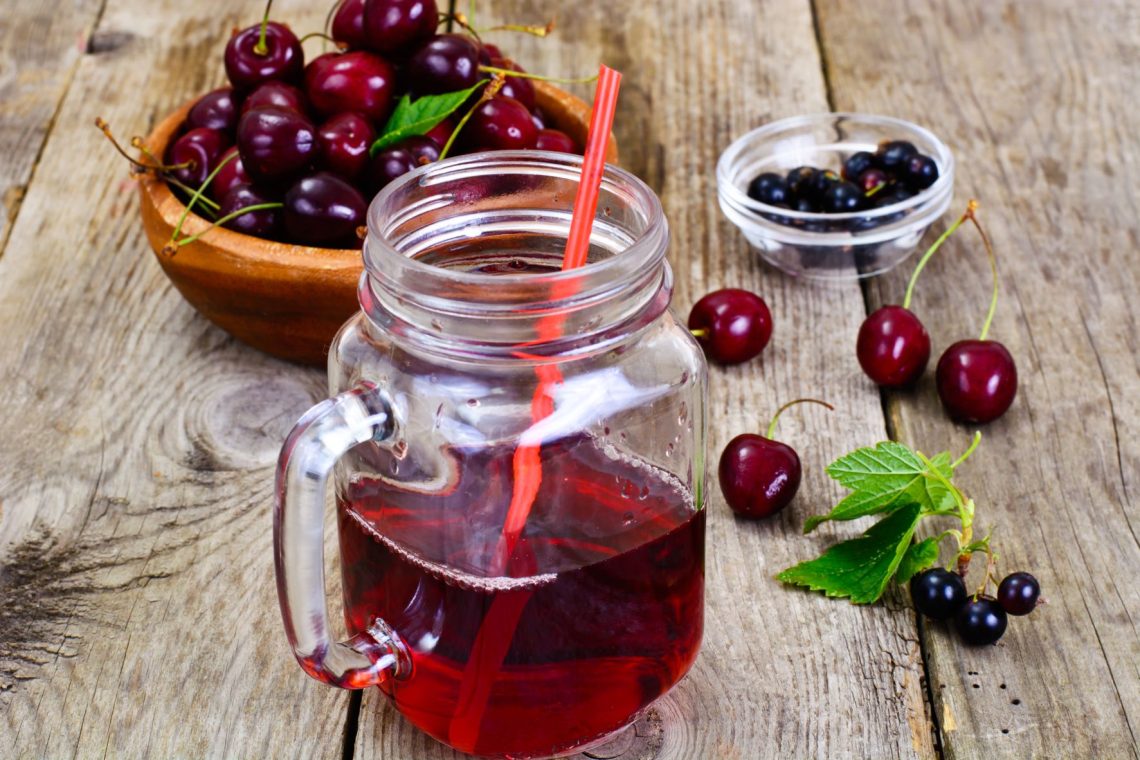
Cherries stand out among summer fruits for their uricosuric properties. Dr. Alina Lăctu states that they are the only fruits that help eliminate uric acid from the body. Individuals with gout or hyperuricemia (elevated uric acid levels in the blood) who are undergoing treatment should take advantage of the cherry season.
Cherries Lower Uric Acid in the Blood
Foods high in purines promote increased uric acid levels in the blood and contribute to the onset of gout, while other foods have the opposite effect.
Cherries and Wines are Uricosuric
Studies from recent decades have shown that these fruits reduce uric acid levels in the blood, the incidence of gout attacks, and the severity of the disease. The hypouricemic effect occurs a few hours after consumption.
The benefits of cherries are attributed to their high antioxidant content (anthocyanins). These have antioxidant, anti-inflammatory, and osteo-protective properties. Cherries contain a higher amount of anthocyanins than other fruits, such as blueberries. They are also rich in vitamin C and quercetin, two antioxidants that lower uric acid and also prevent its formation.
Cherry Cure for Lowering Uric Acid
Dr. Lăctu suggests that an annual cherry cure can be done throughout the season. The recommended dose can reach up to 300 grams of cherries per day. 300 grams is a quite satisfactory portion. Try not to exceed this amount. It is best to consume cherries in the first part of the day. Consider it a form of treatment.
Due to their hypouricemic effects, cherries can complement the treatment for individuals with high uric acid. Since they are 100% natural and have no side effects, you should ensure a regular intake.
Freeze cherries for winter! Dr. Alina Lăctu advises patients to make reserves for the cold season. Now is the time to prepare and freeze them. Cherries and other berries freeze very well and maintain their nutritional value. Wash them well, remove the pits, and place them in bags. You can use them throughout the year. Take out a bag and let them thaw. Then you can serve them as they are, or add them to yogurts, cereals, smoothies, or juices.
Studies on the Effects of Cherries on Uric Acid
A study conducted by researchers at the University of California, Davis, confirmed the benefits of cherries. The study was performed on healthy women aged between 20 and 40 years. They consumed 2 portions (280 g) of cherries per day. The results showed a 15% decrease in uric acid concentration in the blood. Moreover, cherry consumption reduced 2 inflammatory markers: nitric oxide and C-reactive protein.
30 ml of Wine Juice per Day Lowers Uric Acid for 2 Days
Not only do cherries reduce uric acid in the blood, but so do wines. Scientists in the UK tested the effects of wine juice on 12 individuals without gout. Participants received 30 ml of wine juice mixed with water daily. After a 10-day break, they received a double dose of wine juice, namely 60 ml per day.
The anthocyanins in wine juice had a beneficial impact on uric acid and inflammation. They significantly reduced uric acid levels within 8 hours and maintained them at a low level for about 2 days.
Uric acid began to rise again after 24-48 hours. The 30 ml dose of wine juice proved to be as effective as the double dose. This study shows that individuals with hyperuricemia can consume a small amount of wine juice each day to keep uric acid levels in the blood low.
The anti-inflammatory effect of wines may also be beneficial in other joint conditions, such as osteoarthritis. A study conducted by Oregon Health and Science University showed that 300 ml of wine juice per day significantly reduced an inflammatory biomarker, namely C-reactive protein. The study lasted 3 weeks.
Attention
The maximum dose of cherries or wine per day should be 300 grams. Excess could produce the opposite effect. Excess fructose is one of the causes of high uric acid in the blood. We do not want to go to extremes; we limit ourselves to a portion that we know brings benefits.




