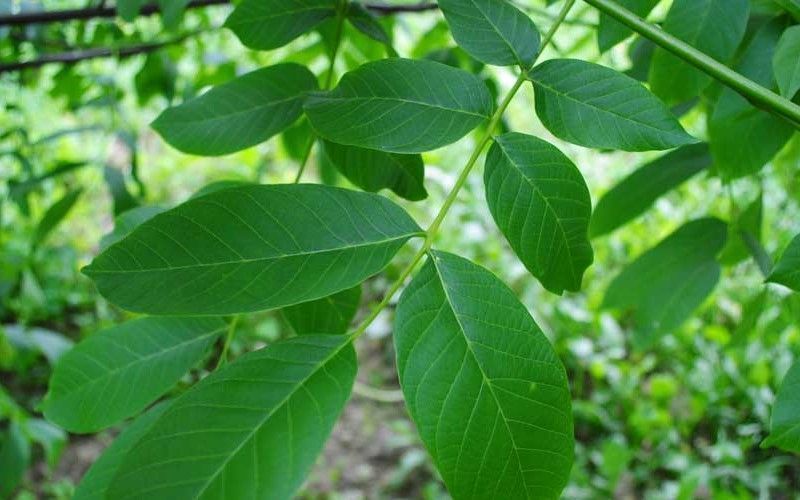
Over time, walnut leaves have been used in traditional medicine for their therapeutic and healing properties, providing significant benefits for our health.
Rich in active substances, antioxidants, and essential nutrients, walnut leaves are known for their ability to alleviate a variety of ailments and support the overall health of the body. From combating inflammation and infections to promoting heart and skin health, these leaves have gained recognition and appreciation worldwide for their remarkable benefits.
In this article, we will explore ten of the most important benefits of walnut leaves, how to use them to obtain these benefits, and the precautions we should keep in mind.
Walnut leaves are usually harvested in spring when they are full of active substances and antioxidants.
Here are ten detailed benefits of walnut leaves, how to use them, and how they act in the body:
1. Powerful Antioxidant:
Walnut leaves contain antioxidants such as gallic acid and quercetin, which fight against oxidative stress and free radicals in the body, thus protecting cells and DNA from damage.
How to use them:
You can prepare a tea from dried walnut leaves and consume it regularly to benefit from their antioxidant properties.
2. Anti-inflammatory Properties:
The active substances in walnut leaves have the ability to reduce inflammation in the body, being useful in treating inflammatory conditions such as arthritis or gout.
How to use them:
Apply cold compresses with walnut leaf infusion to inflamed areas or prepare an ointment from crushed leaves to reduce pain and inflammation.
3. Maintaining Heart Health:
Walnut leaves contain compounds that help lower cholesterol levels and blood pressure, thus contributing to maintaining heart and cardiovascular health.
How to use them:
Drink walnut leaf tea regularly to benefit from their cardioprotective effects.
4. Improving Digestion:
Walnut leaves have digestive and choleretic properties, stimulating bile secretion and promoting the digestion of fatty foods.
How to use them:
Drink walnut leaf tea after heavy meals.
5. Combating Infections:
Due to their antibacterial and antifungal properties, walnut leaves can help combat bacterial and fungal infections, including those of the skin and respiratory tract.
How to use them:
Prepare a concentrated decoction from walnut leaves and apply it locally to affected areas or inhale vapors to treat respiratory infections.
6. Skin Care:
Walnut leaves have astringent and healing effects on the skin, being useful in treating acne, irritations, and eczema.
How to use them:
Make a concentrated infusion from walnut leaves and use it as a tonic lotion or add walnut leaf extract to creams and ointments for skin care.
7. Promoting Liver Health:
Walnut leaves stimulate liver function and help detoxify the liver, contributing to the elimination of toxins and excess fat from the body.
How to use them:
Drink walnut leaf tea during detoxification cures.
8. Alleviating Menstrual Pain:
Walnut leaves have antispasmodic and analgesic effects, being effective in reducing menstrual pain and abdominal cramps.
How to use them:
Drink walnut leaf tea before and during menstruation or apply warm compresses to the abdomen to soothe pain.
9. Supporting Bone Health:
Walnut leaves contain calcium, magnesium, and other essential minerals for bone health, helping to prevent osteoporosis and other bone system conditions.
How to use them:
Regularly consume walnut leaf tea or take nutritional supplements.
10. Restoring Hair Shine:
Infusions from walnut leaves have toning and revitalizing effects on hair, improving shine and strengthening hair strands.
How to use them:
Rinse hair with walnut leaf infusion after washing or add walnut leaf extract to shampoos and conditioners to nourish and revitalize hair.
Walnut leaves are a valuable resource for our health, offering numerous benefits for the entire body. With proper and regular use, they can contribute to maintaining an optimal state of health and improving the quality of life.
Contraindications:
Although walnut leaves have numerous health benefits, there are certain contraindications to consider:
1. Allergies:
Individuals with sensitivity or allergy to nuts should avoid consuming or using walnut leaves to prevent allergic reactions.
2. Drug Interactions:
Walnut leaves may interact with certain medications, such as anticoagulants or blood pressure medications. It is recommended to consult a doctor before using walnut leaves regularly, especially if you are taking other medications.
3. Toxicity:
Excessive consumption or abuse of walnut leaves can lead to toxicity, manifested by symptoms such as nausea, vomiting, diarrhea, and abdominal pain. It is important to respect the recommended doses and not exceed their use.
4. Pregnancy and Breastfeeding:
Pregnant or breastfeeding women should avoid consuming walnut leaves or consult a doctor before using them, as there are not enough studies to confirm their safety in these situations.
5. Pre-existing Health Issues:
Individuals with severe liver, kidney, or digestive conditions should avoid using walnut leaves or consult a doctor before using them, as they may exacerbate certain health issues.
Before starting any treatment or supplementation with walnut leaves, it is always recommended to consult a doctor, especially if you have certain medical conditions or are taking other medications. It is important to follow recommendations and be aware of potential contraindications to avoid any complications or unwanted side effects.




