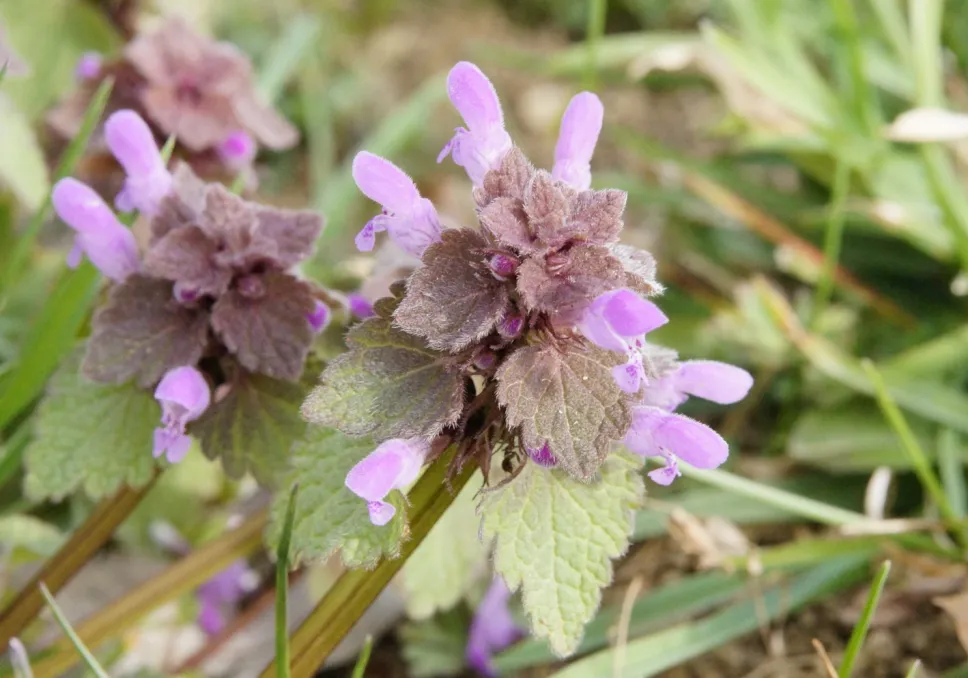
Dead nettle, scientifically known as Lamium purpureum, is a herbaceous plant from the Lamiaceae family. Although it may seem insignificant, this plant has numerous health benefits and has been used in traditional medicine for centuries.
What does it contain and what properties does it have?
1. Rich in nutrients:
Dead nettle contains a wide range of vitamins and minerals, including vitamin C, vitamin K, iron, calcium, and potassium.
2. Anti-inflammatory properties:
Due to its content of bioactive compounds, dead nettle may help reduce inflammation in the body.
3. Powerful antioxidant:
It has antioxidant properties that help combat oxidative stress and protect cells from damage caused by free radicals.
Benefits of dead nettle:
1. Improving bone health:
Dead nettle is rich in calcium and vitamin K, two essential substances for bone health. Calcium is necessary for the formation and maintenance of bone density, while vitamin K is involved in the mineralization process of bones, helping to prevent osteoporosis and other bone-related health issues.
2. Regulating blood pressure:
The potassium in dead nettle is an important mineral for maintaining fluid balance in the body and regulating blood pressure. Regular consumption may help reduce the risk of hypertension and associated complications.
3. Support for the immune system:
Vitamin C, present in dead nettle, is known for its role in strengthening the immune system. This vitamin acts as a powerful antioxidant, helping to combat infections and free radicals that can damage healthy cells.
4. Alleviating premenstrual symptoms:
Studies suggest that certain compounds in dead nettle may help reduce discomfort associated with premenstrual syndrome, such as bloating, irritability, and abdominal pain. These compounds may have beneficial effects on hormonal balance and the nervous system.
5. Promoting skin health:
The antioxidant properties of dead nettle help protect the skin from damage caused by free radicals and premature aging. Consuming or applying this plant externally can contribute to maintaining healthy and radiant skin.
6. Supporting urinary tract health:
Dead nettle has diuretic effects, meaning it can increase urine production and help eliminate toxins from the body. This can be beneficial for urinary tract health, preventing infections and promoting normal kidney function.
7. Reducing blood sugar levels:
Certain compounds in dead nettle may help regulate blood sugar levels, which is beneficial for individuals with diabetes or those predisposed to blood sugar regulation issues. These effects can be attributed to both its fiber content and other bioactive substances in the plant.
8. Relieving throat pain:
The anti-inflammatory and antimicrobial properties of dead nettle make it a popular option for treating throat irritations and pain. Oral rinses with dead nettle infusion can help reduce inflammation and discomfort associated with these issues.
9. Improving respiratory health:
Consuming tea made from dead nettle may help clear the airways and alleviate symptoms of cough and nasal congestion. This plant has expectorant and antiseptic properties that can help combat respiratory infections and promote healing.
10. Supporting cardiovascular health:
Regular consumption of dead nettle may contribute to maintaining heart and blood vessel health, due to its content of antioxidants and anti-inflammatory substances. These effects may reduce the risk of cardiovascular diseases, such as hypertension, atherosclerosis, and stroke.
These benefits are supported by scientific research and the traditional use of dead nettle in various cultures. However, it is important to consult a doctor before starting any treatment regimen or supplementing with medicinal plants to avoid potential interactions or side effects, especially if you are taking medication.
Contraindications:
Drug interactions:
Dead nettle may interact with certain medications, so it is recommended to consult a doctor before consuming it, especially if you are taking blood pressure medications or anticoagulants.
Allergic reactions:
Individuals allergic to other plants in the Lamiaceae family should exercise caution, as they may experience allergic reactions to dead nettle.
Use during pregnancy and breastfeeding:
There is not enough research to determine the safety of using dead nettle during pregnancy and breastfeeding, so it is best to avoid its consumption during these periods.




