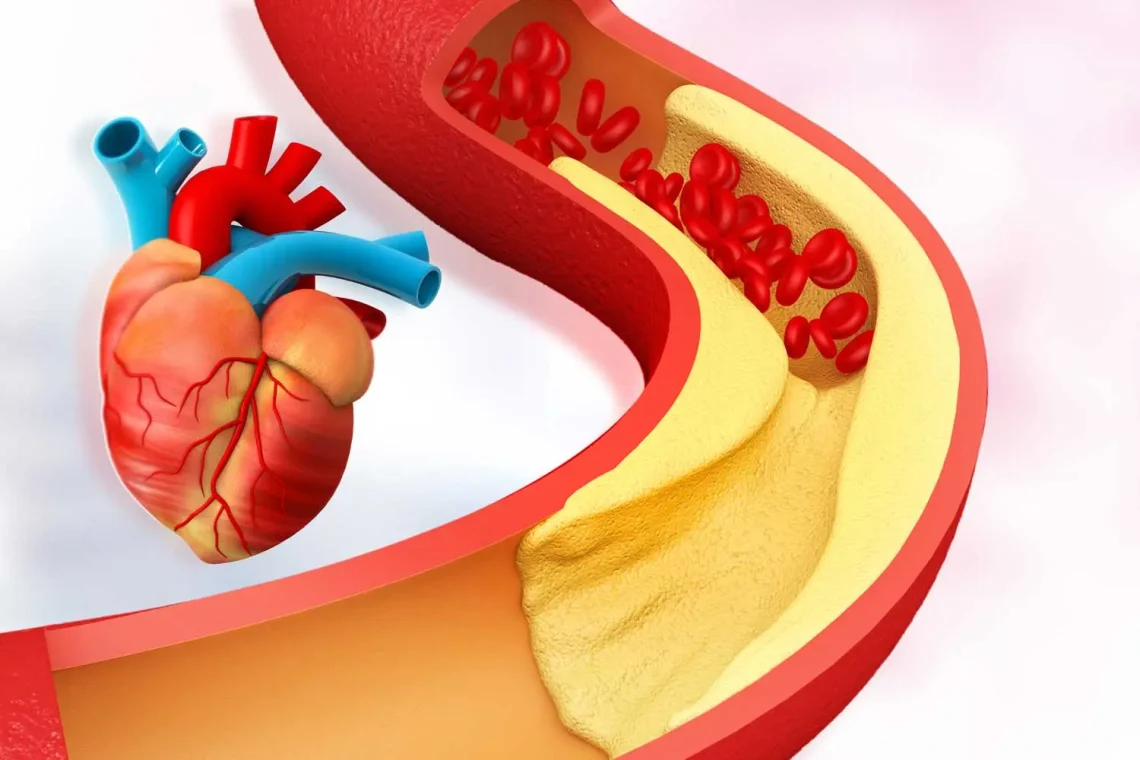
In the fight against high cholesterol levels, nature offers powerful and gentle solutions for the body. A simple blend of carefully selected dried leaves can help regulate cholesterol levels (LDL) without resorting to synthetic medications, especially when there is no severe medical indication. Among the most effective leaves used for this purpose are: olive leaves, artichoke, bay leaves, and dandelion. Combining them into a medicinal tea can support not only cholesterol reduction but also liver function, digestion, and overall detoxification.
Recipe: Dried leaf mixture for cholesterol regulation
Ingredients:
-
2 tablespoons dried olive leaves
-
2 tablespoons dried artichoke leaves
-
1 tablespoon dried bay leaves
-
2 tablespoons dried dandelion leaves
Preparation:
-
Mix all the leaves in an airtight glass jar.
-
For one serving, use 1 tablespoon of the mixture in 250 ml of hot water.
-
Let it steep for 10-12 minutes, then strain.
Consumption method:
-
Drink 1 cup in the morning and 1 cup in the evening for 30 days, with a break of 2 weeks.
-
It can be consumed before or after meals, depending on digestive tolerance.
-
A little lemon can be added for flavor, but without sweeteners.
Benefits explained in detail
1. Olive leaves reduce LDL cholesterol levels
Olive leaves contain oleuropein, a bioactive compound with strong antioxidant and hypolipidemic effects. This contributes to lowering LDL cholesterol levels and increasing good cholesterol (HDL). Studies show that oleuropein inhibits the oxidation of LDL cholesterol, a key step in the formation of atherosclerotic plaques. Through this action, olive leaves can support cardiovascular health and prevent associated diseases. Additionally, they have antihypertensive effects, complementing the benefits for the circulatory system.
2. Artichoke leaves stimulate the liver and reduce triglycerides
Artichoke is known for its hepatoprotective effects. The leaves contain cynarin, a substance that stimulates bile secretion and fat metabolism. This helps the liver to metabolize lipids more efficiently, reducing total cholesterol and triglyceride levels. Additionally, artichoke contributes to reducing bloating and digestive discomfort, often associated with a high-fat diet. It also has a mild diuretic effect, aiding in the elimination of toxins.
3. Bay leaves improve lipid metabolism
Bay leaves are rich in volatile compounds (eugenol, linalool) with anti-inflammatory and antioxidant actions. They support lipid metabolism by regulating enzymatic function at the liver level. Studies show that bay leaves can contribute to reducing total and LDL cholesterol levels, especially when associated with a balanced diet. Furthermore, bay leaves support pancreatic function, balancing blood sugar levels, which indirectly influences fat metabolism. They are an excellent ally for digestive and cardiovascular health.
4. Dandelion leaves detoxify and support bile
Dandelion is one of the most complete detoxifying plants, and its leaves contain bitter substances (taraxacin) that stimulate liver function. By increasing bile flow, they help digest fats and eliminate excess cholesterol. The leaves also have a diuretic effect, promoting the elimination of metabolic waste and excess water. Additionally, they act as a digestive tonic, preventing constipation, a factor that can influence lipid metabolism. Regular consumption supports liver regeneration.
Detailed scientific studies
1. Study on the effect of olive leaves Phytotherapy Research, 2011
Researchers evaluated the effect of olive leaf extract on patients with mild dyslipidemia. For 8 weeks, participants received 500 mg of standardized extract daily. The results showed a significant reduction in LDL cholesterol by 12% and an increase in HDL by 4%. These effects occurred without dietary changes. The study also showed a reduction in systolic blood pressure by 5 mmHg. The authors concluded that olive leaves have a safe profile and multiple benefits for lipid metabolism. Polyphenolic compounds were considered responsible for these effects. No significant adverse effects were recorded.
2. Study on artichoke leaves Journal of Medicinal Food, 2010
A group of 75 patients with hypercholesterolemia was treated for 12 weeks with artichoke leaf extract. At the end, total cholesterol decreased by 18%, and triglycerides by 22%. Participants reported improved digestion and a general feeling of increased energy. Cynarin from the extract was associated with stimulating bile secretion and reducing plasma lipids. The liver was protected, and transaminase levels remained normal. Researchers highlighted the antihyperlipidemic potential of the plant, comparable to mild drug therapies. The study was double-blind and placebo-controlled.
Contraindications
-
Pregnant or breastfeeding women should consult a doctor before consuming this mixture.
-
People with severe liver conditions or those undergoing anticoagulant treatments should avoid these plants or consume them only with medical advice.
-
Olive leaves may interact with hypertension medications.
-
Artichoke is contraindicated in bile obstructions or biliary lithiasis.
-
Long-term consumption without breaks is not recommended, as it may overload the liver.
Sources:
-
Phytotherapy Research Olive leaf extract reduces LDL cholesterol and blood pressure
-
Journal of Medicinal Food Artichoke Leaf Extract Improves Lipid Profile in Hyperlipidemic Patients




