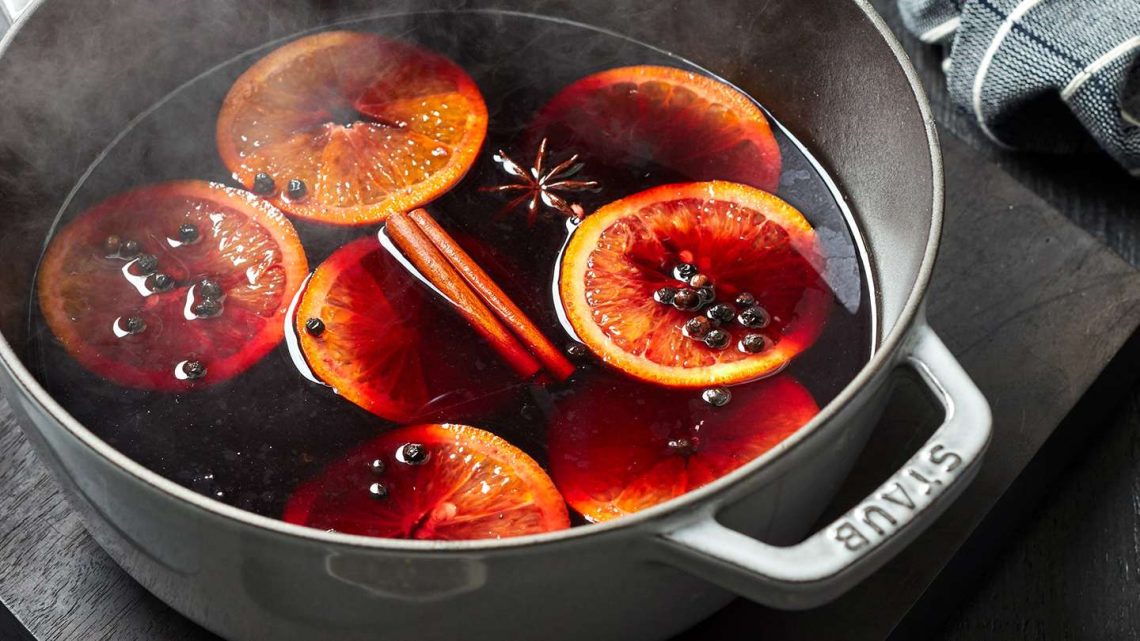
Consumed hot, decorated with citrus fruits like oranges and lemons, and definitely flavored with spices such as cinnamon, cloves, allspice, nutmeg, ginger, pepper, or cardamom, mulled wine is a Christmas tradition dating back to the 2nd century.
What are the benefits of mulled wine?
1. Keeps colds at bay
You may not have thought about the possible benefits of this drink, but aside from its great taste, mulled wine keeps cold symptoms away. This is especially true because the warm liquid helps the immune system, along with the presence of ingredients that usually have beneficial properties.
Moreover, an older study found that people who drink more than 14 glasses of wine per week have a 40% lower risk of catching a cold compared to those who do not consume red wine.
2. Rich in antioxidants
You already know that red grapes are excellent sources of antioxidants, but did you think you could also obtain these antioxidants by consuming them in the form of juice or wine? Of course, we are talking about moderate quantities.
3. Reduces the risk of cardiovascular diseases
Grapes contain resveratrol, which is preserved in wine and gives this beverage anti-aging properties, while also taking care of your heart and contributing to the proper functioning of the circulatory system. There are numerous studies showing that red wine can help reduce the risk of cardiovascular diseases, a well-known cause of heart attacks and strokes. Since, as mentioned above, red wine contains antioxidants, scientists say it helps increase good cholesterol levels and eliminate bad LDL cholesterol.
In this way, arteries do not get blocked, and the risk of cardiovascular diseases is minimized. Regular consumption of red wine could explain the French paradox, the relatively low incidence of coronary atherosclerosis in France compared to other Western countries, despite the generally high intake of saturated fats in the French diet. According to an older study, scientists found that patients who drank wine had half the risk of dying from coronary heart disease or stroke compared to those who did not usually consume wine.
Additionally, one of the spices used in mulled wine, nutmeg, has benefits for the cardiovascular system. Another reason to enjoy mulled wine in moderation, don’t you think?
4. Fights free radicals
Moreover, wine contains polyphenols, which help counteract the effects of free radicals and procyanidins, which reduce blood pressure.
5. Reduces the risk of osteoporosis
Consumed in moderate quantities, red wine decreases the risk of osteoporosis, a condition that can contribute to increased bone mineral density. It is believed that this is due to resveratrol, which is abundantly found in red wine, having anti-inflammatory properties and preventing bone loss.
6. Combats inflammation
Older studies show that the cinnamon in mulled wine has a strong anti-inflammatory effect, reducing swelling and restoring normal tissue function. This can be beneficial in numerous conditions such as arthritis. The antioxidants in red wine and cloves can also help reduce inflammation.
7. Improves intestinal health
Scientists agree that the cloves in mulled wine help increase intestinal motility, as well as improve digestion and alleviate unpleasant symptoms such as indigestion, bloating, and constipation.
8. May detoxify the body
As mentioned earlier, it is advisable to add various spices to mulled wine, such as nutmeg. Scientists say that it acts as a tonic in different ways. For example, nutmeg has benefits for the entire body. More specifically, it cleanses the liver and kidneys of all toxins that may be stored there due to alcohol, drugs, pollution, unhealthy foods, or natural organic toxins.
A glass of red wine consumed occasionally is healthy and helps you relax, especially after a hard day at work. A cup of mulled wine, however, is much more enjoyable alongside friends.
What ingredients pair well with red wine?
If you want to prepare it yourself, you can buy ready-made spice packets, which usually contain cinnamon, orange peels, cloves, nutmeg, star anise, apple peels, and some sugar, or you can try to use your own combination of flavors, depending on what you have on hand at home.
Pieces of quince, pear, or apple can give mulled wine flavors worthy of Masterchef, especially if you also add Bourbon or Madagascar vanilla, depending on your preference. Oranges are also welcome in mulled wine, even along with their relatives: clementines, mandarins, or tangerines. Lemons are not excluded either if you want a cocktail-flavored drink, but they are more suitable for decorative purposes, especially in the form of very thin slices or rounds of peel. For all citrus fruits, if you use the peel, it is advisable to do so for a stronger aroma, but also for the vitamins contained in it. It is best to use a special cleaning brush or rinse them well with water and baking soda to remove the wax that they usually have from the store. Also, don’t forget to use organic lemons.
You can also try spices generally used for cooking, such as bay leaves, rosemary, or pink pepper. For sweetening, brown sugar or powdered sugar, which dissolves quickly, works very well. You can also try to boil it using only fruits and spices and see afterward if you feel the need for sweetening. If you want, you can also use honey.
Mulled wine recipe
Ingredients:
1 liter of red wine
250 ml of water
200 grams of sugar or 100 grams of honey
2 cinnamon sticks
1 vanilla pod
A few cloves
Freshly grated nutmeg
1 star anise
Half a tablespoon of black peppercorns
Thin slices of orange
Preparation method:
It is very simple to prepare. Put all the ingredients to boil over medium heat until just about to boil. Then strain into cups that you can decorate with slices of orange, lemon, or lime.
How much wine can you consume?
As mentioned, it is important to consume a moderate amount of wine. The American Heart Association recommends not to consume more than one to two drinks per day for men and one drink per day for women.




