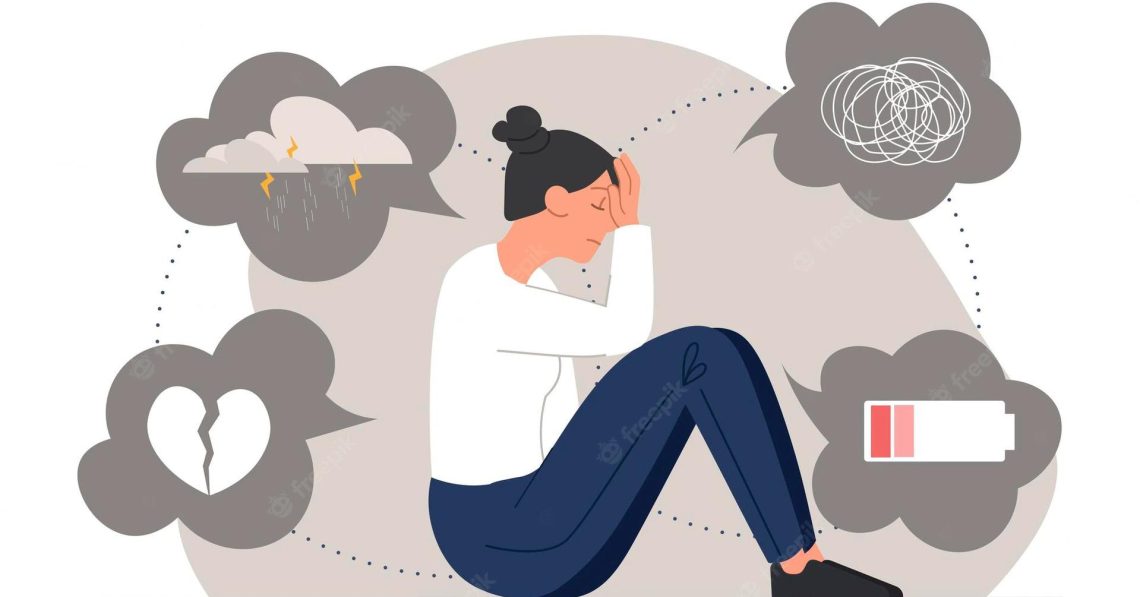
5 methods to confront anxiety. Anxiety is a natural reaction of the body to stress or perceived dangers. It is a feeling of unease, worry, or fear regarding uncertain future events.
When individuals experience anxiety regularly and intensely, it can be classified as an anxiety disorder.
5 methods to confront anxiety
Anxiety disorders are mental health conditions that affect a person’s thoughts, emotions, and behaviors.
Learn relaxation techniques
It is essential to develop effective relaxation skills to combat anxiety. Sitting in front of a computer or television can increase tension, so it is important to practice relaxation techniques such as breathing exercises and yoga. These not only relax the body but also have a positive impact on mental well-being.
Maintain a healthy lifestyle
A proper diet, adequate sleep, and regular physical exercise are essential aspects for strengthening both the body and mind. Sufficient sleep, a balanced diet rich in fruits and vegetables, along with physical activity, contribute to the optimal functioning of the body and reduce the risk of anxiety.
It is good to maintain a positive mindset
Think positively: Focus on the positive aspects of life and avoid negative thoughts. Allowing yourself to dream and fulfill your desires contributes to maintaining an optimistic and constructive perspective on life.
Spend time with loved ones
Socializing with friends and family provides emotional support and can help overcome anxiety. Open communication about your worries and fears can bring clarity and support.
Connect with nature
Spending time outdoors, whether it’s a walk in the park or a trip into nature, can provide a welcome break from daily stress and recharge your batteries. Inviting a friend or family member to join you can add a social and supportive dimension to the relaxing experience in nature.
There are several types of anxiety disorders, including generalized anxiety disorder (GAD), panic disorder, social anxiety disorder, and separation anxiety disorder.
It is important to note that anxiety can be successfully treated, and cognitive-behavioral therapy, counseling, and, in some cases, medication can be helpful in managing symptoms. If someone feels they are facing anxiety or suspects they have an anxiety disorder, it is recommended to seek help from a mental health professional.




