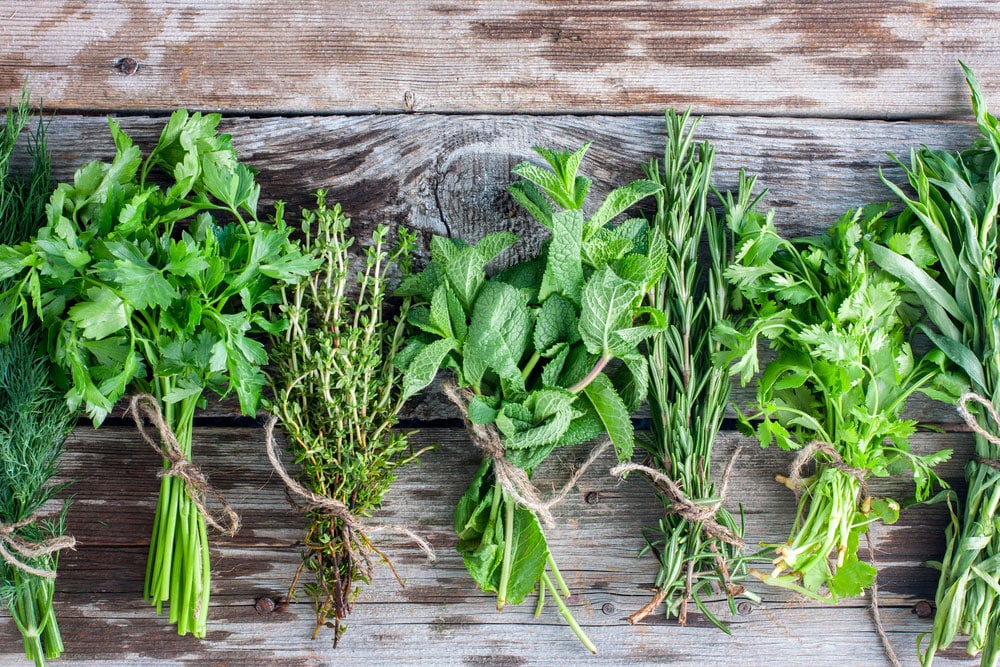
You use them in cooking, fresh or dried, to add flavor to your favorite dishes. Whether they remind you of childhood and your grandmother’s garden, or you discovered them later in your plate, these aromatic herbs also have numerous health benefits. In the following, find out more about four commonly used aromatic herbs and their benefits when we talk about thyme, lovage, dill, and parsley.
Many aromatic herbs are often used in the kitchen to enhance the taste of dishes. Aromatic herbs provide rich and complex aromas and flavors that can transform the simple taste of main ingredients into a deeper and more satisfying culinary experience. They accentuate and highlight certain natural flavors of foods, improving, for example, the taste of a sauce, soup, or marinade.
In addition to providing taste, color, and aroma, some aromatic herbs also have medicinal properties, being used in various cultures for therapeutic purposes or to improve general health. In this article, we discuss several aromatic herbs commonly used in Romanian cuisine, including the benefits of the four: thyme, lovage, dill, and parsley.
Garden Thyme
It has a pleasant, aromatic smell and is used in the culinary field as well as for its medicinal properties. It contains an essential oil with beneficial components. Thus, garden thyme has a carminative action, meaning it soothes abdominal pain and promotes the expulsion of intestinal gas, as well as an astringent action.
Herbalists recommend garden thyme for stimulating appetite; it is a good anti-diarrheal and, in combination with basil, can replace salt in dietary foods. If you want to enjoy the benefits of garden thyme, you can prepare an infusion using 2 tablespoons of the herb in a cup of boiling water. Drink 2 or 3 cups a day, but it would be best to consult a specialist in herbal medicine first. The essential oil of garden thyme is not recommended during pregnancy and is not indicated for external use.
Benefits of Thyme
Thyme contains antioxidant compounds such as flavonoids, phenolic acids, and essential oils, which can help combat oxidative stress in the body.
Some studies suggest that thyme may have anti-inflammatory properties and thus can contribute to managing inflammation in the body.
Thyme has traditionally been used to help stimulate digestion. The active substances in thyme can help reduce gas and bloating and improve digestion.
In what dishes is thyme used?
Thyme pairs very well with meat, whether it is chicken, pork, lamb, beef, or turkey. It can be used in marinades, on the grill, in the oven, or in stews.
Thyme adds a note of freshness and rich aroma to fried potatoes or mashed potatoes. It can be sprinkled over potatoes along with salt and other spices.
Thyme can enhance the flavor of soups, broths (especially bean soup), and stews. It can be added during cooking or at the end.
Thyme is often included in various sauces, such as those for pasta, tomato sauces, meat sauces, or sauces for fish.
Thyme pairs well with grilled vegetables, giving them a flavorful and fresh taste.
Thyme can also be added to bread dough or focaccia to impart a special aroma.
Thyme can be included in raw salads, especially those containing tomatoes, cucumbers, and avocado.
Lovage
Its large leaves have a very strong smell and are often used to flavor meat or vegetable soups, being highly appreciated for their aroma. For medicinal purposes, you can use both fresh and dried lovage to prepare infusions. Additionally, a herbal medicine specialist may recommend lovage in the form of tinctures or powder, depending on your needs.
Lovage contains important active substances, vitamins, and minerals, so specialists recommend it as a diuretic; it is a good expectorant, has a carminative action (promoting the elimination of intestinal gas), and can regulate the function of the intestinal tract. At the recommendation of a specialist in herbal medicine, lovage can be used to treat abdominal colic in children, bronchitis, tracheitis, menstrual pain, and constipation.
Benefits of Lovage
Lovage has traditionally been used to help stimulate digestion and reduce gastric discomfort. The active substances in lovage can help soothe the stomach and intestinal mucosa.
Due to its content of vitamin A and lutein, lovage can contribute to maintaining eye health and reducing the risk of age-related eye conditions.
The vitamin C in lovage can support the immune system, helping the body fight infections and stay healthy.
In what dishes is lovage used?
Lovage is a popular choice to add freshness to seasonal soups, tripe soup, or chicken soup, as well as in sour vegetable soup.
Lovage pairs well with potato-based dishes, whether they are fried, mashed, or boiled. It can be added during cooking or sprinkled at the end.
Lovage can also be used to season fresh or soft cheeses if you want to make a cheese spread with aromatic herbs.
Dill
The smell of dill leaves is particularly strong, so it is no surprise that it is often used in the kitchen, both in salads and in other vegetable-based dishes. Dill contains a series of important active substances, and for medicinal purposes, both the leaves and seeds of the plant are very valuable. Infusions and other remedies can be prepared from dill leaves or seeds.
Dill is a good revitalizer for the entire body, aiding in respiration and the proper functioning of the digestive system. Additionally, it contributes to the relaxation of the body, having a sedative effect. It can alleviate flatulence and improve digestion. For children and infants, dill seeds are good for treating indigestion and hiccups. Moreover, dill essential oil, when massaged onto the skin, can stop the feeling of nausea. For treating infections, herbalists recommend preparations made from dill seeds, applied externally in poultices.
For digestive issues, an infusion can be prepared from 48 grams of dried seeds in one liter of boiling water. Let the seeds infuse for 10 minutes, then drink a cup after main meals, as recommended by a specialist.
Benefits of Dill
Dill is known for its ability to help stimulate digestion. The essential oils in dill can relax the muscles of the stomach and intestines, contributing to reducing discomfort and flatulence and combating bloating.
Consuming dill can help manage feelings of hunger, being useful in the context of weight management.
Some women use dill to help manage premenstrual syndrome symptoms, as it has relaxing and antispasmodic properties.
In what dishes is dill used?
Dill goes wonderfully with fish and seafood dishes. It can be used in the oven, on the grill, or in sauces for fish.
Adding fresh dill to yogurt or various tomato sauces can significantly enhance their taste and aromas.
Dill can be sprinkled over boiled eggs, omelets, or fried eggs to give them a fresh taste, as well as over potatoes and cheeses.
Parsley
Delicious parsley is used to add flavor to many dishes in Romanian cuisine. It can also be used for medicinal purposes, with the leaves, roots, and seeds being useful in this regard. Parsley contains vitamins, mineral salts, and essential oil, and herbalists recommend it for its hypotensive and invigorating effects. Additionally, it regulates liver activity.
The vitamin K in parsley helps maintain the health of the skeletal system, while the high amount of vitamin C makes parsley an ally for boosting immunity. There is even some evidence that parsley can contribute to the proper functioning of the kidneys. It has anti-inflammatory properties, and if consumed daily, you might notice an improvement in joint pain. Due to its high iron content, parsley is also recommended for patients with anemia.
Benefits of Parsley
Parsley is rich in vitamins, especially vitamin K, vitamin C, and vitamin A. Vitamin K is essential for normal blood clotting, while vitamin C plays a role in supporting the immune system.
The potassium in parsley can help maintain blood pressure within normal limits and contribute to cardiovascular health.
Parsley has diuretic properties, helping to eliminate excess water from the body and supporting kidney health.
In what dishes is parsley used?
Freshly chopped parsley goes very well in soups and broths, such as chicken soup, tomato soup, or bean soup.
Parsley can be added to pasta sauces or directly over pasta to provide a fresh aroma and a color contrast. Adding parsley to yogurt sauces or salad dressings gives them a fresh taste.
Parsley can be added to cooked meat, whether in the oven, on the grill, or in stews, to enhance the aroma and provide a note of freshness.




