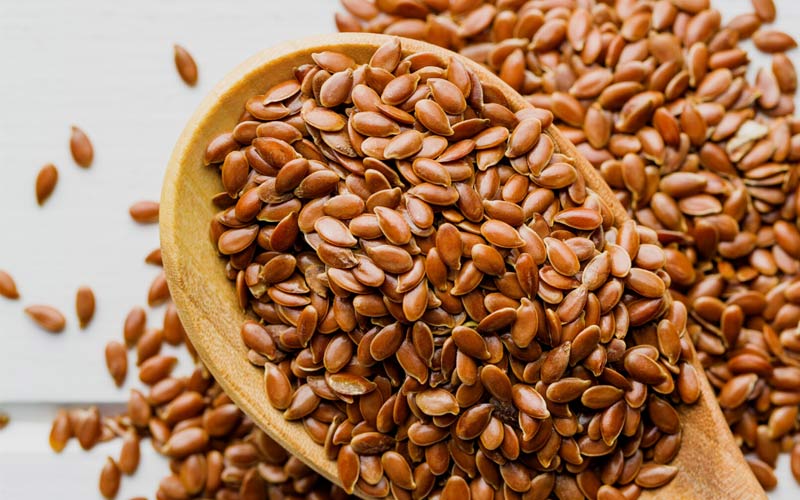
Flaxseeds contain omega-3 fatty acids, fiber, monounsaturated and polyunsaturated fats, vitamin B1, B6, folate, calcium, iron, magnesium, phosphorus, and potassium.
Among the benefits of flaxseeds are improved digestion, younger-looking skin, lower cholesterol, reduced sugar cravings, hormonal balance, and even cancer-fighting properties.
Due to their omega-3 fatty acids, flaxseeds are shown to have heart health benefits and are linked to a lower risk of stroke.
Flaxseeds help maintain a healthy heart. When dealing with cardiovascular issues, flaxseeds assist in lowering blood pressure and reducing cholesterol levels. Additionally, consuming these seeds helps prevent blood clot formation, decreasing the risk of heart attacks and strokes.
They are an excellent source of dietary fiber, minerals such as manganese, thiamine, and magnesium, and plant-based proteins. They are one of the richest sources of omega-3 fatty acids.
Flax has a low carbohydrate content and is extremely rich in soluble and insoluble fiber, which means it helps detoxify the colon, may aid in weight loss, and can reduce sugar cravings. Most adults should aim to consume between 25-40 grams of fiber daily (just two tablespoons of flaxseeds provide about 20-25% of the daily fiber requirement). They are consumed in the evening, with 2 teaspoons of flaxseeds, along with plenty of water.
Flaxseeds are also ideal for chronic bronchitis. A good expectorant can be made from half a teaspoon of ground flaxseeds, shaken for 15 minutes in a glass of water. Finally, strain and drink 2 tablespoons 3-4 times a day.
Studies have shown that adding these seeds to the diet naturally lowers cholesterol levels.
The antioxidants found in flaxseeds reduce damage caused by free radicals; therefore, flax has anti-aging effects, hormonal balance, and cellular regeneration.
Lignans are compounds in flaxseeds that have antioxidant and estrogenic properties, both of which may contribute to a reduced risk of cancer. Although there is still insufficient evidence in this regard, flaxseeds are believed to fight cancer, especially colon and breast cancer, due to the substances in their composition that inhibit tumor growth.
Due to their estrogenic properties, flaxseeds reduce the risk of osteoporosis. They also help women maintain a regular menstrual cycle.
It is best to grind flaxseeds before consuming them to maximize nutrient absorption. Otherwise, we risk not digesting them properly. The most nutritious form of flaxseeds is sprouted. This way, the phytic acid they contain is eliminated, and mineral absorption is also increased.
Caution! Flaxseeds can slow the absorption rate of oral medications or other nutrients if taken at the same time. Pregnant women should limit their intake of flaxseeds due to the content of substances that act like estrogens.




