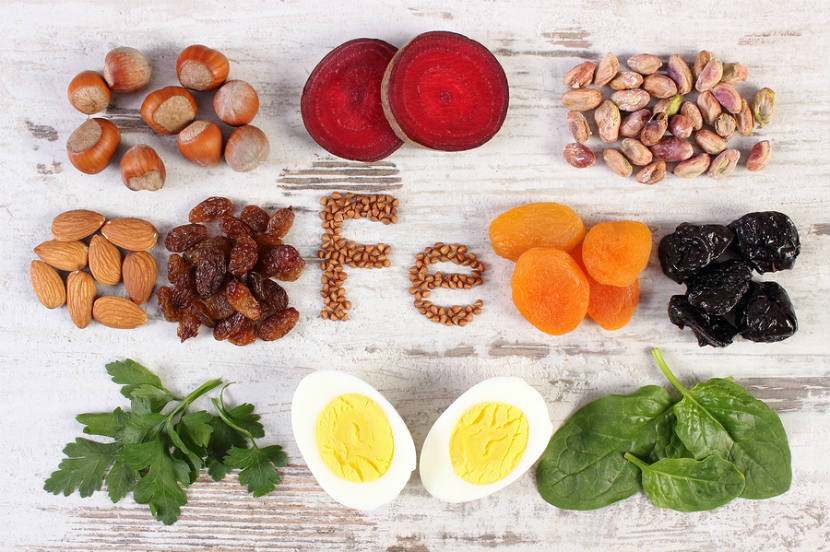
Iron is a mineral found in every living cell in the body. It is a primary component of two proteins: hemoglobin and myoglobin. Hemoglobin is the part of red blood cells that carries oxygen to the body’s tissues. Myoglobin is the part of muscle cells that holds oxygen.
According to the Centers for Disease Control and Prevention, iron deficiency is the most common form of nutritional deficiency.
If you have low iron levels, it is also essential to obtain a high amount of vitamin C in your diet, as it increases iron absorption.
The most important health benefits of iron:
1 Energy
An iron deficiency can mean that you cannot produce enough red blood cells to transport oxygen—this is why your body struggles to deliver oxygen to the brain, tissues, muscles, and cells, which can make you feel exhausted and weak. Symptoms of iron deficiency include lack of energy and fatigue. Additionally, anemia can cause shortness of breath, dizziness, headaches, cold hands and feet, pale skin, chest pain, and weakness.
2 Muscle function
Iron is necessary for muscle movement, as it helps store oxygen in the muscles, allowing them to move and strengthen. Without iron, the primary cells in muscles cannot hold oxygen, and without oxygen, they cannot function properly, leading to muscle weakness.
3 Brain function
The brain relies on oxygen for proper functioning. If iron is not present, the brain does not receive the oxygen it needs, leading to poor memory and reduced productivity. Children with iron deficiency tend to become irritable, restless, and unable to pay attention. These symptoms usually disappear once iron levels are restored.
Numerous studies have demonstrated the negative effects of iron deficiency on learning and memory, as well as on social behavior.
4 Healthy pregnancy
Pregnant women should consume more iron-rich foods than anyone else, as they not only need iron but must also meet the needs of the fetus and placenta. They should also consider consuming more healthy fats and foods rich in folic acid during pregnancy.
Iron-rich foods:
1 Spirulina
Spirulina is a blue-green algae known for its intense flavor and strong nutritional profile. It is rich in iron, protein, and vitamins B, C, D, and E.
2 Spinach
There is a good reason why Popeye became stronger when he ate spinach. It is loaded with iron as well as many other essential nutrients.
3 Black beans
Black beans are rich in iron, as well as protein and fiber. They provide energy in the form of starch, making them an excellent source of carbohydrates for anyone with insulin resistance.
4 Pistachios
Pistachios are rich in nutrients such as iron, thiamine, copper, and others.
5 Raisins
One of the important aspects of raisins is their high iron content. If you have an iron deficiency, it is a good idea to consume up to three servings of raisins daily.
6 Cashews
Cashews are delicious and also rich in vitamins and minerals. They are a true source of iron and are recommended in the diet of athletes or those with iron deficiency, who may have anemia or are in a post-operative recovery period.
7 Fish
Red meat fish is richer in iron than white meat fish. It is also recommended to consume fish that can be eaten with bones, as fish bones are rich in phosphorus, minerals, and especially calcium. You can try sprat, anchovies, tuna, salmon, etc.
8 Chia seeds
Chia seeds are an excellent source of nutrients, plant protein, and active substances, as well as omega-3 and omega-6 fatty acids. Chia seeds are also rich in antioxidants and fiber that improve digestion. Did you know that chia seeds contain four times more iron than spinach?
9 Sprouts
All sprouts are rich in calcium, iron, and vitamins, as well as enzymes and antioxidants—substances that the young plant needs to survive and grow. Essentially, sprouts are concentrated sources of active nutrients for the body and are recommended to be consumed in salads of any kind. Consuming sprouts helps in treating anemia, as well as other disorders and pathologies, such as fatty liver, intense fatigue, depression, etc.
10 Beets
Beets are rich in minerals, iron, and antioxidants, being recommended for both anemia and liver conditions. Beets have unique properties regarding health maintenance. We recommend discovering more benefits of consuming beets in this article.




