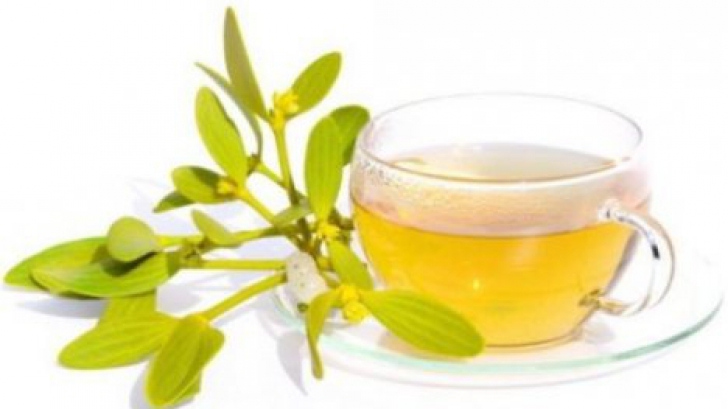
There are numerous health benefits of mistletoe, including its ability to prevent diabetes, alleviate respiratory problems, calm the nervous system, lower blood pressure, promote sleep, reduce inflammation, boost immune system activity, decrease snoring, and lessen menstrual discomfort.
In Europe, mistletoe extract has been known as a viable and valuable health tonic for thousands of years. The organic compounds and chemicals in its extract have been used for a wide range of conditions, from epilepsy to cancer treatment (in recent years), and it continues to gain popularity.
Although this is not the most commonly praised benefit of mistletoe tea, it has a measurable effect on hypertension, which affects millions of people worldwide. By lowering blood pressure, its extract can relieve tension and stress on the cardiovascular system and also reduce the impact of atherosclerosis. Reducing high blood pressure can help prevent strokes, heart attacks, and coronary diseases. These benefits are particularly widespread in European and Japanese mistletoe species.
Mistletoe is known as a very effective nerve agent, traditionally used for hundreds of years. If you suffer from insomnia or restlessness when sleeping, mistletoe tea might be the answer for you. The chemical components of mistletoe influence the release of neurotransmitters that calm and soothe the nervous system, allowing for restful and healthy sleep. The nervous system is strongly linked to circadian rhythms, so calming the nerves can help regulate our sleep cycle.
Perhaps the most important and widely studied aspect of mistletoe’s health benefits is its role in cancer treatment. The effects of mistletoe on cancer are multiple. Some studies have focused on reducing symptoms after chemotherapy. Other research has directly associated its extract with anti-cancer activities.
Mistletoe tea calms the respiratory system in cases of stress or irritation. From dry throat to cough and bronchial inflammation, it has demonstrated the ability to soothe irritation and reduce discomfort and pressure in the chest.
The anti-diabetic potential of this plant is a relatively new area of research, but it has been traditionally practiced for generations. Research has shown that it can lower blood glucose levels, and other findings have indicated that this tea stimulates insulin production in pancreatic cells, contributing to the regulation of levels in the body and reducing the severity of the condition. It is commonly prescribed as a natural remedy for those suffering from diabetes.
Another important aspect of mistletoe tea is its impact on the immune system. This is why this plant is so valued for cancer treatment. The antibacterial, antioxidant, and antiviral properties of this plant make it a perfect line of defense for the body.
If you suffer from anxiety manifested through physical tics, restless sleep, trembling, or other physical/psychological symptoms, mistletoe can act as a tonic for the body, reducing stress hormone levels and calming your nerves to a manageable level.
If you experience cramps and menstrual pain, using mistletoe tea in these situations is a wonderful option. This tea calms muscle spasms and inflammation, helping to release tension.
For hundreds of years, mistletoe tinctures have been used to treat both internal and external inflammation. Arterial pain is likely the most common form of inflammation for most people, and tincture from this plant can work wonders in relieving pain. Internally, this anti-inflammatory capacity can also be beneficial for digestion and gastrointestinal issues.
Attention! There are many species of mistletoe, and some are even toxic. Buy mistletoe from safe sources!
Consult your doctor before adding mistletoe tea to your diet, especially if you are or wish to become pregnant.




