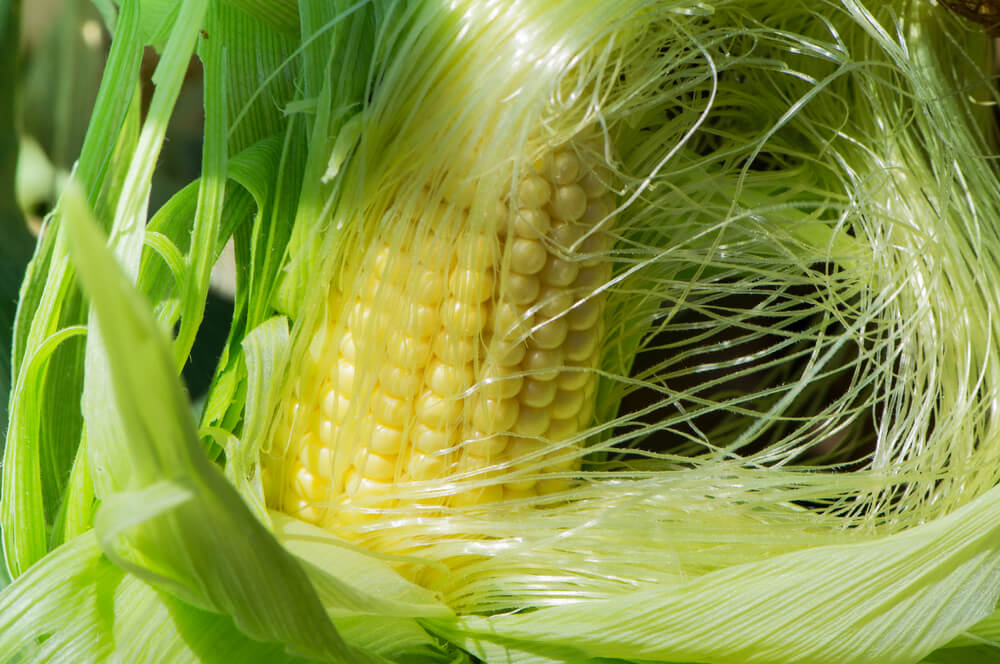
Corn silk, often discarded, is actually quite valuable in natural medicine. These fine fibers that wrap around the corn cob are full of beneficial active substances, used for centuries to treat various ailments. Traditional medicine and modern research confirm that corn silk has diuretic, anti-inflammatory, hypotensive effects, and supports kidney function. Preparations made from corn silk are simple and accessible; tea, tincture, or infusion can be very helpful for common ailments. Here’s how corn silk can be used for the health of the entire body.
Important Benefits
1. Supports kidney health and combats water retention
Corn silk is a recognized natural diuretic, helping to eliminate excess fluids and salts from the body. This effect is particularly useful in cases of edema, swollen feet, or water retention caused by hormonal imbalances. By stimulating the kidneys, it contributes to detoxifying the body, promoting the elimination of toxins through urine. It also helps reduce pressure on the urinary system, being useful in preventing the formation of kidney stones. Many herbalists recommend it in combination with other plants, such as horsetail or dandelion, for stronger effects.
2. Reduces inflammation in the urinary tract and helps with urinary infections
Corn silk contains flavonoids and mucilages that soothe inflammation in the bladder and urethra. These substances help reduce irritation and burning sensations during urination, symptoms commonly encountered in cystitis. Regular consumption of corn silk tea can reduce the need for antibiotics when infections are mild. The plant has a protective effect on mucous membranes, forming a natural barrier against bacteria. It also increases the amount of urine produced, thus helping to eliminate microorganisms responsible for infections.
3. Reduces blood pressure naturally
Through its diuretic effect, corn silk contributes to reducing the volume of blood circulating through the vessels, thereby lowering blood pressure. Additionally, it contains potassium, an essential mineral for blood pressure balance. People suffering from hypertension can include this tea in their daily routine, under medical supervision, as a natural adjunct. Unlike synthetic diuretics, corn silk does not cause massive losses of electrolytes. This gentle and consistent effect can be useful in the early stages of hypertension or as a preventive measure.
4. Helps regulate blood sugar levels
Some studies have shown that corn silk can positively influence carbohydrate metabolism, lowering blood sugar levels. It contains phenolic compounds and antioxidants that can improve insulin sensitivity. It is especially useful for people with prediabetes or type 2 diabetes as an adjunct to diet. While it does not replace conventional treatments, it can support the pancreas and reduce postprandial blood sugar spikes. Effects may vary from person to person, so careful monitoring of blood sugar levels during consumption is recommended.
5. Has calming effects on the digestive system
Corn silk is rich in mucilages that soothe the irritated digestive tract. It can be used in cases of mild gastritis, indigestion, heartburn, or bloating. These plant fibers protect the walls of the stomach and intestines, reducing acidity and irritation. Warm corn silk tea consumed between meals can help relax intestinal muscles and eliminate gas. It also aids in detoxifying the liver, facilitating the digestion of fats.
How to Use Corn Silk
-
Tea: 1 tablespoon of dried corn silk in 250 ml of boiling water. Let it steep for 10 minutes. Drink 2-3 cups a day.
-
Tincture: Can be purchased from health stores or made at home with 40% alcohol, in a ratio of 1:5. Administer 20-30 drops, 2-3 times a day, diluted in water.
-
Powder: Dry and grind finely, then take 1 tablespoon twice a day, in honey or water.
Studies and Research
A study published in Journal of Ethnopharmacology (2012) demonstrated that corn silk extracts have significant anti-inflammatory and diuretic activity in laboratory animals. These effects were observed to occur rapidly without causing major electrolyte imbalances.
Research from BMC Complementary Medicine and Therapies (2019) analyzed the antihyperglycemic activity of corn silk. The study showed that the flavonoids and phenolic acids in its composition can reduce blood glucose levels and improve glucose tolerance in animal models with induced diabetes.
Other in vitro studies have confirmed the ability of corn silk to inhibit the growth of bacteria involved in urinary infections, such as E. coli. Additionally, research conducted in Turkey and South Korea highlighted the antioxidant effects of this plant, confirming its protective role at the cellular level.
In 2021, a study published in Frontiers in Pharmacology analyzed the impact of corn silk extract on renal function in patients with mild renal insufficiency. Preliminary results showed an improvement in urinary parameters without notable adverse effects.
All these studies support the traditional use of corn silk and encourage further clinical investigations to validate its efficacy in humans.
Contraindications and Precautions
-
Not recommended for pregnant women, as it has a mild stimulating effect on the uterus.
-
Individuals undergoing diuretic, antihypertensive, or hypoglycemic treatments should consult a doctor, as corn silk may enhance their effects.
-
Contraindicated in cases of hypotension or severe dehydration.
-
Excessive use may lead to electrolyte imbalances or excessive elimination of mineral salts.
-
Allergies to corn are rare, but in case of adverse reactions (rashes, itching, breathing difficulties), use should be stopped immediately.




