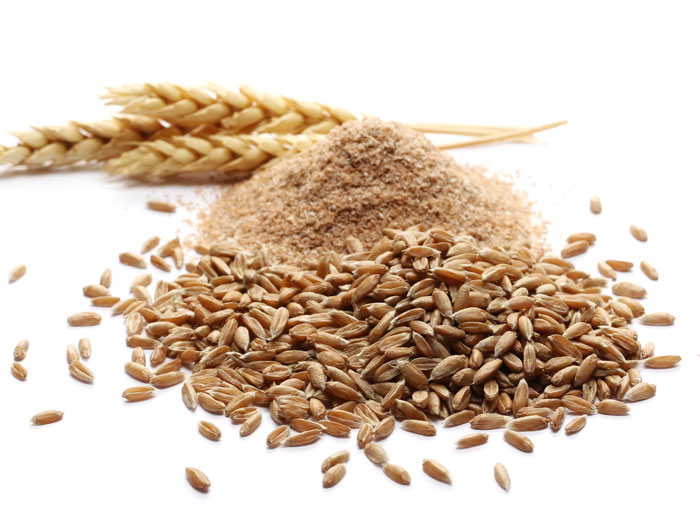
Wheat is the most common cereal available worldwide and has seen even greater demand in recent years due to its abundant health benefits. It originates from Southwest Asia but is now cultivated in numerous countries. The rediscovery of wheat as a medicinal food began in the 1970s when doctors noted the alarming increase in the number of people suffering from coronary ischemia, colitis, diabetes, digestive cancer, obesity, gallstones, dermatoses, and other similar conditions.
Foods such as bread, pasta, biscuits, pretzels, cakes, and muffins are just a few examples of wheat sources. Wheat is believed to be one of the healthiest food products and provides a nutrient-rich diet.
Wheat significantly reduces the risk of heart disease due to its relatively low fat content. It also regulates blood glucose levels.
It offers an immense source of energy. The nutritional value of wheat is retained even after it is processed into flour. However, if you want to obtain maximum benefits from wheat products, it is advisable to choose those made from whole wheat flour rather than refined varieties.
The health benefits of wheat largely depend on the form in which you consume it. While whole wheat is extremely nutritious, its benefits are diminished if consumed as white flour, which is obtained through processing. Processed white flour contains only 60% of the nutrients because the outer layer, which is removed, contains the nutrients and the wheat germ. Through this process, more than half of vitamins B1, B2, B3, E, calcium, phosphorus, folic acid, copper, zinc, iron, and fiber are lost.
Through the detoxifying effect of dietary fibers in black bread, it helps treat skin diseases.
Issues such as anemia, mineral deficiencies, gallstones, breast cancer, chronic inflammation, obesity, asthenia, tuberculosis, pregnancy, and breastfeeding are rapidly improved by consuming whole wheat. It also helps treat sterility. It is also known for balancing cholesterol levels and protecting the heart.
Whole grains like wheat are very effective for patients with metabolic disorders. Common types of metabolic syndromes include visceral obesity, high triglycerides, low LDL cholesterol levels, and high blood pressure. It protects against all these conditions. Doctors recommend whole wheat bread and other fiber-rich foods. Most fibers act as aids for the digestive process and improve overall metabolism.
Wheat is rich in magnesium, a mineral that acts as a co-factor for more than 300 enzymes. These enzymes are involved in the functional use of insulin and glucose secretion. Regular consumption of whole wheat promotes blood sugar control. People suffering from diabetes can maintain their sugar levels under control by replacing rice with whole wheat.
The betaine content in wheat helps prevent chronic inflammation. Betaine is usually found in whole wheat, beets, and spinach. Inflammation is a key element in most types of rheumatic pain. Consuming betaine affects several aspects of the body that ensure a lower risk of chronic inflammation and other conditions such as osteoporosis, heart disease, Alzheimer’s disease, cognitive decline, and type 2 diabetes.
Heart failure is a major cause of hospitalization for the elderly. Medications have been successful in certain cases, but natural remedies work much faster and with less impact on other organs.
Attention! Recently, many varieties of extremely tasty black bread with a long shelf life have appeared on the Romanian market, which, in addition to whole flour, contain a series of synthetic additives for leavening, flavor, aroma, and preservation, making it more toxic than regular white bread. Avoid this bread, which is usually packaged and has its additives listed on the label, preferring simple black bread made through less sophisticated but much more natural means.




