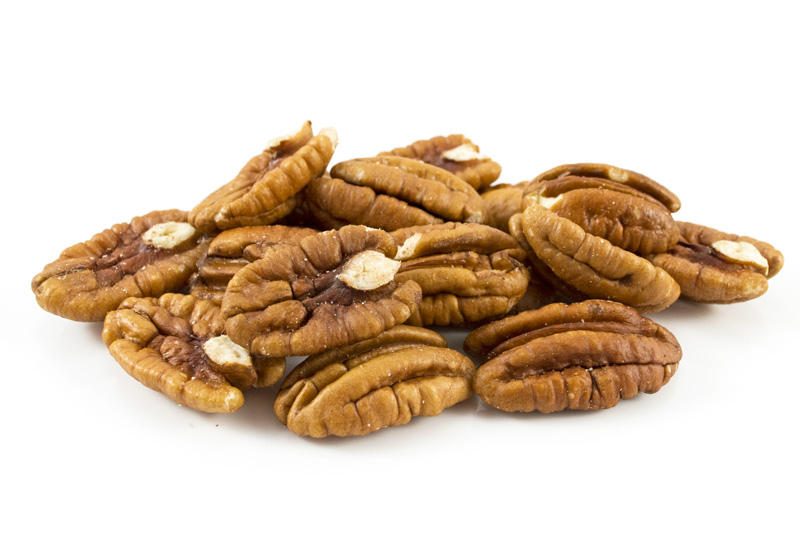
Pecan nuts have the ability to lower cholesterol levels, high blood pressure, diabetes, gallbladder disease, and cancer. They possess antioxidant properties and help with weight management. Additionally, they protect vital organs from toxic effects.
This tree originates from Texas, and it is believed that Native Americans used it for its medicinal value. It can grow up to 44 meters and can live for up to 300 years, continuing to produce fruit annually.
Pecan nuts contain proteins, energy, fiber, amino acids, fats, starch, and sugars. These nutrients include thiamine, riboflavin, niacin, pantothenic acid, beta-carotene, folic acid, vitamins A, B6, C, E, and K. Among the minerals, there are also calcium, iron, magnesium, phosphorus, potassium, zinc, copper, manganese, and selenium.
Pecan nuts are an excellent source of manganese, a powerful antioxidant. This trace element contributes to strengthening the immune system while also protecting nerve cells from the negative effects of free radicals. An adequate intake of manganese is vital for the proper functioning of the central nervous system and the brain.
High cholesterol levels in the body are one of the causes of several cardiovascular conditions that are common today. Regular consumption of these nuts regulates cholesterol levels.
Pecan nuts are beneficial in maintaining blood sugar levels, especially for those suffering from diabetes. Diabetes increases the risk of cardiovascular disorders, and therefore, a healthy diet containing necessary nutrients and minerals is required. Studies show that they can reduce the risk of type 2 diabetes.
The content of thiamine (vitamin B1) in pecan nuts provides energy to the body and strengthens the health of the nervous system. Magnesium and potassium in pecan nuts are essential minerals that help combat stress and fatigue, playing an important role in the proper functioning of muscles and in transmitting stimuli in the nervous system.
Pecan nuts offer a reduced risk of heart-related conditions. They have antioxidant properties that help protect the heart and reduce the risk of high blood pressure. They are also beneficial for weight management.
The consumption of tree nuts is associated with a reduced risk of gallstones. Results from research conducted to study the effect of nut consumption on the risk of gallstone formation suggest that they may reduce the risk of developing gallbladder diseases.
Pecan nuts may also help reduce the risk of cancer. They are rich in phenolic compounds and tannins that are associated with the prevention of various diseases, including cardiovascular disorders and cancer. Another phytochemical with antioxidant properties is ellagic acid, which prevents the multiplication of certain carcinogenic properties in the body. Beta-carotene, lutein, and zeaxanthin in pecan nuts eliminate free radicals from the body, protecting it from diseases, cancer, and infections.
Research studies suggest that their shell has antioxidant effects, potentially protecting vital organs such as the kidneys, heart, and bladder from toxicity induced by cyclophosphamide.
Pecan nuts are a good source of phosphorus, an element that, along with calcium, contributes to the health of bones and teeth. Phosphorus is involved in almost all physiological chemical reactions, being present in every cell in the body. Phosphorus is important for the regular beating of the heart and is also essential for the proper functioning of the kidneys.
Rich in protein and with a delicious taste, pecan nuts are easy to include in the diet; they can be consumed as they are or added to a variety of both nutritious and exceptionally tasty dishes.




