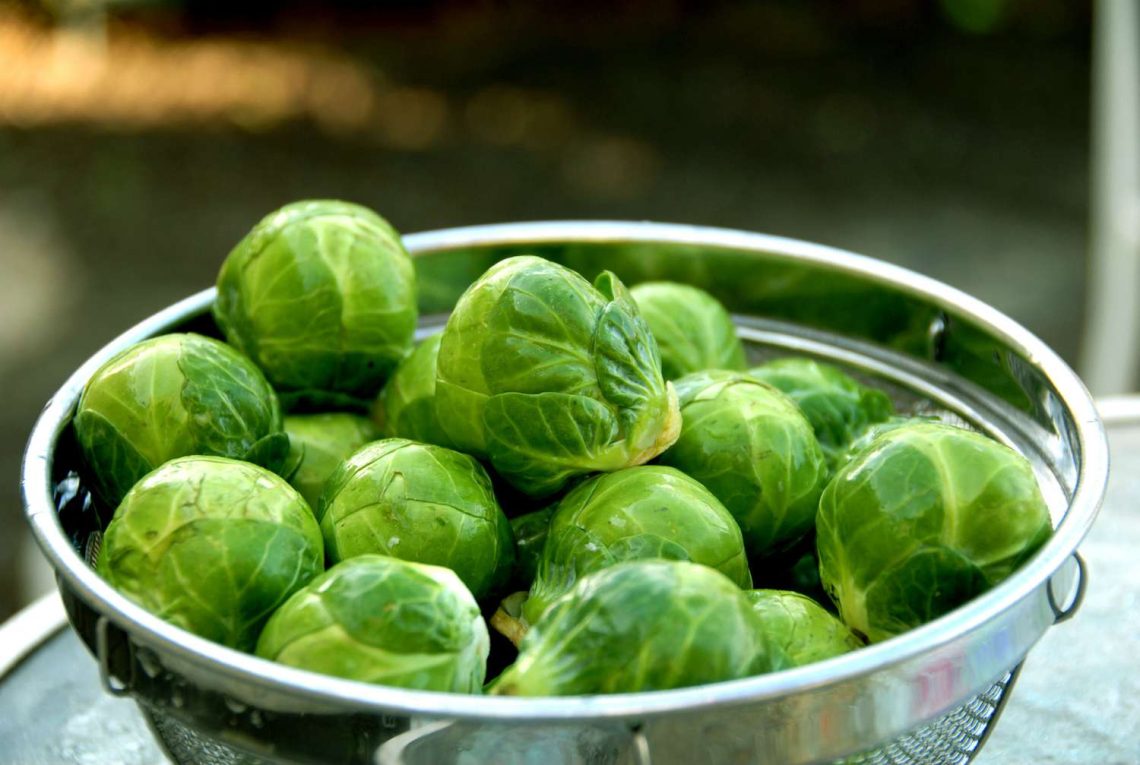
Brussels sprouts contain a wealth of health benefits, including the ability to lower cholesterol, balance hormone levels, improve digestion, reduce oxidative stress, protect the heart, and enhance circulation.
Brussels sprouts are rich in protein, fiber, carbohydrates, as well as vitamins B, A, C, E, and K. They also contain copper, potassium, phosphorus, iron, sodium, magnesium, calcium, zinc, folic acid, and manganese.
One cup contains more than 120% of the recommended daily intake of vitamin C. This is essential for the health of the immune system, as it stimulates the production of white blood cells and acts as an antioxidant, reducing oxidative stress and lowering the chances of chronic illness.
Like most cruciferous vegetables, they are high in dietary fiber. Fiber promotes digestion and reduces constipation.
The high level of folic acid found in Brussels sprouts is very important for pregnant women. Folic acid is essential for preventing neural tube defects, which affect thousands of children each year. B vitamins are crucial for the developmental processes of children.
Research on potential cancer prevention benefits has shown that they can reduce oxidative stress caused by free radicals. Free radicals are associated with the mutation of healthy cells and an increased risk of cancer.
Vitamin K is often overlooked. It is very important for blood clotting. One cup of Brussels sprouts contains more than 240% of the recommended daily intake of vitamin K, while also protecting heart health and increasing bone strength.
Studies have found that the active ingredients and volatile compounds found in Brussels sprouts positively affect the thyroid gland and its numerous functions in the body. This can help regulate hormone levels, which affect everything from metabolic function to digestive efficiency and energy levels.
Vitamin C does more than stimulate the immune system; it is an important component for the production of skin, muscle, and tissue cells. Without adequate levels of vitamin C, the body cannot recover quickly from illness.
There is a wide range of minerals, including manganese, copper, phosphorus, and iron, all of which are necessary for building strong bones and preventing osteoporosis.
Potassium is an extremely important mineral for the body, as it acts as a vasodilator, meaning it can reduce tension and pressure in blood vessels and arteries, thereby reducing strain on the cardiovascular system. This can lower the risk of heart attack, stroke, atherosclerosis, and coronary artery disease.
The high levels of B vitamins found in these vegetables, including riboflavin, pantothenic acid, vitamin B2, and others, are important for a healthy metabolism. This can help the body digest food, utilize nutrients more efficiently, and burn calories more quickly.
Attention! Individuals taking blood-thinning medications should not consume Brussels sprouts as they contain a high amount of vitamin K. This vitamin helps the body clot blood, which can be dangerous and lead to cardiovascular complications.




