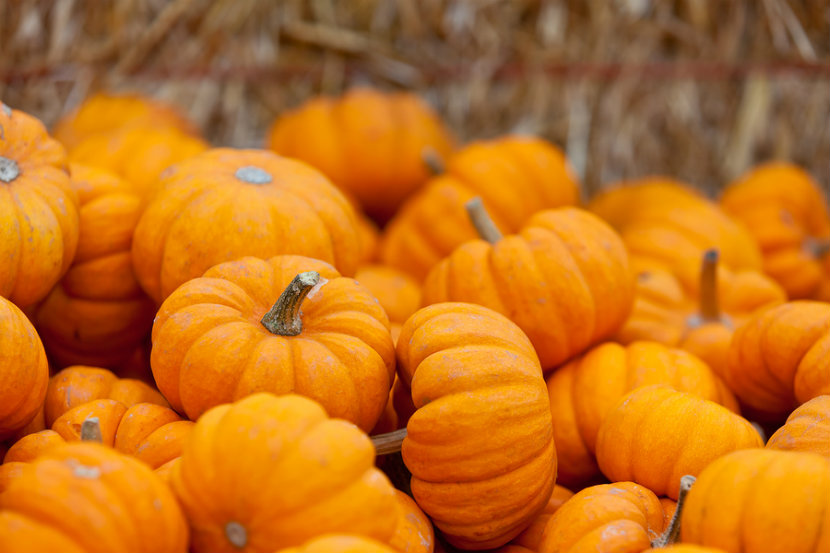
The pumpkin is believed to be native to Central America. Its seeds date back to 7,000 B.C. and were discovered in Mexico.
The pumpkin is a nutrient-dense food. It is rich in vitamins and minerals and has a low calorie content. It is also a rich source of vitamins A, C, E, and B complex, including folate, niacin, vitamin B-6 (pyridoxine), thiamine, and pantothenic acid, as well as minerals such as copper, calcium, potassium, and phosphorus.
The potassium content has a positive effect on blood pressure, while antioxidants help prevent vision deterioration.
Consuming foods rich in beta-carotene (which the body converts into vitamin A) reduces the risk of developing certain types of cancer, provides protection against asthma and heart disease, and delays aging and body degeneration.
Many studies have shown that a diet rich in vegetables and fruits reduces the risk of obesity and global mortality.
The fiber, potassium, and vitamin C content in pumpkin supports heart health. Studies have shown that potassium can be almost as important as reducing sodium intake for treating high blood pressure. Increasing potassium intake is associated with a reduced risk of stroke, protection against muscle mass loss, and increased bone mineral density.
Research has also shown a positive relationship between a diet rich in beta-carotene and a reduced risk of cancer. Beta-carotene prevents the development of colon cancer.
Pumpkins contain vitamin A, essential for eye health, and help the retina absorb and process light. One cup of pumpkin contains over 200% of the recommended daily intake of vitamin A. It also contains lutein and zeaxanthin, two antioxidants that help prevent cataracts and may slow the development of macular degeneration.
The pumpkin combats intestinal worms; 1 gram of pumpkin seeds contains as much protein as a glass of milk. Additionally, it is well-known that regular consumption of raw pumpkin seeds keeps intestinal worms at bay.
They have a strong effect on glucose absorption, thus helping to keep diabetes under control. Pumpkin may be associated with a lower risk of type 2 diabetes.
Pumpkin is rich in fiber, thus improving digestion. It is worth noting that baked yellow pumpkin has special therapeutic properties for a range of digestive issues. It is prepared as juice, and upon the specialist’s advice, it is consumed in a cure for a certain period. A well-baked pumpkin is peeled and seeded, cut into pieces, grated or processed, and then the juice is squeezed out. The liquid prepared this way should be consumed immediately.
Pumpkin successfully fights infections, viruses, and infectious diseases. Pumpkin oil helps combat various bacterial and fungal infections. Additionally, the amount of vitamin C aids in faster recovery from colds.
Baked pumpkin is especially recommended for anemic individuals, as it is rich in folic acid (vitamin B9).
In the case of insect bites, poultices made from crushed pulp can be used.




