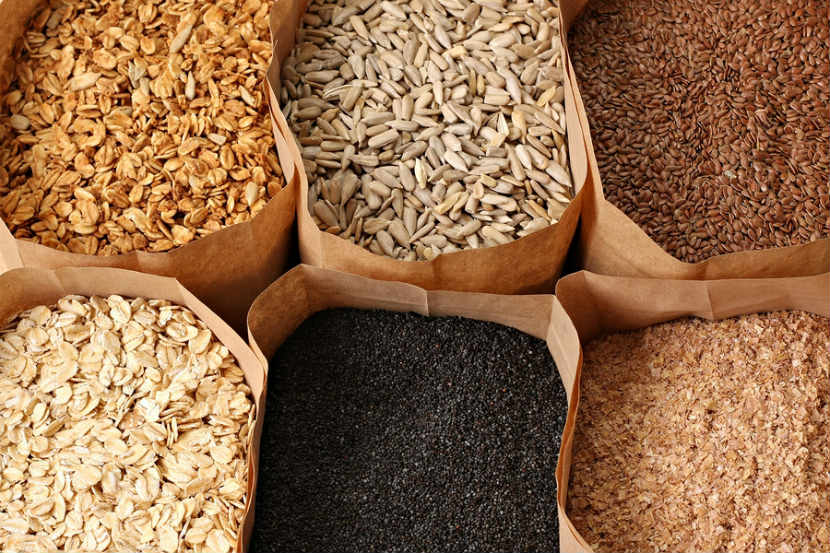
People have been eating cereals directly from plants for thousands of years. There are many different types of cereals. Whole grains are unrefined cereals from which the outer shell or germ has not been removed. Whole grains are rich in carbohydrates, fiber, healthy fats, vitamins, minerals, plant enzymes, hormones, and hundreds of phytochemicals.
What are the three healthy whole grains recommended by the nutritionist?
Oats, buckwheat, and quinoa. These are the three cereals recommended by Larisa Faerman, a nutritionist.
Dr. Faerman stated that oat flakes, made from whole oats, are champions in terms of benefits, as they provide the body with a wide range of beneficial substances in their composition.
This food contains beta-glucans, substances that have a beneficial effect on blood cholesterol levels, B vitamins, antioxidants, minerals including iron and magnesium, as well as fiber, which helps normalize digestion and increase the feeling of satiety. The nutritionist defines buckwheat as one of the most useful cereals for the body, placing it second in the ranking of healthy cereals. According to the specialist, buckwheat is a good source of plant-based protein.
It contains rutin, a vitamin that strengthens blood vessel walls, and minerals: potassium, calcium, phosphorus, and magnesium. The protein content in the product is represented by amino acids.
Its benefits include: detoxification; recovery after antibiotic therapy, during a period when the usual microflora dies and promotes the development of pathogenic bacterial strains; diuretic effect; beneficial effect on mental state and mood; positive effect on cardiovascular diseases; helps with endocrine diseases; stabilizes blood sugar levels, improves digestion; recommended for use in pancreatitis and fatty liver.
Buckwheat is perfectly absorbed by the body, has a general strengthening effect, and helps eliminate toxins and waste. Therefore, this cereal is included in the list of products that promote weight loss. The active substances in buckwheat are capable of eliminating fat from the body in cases of excess weight.
Millet porridge is useful for heart disease, anemia, liver diseases, and nervous disorders: 100 g of porridge contains up to 211 mg of potassium. This food will benefit those suffering from musculoskeletal system diseases. Its consumption is effective in urinary system diseases, stomach and liver dysfunctions, and low stomach acidity.
Another cereal that the expert defines as healthy is quinoa. It provides the body with plant-based proteins containing all the necessary amino acids, as well as iron, magnesium, and phosphorus.
Health benefits provided by whole grains
Most important cereals contain nutrients and dietary fiber and are excellent sources of carbohydrates and proteins. Additionally, they do not contain cholesterol but have essential vitamins and minerals for optimal health (calcium, iron, copper, zinc, and selenium). Specialists have confirmed the important role of whole grains in:
Reducing the risk of stroke
Decreasing the likelihood of developing type 2 diabetes
Lowering the chances of developing cardiovascular diseases
Maintaining a normal body weight
Preserving the health of carotid arteries
Reducing the probabilities of developing cancers (both of the digestive tract and of the urinary bladder, bile, renal system, etc.)




