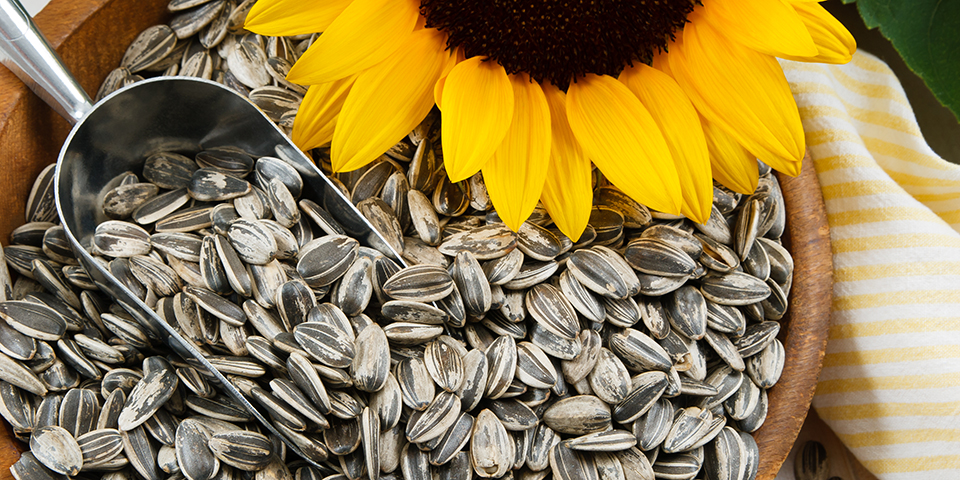
Sunflower seeds are very healthy. They contain unsaturated fatty acids in a proportion of over 90%. Additionally, they are rich in essential vitamins and minerals, such as vitamins E, D, K, B, A, F, carotene, calcium, iodine, and magnesium.
Dr. Raisa Anokhina, a lecturer in the Department of Pharmacology at ASMA, shares how these seeds affect cholesterol levels.
Consuming seeds leads to a decrease in cholesterol synthesis
The doctor states that this food is rich in phytosterols, which are structurally similar to cholesterol molecules. Therefore, consuming seeds leads to a decrease in cholesterol synthesis in the body.
These seeds are recommended for patients with atherosclerosis, according to the expert doctor. Moreover, sunflower oil contains a large amount of vitamin E, which keeps the skin youthful and improves heart muscle activity.
In this regard, it significantly surpasses most other oils such as olive, corn, flaxseed, and rapeseed.
Other benefits of sunflower seeds
Just 100 grams of this product per day meet the body’s needs for vitamins B, B1, B2, folic acid, and linoleic acid, which strengthen the arteries, says Dr. Raisa Anokhina.
The seeds contain enough vitamin D to strengthen bones and vitamin A to improve vision. They also provide calcium, magnesium, potassium, phosphorus, iron, zinc, copper, and selenium. Meanwhile, it should be noted that seeds are quite calorie-dense. 100 grams of seeds provide 570 kcal. A chocolate bar or a kebab contains the same amount of calories.
The seeds contain B vitamins and help calm the nervous system, alleviating symptoms of depression and nervous breakdowns.
First of all, the vitamin E in sunflower seeds is extremely beneficial for the female body. It acts as a powerful antioxidant, slows down cell aging, prevents the development of atherosclerosis, and maintains stable cardiovascular function.
Vitamin D in these seeds is essential for a strong immune system and good calcium absorption. Vitamins A and E, which they contain, have a positive effect on the activity of reproductive organs. Selenium supports testosterone synthesis and stabilizes vascular elasticity.
Zinc positively affects the activity of the adrenal glands and the thyroid gland. Potassium and magnesium thin the blood, which means they minimize the formation of cholesterol plaques.
If a person is diagnosed with diabetes, moderate consumption of seeds will help reduce cravings for sweet and fatty foods. It is important to remember that large quantities of sunflower seeds should not be consumed. 50-70 grams per day are sufficient for the body to receive only benefits and no harm.




