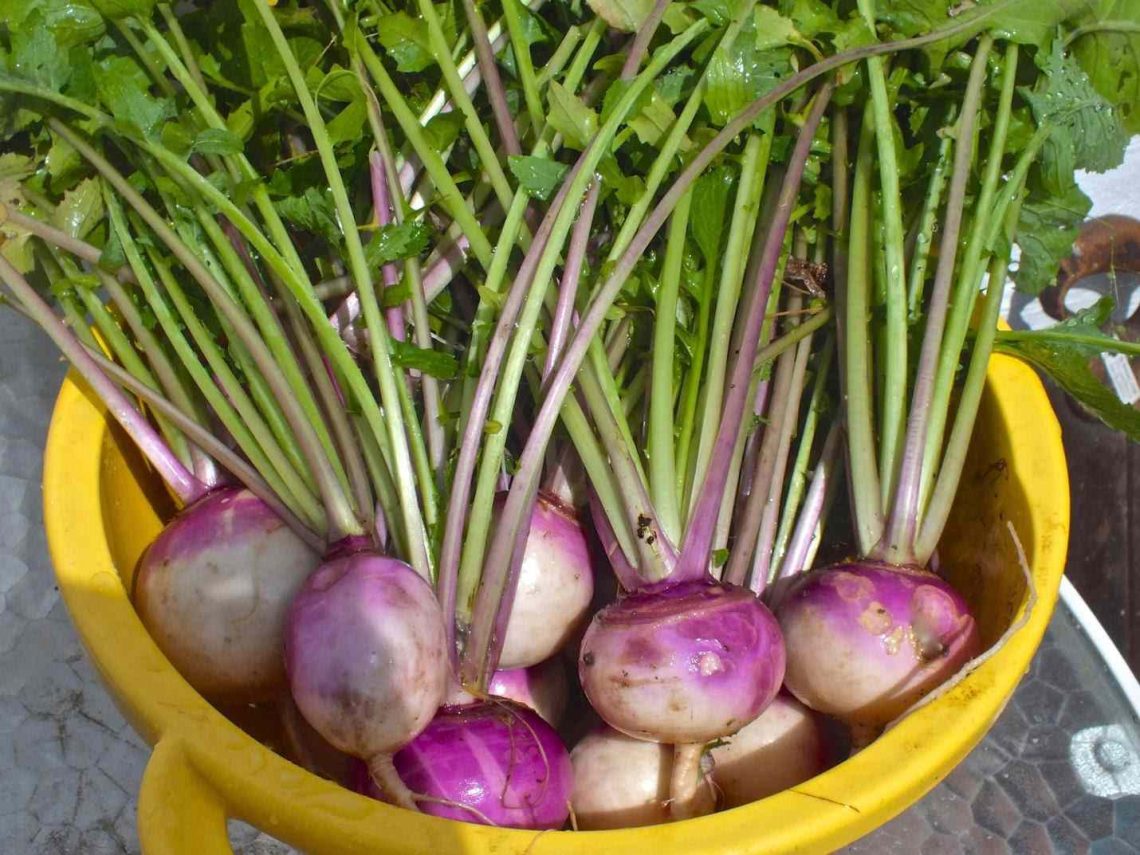
Rutabaga is a lesser-known vegetable in the market, despite a large number of health benefits associated with it, including the ability to improve bone health, protect the heart, prevent cancer, reduce inflammation, and optimize digestion. It also regulates metabolism, increases circulation, and stimulates the immune system.
It is rich in calcium, phosphorus, potassium, sodium, and magnesium, as well as vitamin C, folate, and niacin. This vegetable is high in fiber and low in calories.
The essential nutrients it provides are crucial for the proper functioning of the body. Potassium acts as a vasodilator, helping to reduce the tension in blood vessels and arteries by lowering blood pressure. This can prevent the development of atherosclerosis, as well as heart attacks and strokes. Fiber, on the other hand, is excellent for scraping excess cholesterol and eliminating it from the body.
Most people are aware of the importance of fiber for digestion. Rutabagas are beneficial for treating symptoms of constipation, diarrhea, cramps, and bloating, as well as occasional gastric issues.
The significant level of iron found in rutabagas is beneficial, especially if you suffer from low blood cell counts or anemia. Iron is necessary for the formation of blood cells, which the body needs for oxygenation and repair. Therefore, more iron means better circulation for every extremity of the body.
Vitamin C, present in large quantities, is an important stimulant for the immune system. This vitamin can stimulate the production of white blood cells and antibodies, in addition to acting as an antioxidant and reducing chronic health issues such as cancer and heart disease.
Calcium can help in the growth and repair of bone matter in our body. It is essential for increasing bone mineral density, especially for those suffering from osteoporosis or arthritis. If you want to add some strength and durability to your bones, include calcium-rich foods in your diet.
Besides vitamin C, rutabagas provide considerable levels of vitamin E, manganese, and beta-carotene, all of which act as antioxidants in the body. These antioxidants seek out and neutralize free radicals before they can induce cellular mutations and lead to the spread of cancer. The antioxidants found in rutabaga help prevent long-term chronic health conditions.
The leaves of rutabagas contain omega-3 fatty acids and vitamin K, which are important if you suffer from any inflammatory conditions. These good fats can reduce inflammation, balance cholesterol levels, and promote overall health. You can boil the leaves of this vegetable and enjoy their benefits, especially if you suffer from gout, arthritis, or chronic pain.
The B vitamin family is essential for hormonal and enzymatic processes. Rutabaga provides a healthy dose of B vitamins to the body, ensuring that all our organ systems function correctly and that hormone levels are stable.
Attention! Like other cruciferous vegetables, some of the compounds found in rutabaga can affect the thyroid gland, so if you suffer from thyroid disorders, it would be wise to avoid this vegetable.




