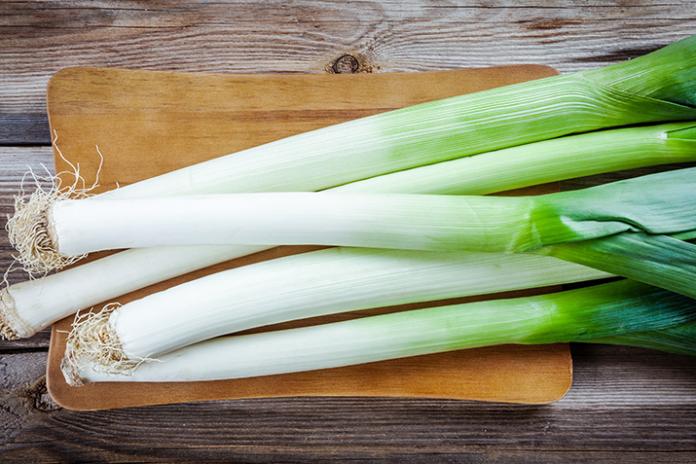
Leek has a long and rich history, traceable back to ancient times. Natives of Central Asia and Europe have cultivated this plant for thousands of years. Leek was appreciated by the ancient Greeks and Romans, who revered it for its beneficial effects on the throat. It is believed that the Roman Emperor Nero ate leek daily to strengthen his voice. To quickly soothe throat pain, boil a chopped leek in vinegar until it softens well. Squeeze it, sprinkle ground pepper on top, and apply it as a poultice on the chest. Leek is well-known for its action on the throat.
Leek, like garlic and onion, belongs to the Allium family. It contains many of the same beneficial compounds found in these well-researched vegetables that promote health. It helps treat flu, heart conditions, arteritis, bronchitis, laryngitis, constipation, enterocolitis, digestive atony, bronchial asthma, intestinal fermentation, and other digestive disorders.
Leek contains significant amounts of flavonoids, which have been repeatedly shown to help protect the lining of blood vessels. One of the mechanisms involved in this protection may involve an increase in nitric oxide production, a natural gas that helps dilate and relax blood vessels, as well as reduce the production of asymmetric dimethylarginine.
Often overlooked, leek also has a concentration of folate. This vitamin is essential for supporting the cardiovascular system, as it helps maintain homocysteine levels in proper balance. Excessively high levels of homocysteine are a risk factor for many cardiovascular diseases.
Additionally, leek contains impressive concentrations of antioxidant polyphenols. These polyphenols play a direct role in protecting blood vessels and blood cells from oxidative damage.
Given their substantial polyphenol content, they may be capable of combating many health issues related to oxidative stress and chronic inflammation. These issues include atherosclerosis, type 2 diabetes, obesity, rheumatoid arthritis, and allergic inflammation of the airways. It offers protection against several types of cancer, including gastric and colorectal cancer.
Leek is antibacterial, antiviral, and antifungal, and research has shown that while it is digested by the body, it produces sulfenic acid, a compound that neutralizes dangerous free radicals very quickly.
Leek contains kaempferol, a natural flavonoid also found in broccoli and cabbage. Research has found a positive association between the consumption of foods containing kaempferol and a reduced risk of cancer and cardiovascular diseases. They have a wide range of pharmacological activities, including antioxidant, anti-inflammatory, antimicrobial, anti-cancer, cardioprotective, neuroprotective, anti-diabetic, anti-osteoporotic, analgesic, and anti-allergic properties.
Leek contains notable amounts of vitamins A and K, folic acid, niacin, riboflavin, magnesium, and thiamine. Adequate intake of leek during pregnancy can help prevent neural tube defects in newborns. These vitamins can support heart health by maintaining balanced homocysteine levels (high levels of homocysteine are associated with heart disease, blood clots, and stroke).
Carbohydrates are the most abundant macronutrients in leek. A medium-sized leek provides 10-12g of carbohydrates, of which 3g are sugars. They are a good source of fiber that aids digestion and prevents certain types of diseases.
Leek is a natural diuretic and detoxifies the skin by capturing harmful substances and eliminating them. It cleanses the body and makes the skin glow. It also contains lutein and zeaxanthin, essential components for healthy vision. It protects ocular tissues from harmful DNA and cell membrane oxidation by filtering out harmful light rays. Consuming leek in adequate amounts protects the eyes from cataracts and age-related macular degeneration.
Fiber plays an important role in reducing cholesterol levels. It helps eliminate excess cholesterol from the body. Leek has antiseptic properties that help the body fight infections. Thus, it helps lower LDL cholesterol and increase HDL cholesterol.
Caution! Leek and herbal preparations from this plant are contraindicated in kidney or bile stone diseases due to oxalates (oxalic acid in contact with calcium can form crystals that deposit in the kidneys or gallbladder).




