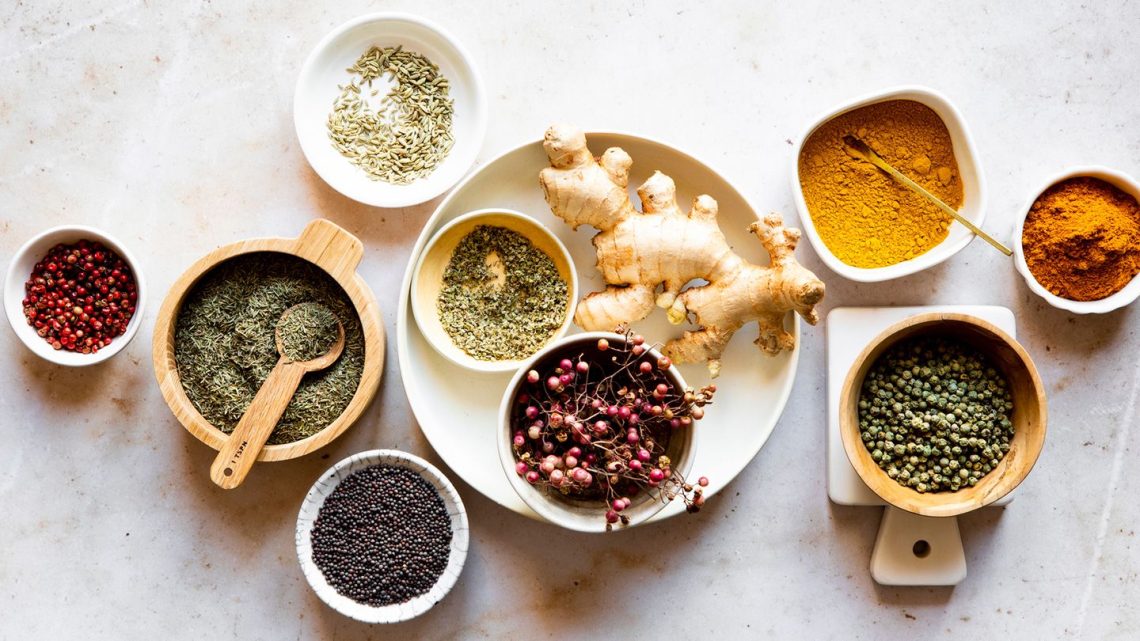
One of the main characteristics of arthritis is inflammation; therefore, including anti-inflammatory spices in the diet against arthritis can help manage symptoms. Of course, the treatment suggested by the doctor should be followed.
Is there evidence of the benefits of anti-inflammatory spices against arthritis? Certainly! Discover them below!
The Best Anti-Inflammatory Spices for Arthritis
In patients with arthritis, the joints are swollen, sensitive, and stiff. As the disease progresses, inflammation becomes chronic and makes movement and daily activities impossible. Consequently, the quality of life is reduced.
Fortunately, there are currently several therapeutic options to improve joint function and reduce the risk of complications. Among these, diet plays a very important role. Although an individualized approach is recommended, there are some general recommendations that everyone can apply.
Regular consumption of anti-inflammatory spices is very beneficial against arthritis. They help regulate inflammation. A study published in the Journal of Translational Medicine supports the properties of these spices. Turmeric, cloves, coriander, garlic, ginger, and cayenne pepper, among others, have the potential to influence inflammatory pathways. How do they help in arthritis?
1. Turmeric
The main active compound in turmeric, curcumin, is a natural anti-inflammatory. The spice is used in traditional Chinese medicine and Ayurvedic medicine as an adjunct to relieve pain and swelling associated with various musculoskeletal disorders, including arthritis and osteoarthritis.
In an investigation published by the Journal of Medicinal Food, the use of this ingredient is suggested as a dietary supplement in inflammatory disorders. BMJ Open Sport & Exercise Medicine details that turmeric has positive effects in reducing pain and improving physical function in individuals with knee osteoarthritis.
Although its mechanism of action is under investigation, it has been shown that turmeric blocks inflammatory enzymes and cytokines. Thus, it inhibits the production of inflammatory mediators.
Turmeric can be added to many recipes, including soups, stews, and sauces. In its natural form, the bioavailability of curcumin is low. The Arthritis Foundation recommends 500 mg of curcumin extract in capsule form, twice a day.
Combining it with black pepper is recommended to promote absorption in the body. The concurrent use with anticoagulants, hypolipidemics, and supplements based on ginkgo biloba, garlic, or saw palmetto should be avoided.
2. Cinnamon
Cinnamon has medicinal applications. Two of its active compounds, cinnamaldehyde and cinnamic acid, have antioxidant and anti-inflammatory effects.
In a study published in Biochemical Pharmacology, cinnamaldehyde was shown to be a therapeutic agent against inflammatory diseases.
Supplementing with cinnamon serves as a therapeutic adjunct to reduce inflammation and clinical symptoms in patients with rheumatoid arthritis. This is due to its ability to lower the level of C-reactive protein, one of the markers of inflammation.
The spice is available in supplement form. It can also be added in powdered form to smoothies, oatmeal, and various desserts. It is not recommended to exceed the recommended dose. Additionally, simultaneous intake with anticoagulants should be avoided.
Cinnamon is on the list of anti-inflammatory spices against arthritis.
3. Garlic
One of the most commonly used anti-inflammatory spices in any kitchen is garlic. It contains diallyl disulfide, a substance that inhibits the effects of pro-inflammatory cytokines. It is consumed naturally and in supplement form to reduce inflammation and stiffness caused by arthritis.
A study on rodents reported by the Journal of Environmental Pathology, Toxicology and Oncology established that diallyl disulfide derived from garlic has anti-arthritic activity. It reduces inflammation and prevents cartilage damage.
In turn, an investigation published by Phytotherapy Research concluded that garlic supplementation can alleviate inflammatory mediators, as it reduces levels of C-reactive protein and tumor necrosis factor (TNF).
More extensive studies are needed to evaluate the effects of garlic on arthritis. In any case, it can be added to soups, pasta, vegetable dishes, etc. It can also be taken as a supplement, but under medical supervision.
4. Cayenne Pepper
Cayenne pepper offers active compounds known as capsaicinoids. These have analgesic, anti-inflammatory, and antioxidant activity. Capsaicin is used in small doses in topical formulations for the treatment of arthritis. Its application is associated with reduced pain and joint sensitivity.
The journal Osteoarthritis and Cartilage concludes that the use of a topical cream with capsaicin can reduce pain caused by osteoarthritis as quickly as non-steroidal anti-inflammatory drugs. Although more studies are needed, these products can be purchased from pharmacies.
While studies focus on the effects of topical capsaicin, anecdotal evidence suggests that oral administration of cayenne pepper has positive effects on pain and stiffness relief. It can be added to soups, stews, sauces, or dressings.
5. Black Pepper
Black pepper is often used to flavor a wide variety of dishes. What many do not know is that it offers active compounds such as piperine, with anti-inflammatory and antioxidant effects in the body. In traditional medicine, it is considered a beneficial supplement against joint disorders.
The European Journal of Pharmacology established that piperic acid, a molecule derived from piperine, has antinociceptive and anti-inflammatory activity. It facilitates the control of inflammation and pain intensity.
Another study on an animal model, published by Arthritis Research & Therapy, found similar evidence. Researchers concluded that piperine has anti-inflammatory, antinociceptive, and anti-arthritic effects. Therefore, investigating its potential as a dietary supplement against arthritis is recommended.
6. Cloves
Research on the effects of cloves against arthritis has yielded mixed results. Nevertheless, there is evidence suggesting that eugenol, one of its active compounds, has anti-inflammatory properties that contribute to reducing the symptoms of this disorder.
A review published in Oxidative Medicine and Cellular Longevity discusses the clinical potential of eugenol for the treatment of diseases associated with oxidative stress and inflammation.
The Biological and Pharmaceutical Bulletin notes that eugenol alleviates arthritis. It can be utilized through the topical application of clove essential oil. It should be combined with a carrier oil (almond, coconut, olive, etc.) as it is irritating. It is recommended to use 5 to 10 drops of essential oil for every 15 milliliters of carrier oil.
Other forms of consumption include:
Powder added to soups, stews, and baked goods
Tea or warm infusions
Cloves and essential oil
Essential oil of cloves
7. Ginger
Ginger contains two active compounds named gingerol and shogaol, which are credited with anti-inflammatory potential. In a review published in the Journal of Medicinal Food, researchers claim that this spice has pharmacological properties similar to non-steroidal anti-inflammatory drugs, but with fewer side effects.
Ginger supplementation may help treat rheumatoid arthritis by increasing the expression of certain genes involved in immune function. The spice can be added to meat dishes, soups, stews, and sauces. It can also be consumed fresh in shakes or infusions. Its essential oil can be combined with a carrier oil for massage application.
8. Thyme
A study published in the journal Complementary Therapies in Medicine revealed that thyme is one of the most commonly used anti-inflammatory spices among patients with rheumatoid arthritis. It is appreciated for its antioxidant, anti-arthritic, and mild analgesic effects.
Although evidence is limited, its effects are largely attributed to its content of thymol, a monoterpene phenol with the ability to promote the elimination of free radicals, reduce inflammation, and soothe pain.
Thyme can be added fresh or dried to meat dishes, legumes, and vegetables. It can also be prepared as an infusion. Its essential oil (mixed with a carrier oil) can be used for massage.
9. Oregano
Essential oils of oregano, as well as components such as thymol and rosmarinic acid, are natural anti-inflammatories. The journal Molecules highlights that oregano helps reduce inflammation and combat the negative effects of free radicals. Although specific studies are needed, its extracts are associated with reducing symptoms of rheumatoid arthritis.
The anti-inflammatory activity has been observed with the use of extracts. It is not known if oregano has the same effects when added naturally to the diet. Nevertheless, it is ideal alongside meat, soups, stews, etc.
10. Coriander
An animal study published in the Indian Journal of Medical Research found that this spice helps modulate pro-inflammatory cytokines. These findings are considered a starting point for studying coriander (Coriandrum sativum) as a therapeutic agent for rheumatoid arthritis.
Coriander can be added fresh to soups, stews, salads, etc. Supplements should be consumed under medical supervision.
Recommendations for the Safe Use of Anti-Inflammatory Spices Against Arthritis
Adding anti-inflammatory spices to the regular diet is safe. Typically, small amounts are used, which are well tolerated. Excessive consumption poses a risk of bloating and abdominal pain, gas, acid reflux, gastric irritation, and diarrhea. Other symptoms may include:
Altered heart rhythm
Nausea and vomiting
Drowsiness
Anxiety
Restlessness
It should not be overlooked that, in some people, spices can lead to allergic reactions. Symptoms may include hives, abdominal discomfort, and respiratory tract inflammation. Discontinue use and consult a doctor.
It is possible to find supplements derived from spices that promise to help alleviate arthritis. If you opt for this option, discuss it with your doctor first. Dosages may vary, but it is essential to adhere to the amount suggested by the manufacturer.
You should be cautious when consuming spices concurrently with certain medications. They may enhance or reduce the action of the medications. Wait at least two hours between taking medications and supplements.
Common interactions occur in association with the following:
Hypolipidemics
Anticoagulants
Antidepressants
Antidiabetics




