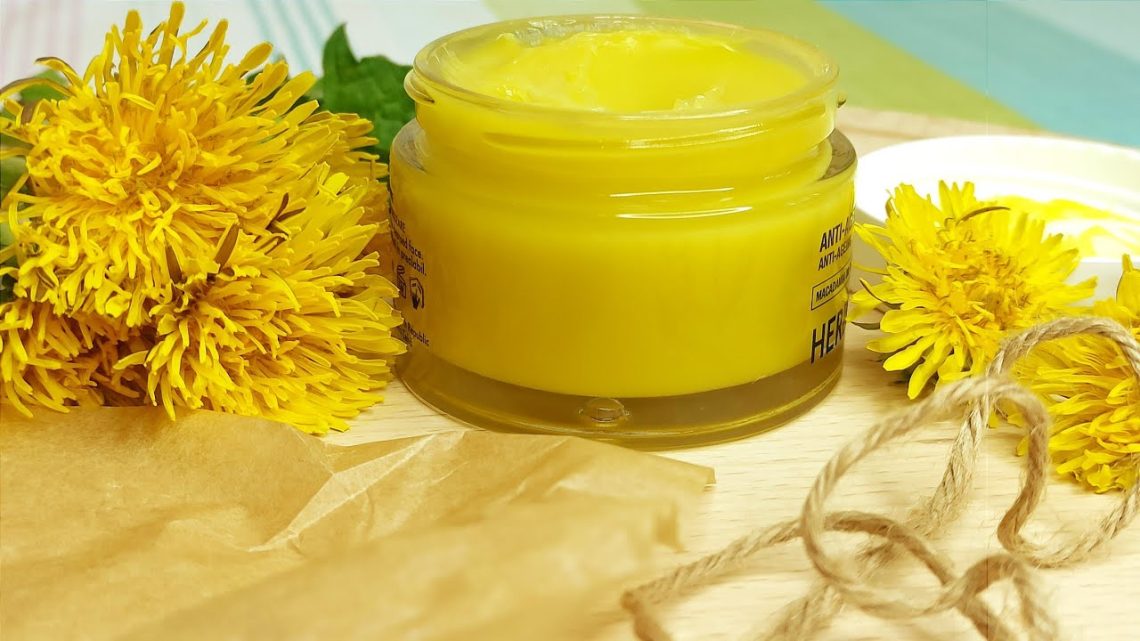
Dandelion creams or ointments have certain benefits for alleviating muscle and joint pain, but it is important to understand that their effectiveness is not always supported by solid scientific evidence.
Here are a few reasons why these creams might help:
1. Anti-inflammatory properties:
Dandelion contains natural compounds with potential anti-inflammatory effects, such as flavonoids and caffeic acid. It is believed that these compounds may help reduce inflammation around the joints, which can contribute to pain relief.
2. Possible analgesic properties:
Some research suggests that dandelion has analgesic or pain-relieving properties. These effects may be related to the compounds present in the plant.
3. Circulation stimulation:
Massaging with dandelion-based creams can improve blood circulation in the affected area. Better circulation can help deliver nutrients and oxygen to the joints and muscles, supporting recovery and reducing discomfort.
4. Nutrient content:
Dandelion contains nutrients such as vitamin C, vitamin A, vitamin K, iron, and minerals. These nutrients can contribute to the overall health of muscles, joints, and surrounding tissues.
5. Muscle relaxation:
Massaging with cream can help relax muscles in painful areas, which can reduce tension and discomfort.
6. Source of hydration:
Some creams contain natural oils, such as olive oil or coconut oil, which can help hydrate the skin and maintain its health.
It is important to mention that the effectiveness of dandelion cream can vary from person to person. If you experience persistent or severe joint pain, it is always recommended to consult a doctor for evaluation and appropriate treatment recommendations.
Here are two simple recipes for dandelion cream for joint and muscle pain:
Ingredients:
1 cup of fresh dandelion flowers
1 cup of olive oil or coconut oil
Preparation method:
Gather fresh dandelion flowers, ensuring they are clean and have not been treated with pesticides or other chemicals. Rinse them gently and let them dry.
Chop the dandelion flowers as finely as possible. You can use a blender or chop them manually with a knife.
Place the chopped dandelion flowers in a clean, dry jar.
Heat the olive oil or coconut oil in a pot over low heat until it becomes warm. Do not boil it.
Pour the warmed oil over the dandelion flowers in the jar, ensuring they are completely covered.
Seal the jar tightly and let it sit in the sun or in a warm place for 2-4 weeks. This process allows the beneficial substances from the flowers to infuse into the oil.
Shake the jar daily to ensure the ingredients mix well.
After the infusion period, strain the oil through cheesecloth or a fine sieve to remove the chopped flowers.
Pour the obtained oil into clean, airtight containers. You can use small bottles or empty cream jars for this purpose.
Apply the dandelion oil to the affected areas and massage gently. Repeat several times a day.
Dandelion Ointment with Beeswax:
Ingredients:
1 cup of fresh dandelion flowers
1 cup of olive oil or coconut oil
2 tablespoons of beeswax
Preparation method:
Gather fresh dandelion flowers, ensuring they are clean and have not been treated with pesticides or other chemicals. Rinse them gently and let them dry.
Chop the dandelion flowers as finely as possible. You can use a blender or chop them manually with a knife.
Place the chopped dandelion flowers in a clean, dry jar.
In a double boiler, melt the beeswax together with the olive oil or coconut oil. This can be done over low heat to avoid overheating.
Add the chopped dandelion flowers to the melted mixture and mix well.
Let the mixture cool slightly, then pour it into clean, airtight containers.
Allow the ointment to solidify completely in the containers.
Apply the ointment to the painful areas and massage gently. You can repeat several times a day.
Remember that these recipes use plant ingredients and natural oils, but the effects may vary from person to person.




