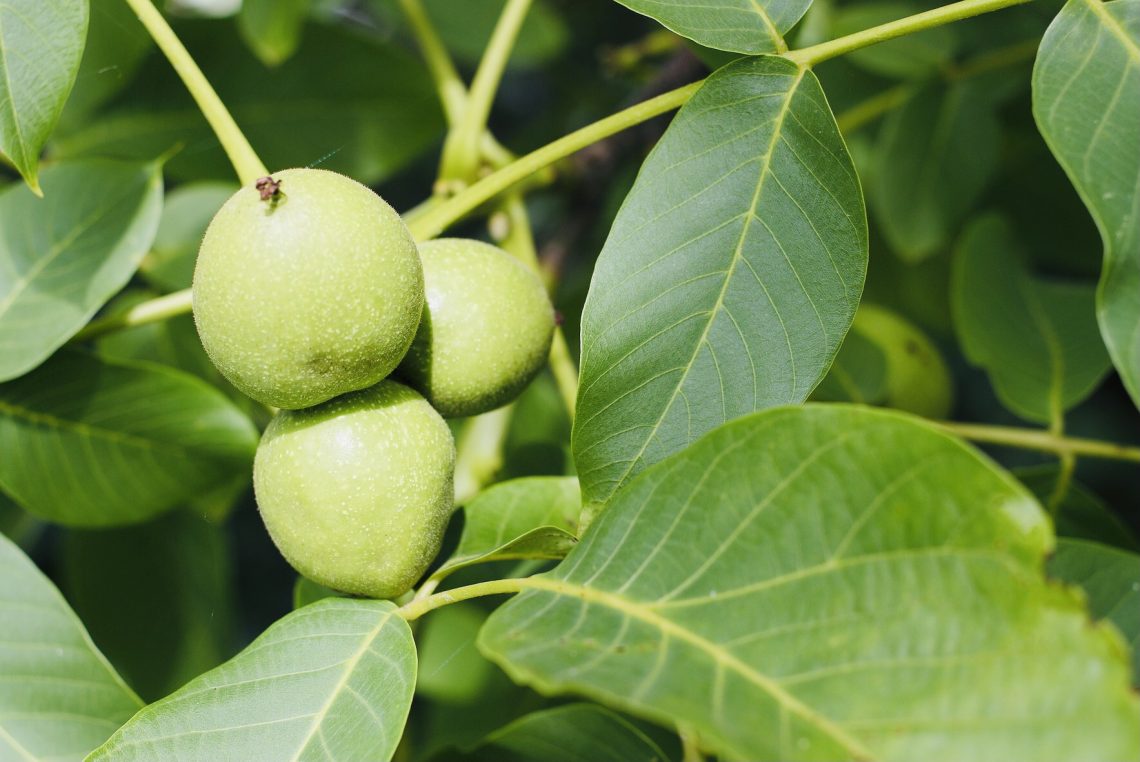
Walnut leaves are known for their anti-inflammatory and antioxidant properties, which can help reduce joint pain. In particular, compounds such as flavonoids and tannins found in walnut leaves may have the following benefits in alleviating joint pain:
1. Anti-inflammatory properties:
The anti-inflammatory substances present in walnut leaves can help reduce inflammation around the joints, which may contribute to alleviating pain caused by joint diseases such as arthritis.
2. Antioxidant effects:
The antioxidants in walnut leaves help combat free radicals in the body, which can worsen inflammation and contribute to the deterioration of joint tissues. By neutralizing free radicals, walnut leaves can support joint health.
3. Potential analgesic effect:
The natural substances contained in walnut leaves may have mild analgesic effects, helping to alleviate pain associated with joint issues. Applying compresses with walnut leaves can help reduce discomfort.
4. Improved circulation:
Some components of walnut leaves may help improve blood circulation in the area of the joints, providing the necessary nutrients for healing and maintaining joint health.
It is important to note that the exact benefits may vary from person to person, and the effects may differ depending on the severity of joint problems. Before using walnut leaf compresses or any other alternative treatment, it is always recommended to consult a medical specialist for personalized advice and to ensure that you have chosen the most suitable treatment for your condition.
To make a walnut leaf compress and apply it correctly, follow these steps:
Gather fresh, unblemished walnut leaves. Ensure they are clean and have not been exposed to chemicals or pollution.
Rinse the walnut leaves with cold water to remove any impurities.
Gently pat the leaves dry with a clean towel.
If desired, you can warm the leaves slightly in a microwave for a few seconds to make them more pliable and to release their natural oils. Make sure not to overheat them.
Apply the leaves directly to the affected area of the painful joint with the underside in contact with the skin. You can use multiple leaves to cover the entire area.
Use a piece of gauze or a clean cloth to secure the leaves. Wrap the area carefully and ensure it is secured comfortably, but not too tightly.
Leave the compress on for about 20-30 minutes. If you feel discomfort or a burning sensation, remove the compress immediately.
After you have left the compress on, remove it carefully and dispose of the leaves. You can rinse the area with warm water to remove any residues.
After removing the compress, pay attention to the affected area. It is recommended to maintain adequate hydration and allow the joint to rest.
It is important to remember that using walnut leaf compresses is an alternative treatment and does not replace medical advice. If you have persistent or severe joint pain, it is always recommended to consult a medical specialist before using any new treatment.
Walnut leaf compresses can have multiple benefits due to their natural properties.
Walnut leaf compresses can also be used to treat various issues, such as:
Reducing inflammation and skin irritations.
Alleviating the sensation of itching, especially in the case of insect bites or skin allergies.
Assisting in the healing of small wounds and scratches, due to the antiseptic and antibacterial properties of walnut leaves.
Alleviating joint pain or rheumatism by applying compresses to the affected areas.
Recommended Articles:




