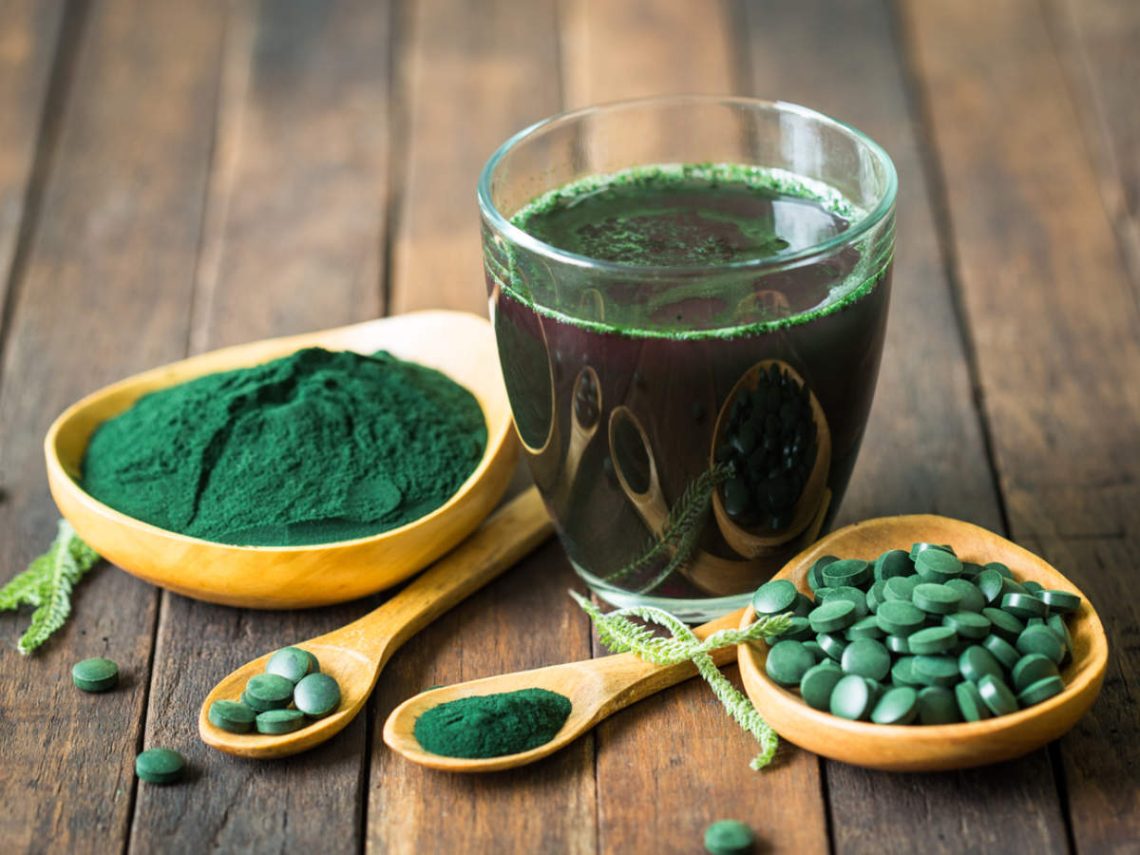
Spirulina offers many health benefits, including lowering cholesterol levels, improving immunity, increasing the number of red blood cells, providing anti-cancer properties and anti-inflammatory properties, protecting the liver, reducing toxicity in the kidneys, and controlling bronchial asthma.
Spirulina is a blue-green algae with a perfect spiral shape. It is found in alkaline lakes in Mexico and Africa. It is rich in nutrients such as proteins, carbohydrates, vitamins, minerals, and trace elements. It has the ability to survive in the harshest conditions, both environmentally and chemically.
Spirulina is considered a photosynthetic species, with a history of approximately 3.5 billion years. It is also speculated that such species were responsible for releasing oxygen into the atmosphere on early Earth.
Historical writings have shown that it was consumed as food even during the Spanish conquest in the 15th century. Even Columbus’s personal literature revealed a substance similar to ash that is collected from lakes, dried in the sun, and baked like bread.
Spirulina contains fiber, calcium, iron, magnesium, phosphorus, potassium, sodium, zinc, vitamins B6, C, A, E, K, thiamine, riboflavin, niacin, and folic acid.
Spirulina is useful for lowering LDL cholesterol levels and raising HDL cholesterol levels.
Prevents mercury poisoning
Inorganic mercury concentrations are mainly found in the kidneys, which are the most affected organs. Studies have shown that spirulina significantly reduces toxicity levels associated with mercuric chloride and the kidney damage caused by it.
Immunomodulatory properties
Various studies on spirulina have highlighted its immunomodulatory properties. These properties include bone marrow reproduction, increased thymus and spleen size, increased production of white blood cells, and an increase in the number of lymphocytes.
Increases the number of red blood cells
In addition to improving the immune system, spirulina can also be effective in increasing the number of red blood cells. A study conducted on older individuals showed that after 12 weeks of administration, their red blood cell count and hemoglobin levels increased significantly.
Antimicrobial properties
Spirulina extracts have antimicrobial properties. Extracts from spirulina have been successfully tested against viruses that affect both humans and animals. Viruses, including herpes simplex virus, influenza virus, measles, mumps, cytomegalovirus, and HIV, have been significantly controlled. Now, its extracts are considered medications for HIV patients, allowing them to live longer.
Controls cancer
Spirulina is the richest source of beta-carotene and phycocyanin. These biochemicals possess anti-cancer properties. Researchers believe that phycocyanin can neutralize harmful toxins in DNA. It also plays an important role in significantly controlling liver cancer.
Anti-inflammatory properties
When consumed regularly, spirulina reduces inflammation. Recent scientific studies indicate this fact. When laboratory animals were treated with spirulina, the inflammation associated with arthritis was significantly reduced compared to those who did not receive treatment.
Protects the liver
Phycocyanin present in spirulina has liver-protective properties. Research has shown that the effects on the liver, when previously treated with hepatotoxic chemicals such as carbon tetrachloride, were significantly reduced.
Reduces toxicity in chemotherapy
Cisplatin is a chemotherapeutic agent used in chemotherapy, which can lead to the accumulation of toxins in the kidneys. The intake of spirulina reduces the side effects caused by cisplatin.
Reduces ischemia
Research shows that spirulina helps reduce ischemia, a condition in which blood supply to tissues becomes restricted.
Controls bronchial asthma
Spirulina is beneficial for controlling bronchial asthma. Studies have shown that administering its extracts (1g/day) can have an effect comparable to medications for bronchial asthma.
Attention! Nutritional supplements with spirulina may interact with medications; consult your doctor before introducing spirulina into your diet, and generally, discuss with your doctor before adding any new food to your diet. Avoid giving it to children without prior medical consultation.




