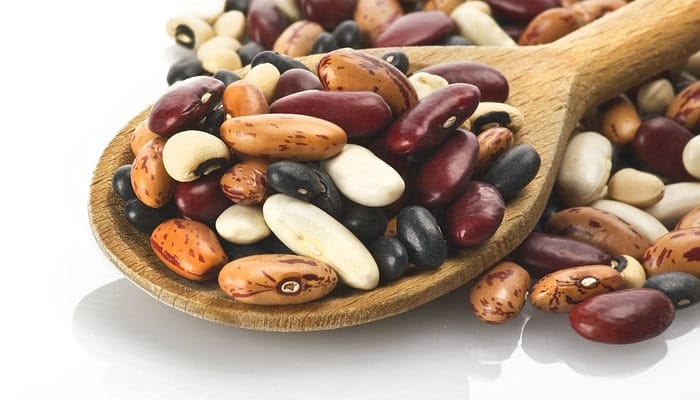
Beans offer numerous health benefits, containing a wide range of vitamins, minerals, and antioxidants, while being low in fat and cholesterol-free. They also contain small amounts of iron, selenium, magnesium, phosphorus, zinc, copper, potassium, and calcium. In terms of vitamins, beans excel in their content of B vitamins. Additionally, they contain molybdenum, as well as vitamins C, E, and K. They are very heart-healthy because they are rich in soluble fiber, which can lower cholesterol and triglyceride levels. A 1% reduction in total blood cholesterol can lead to a 2% decrease in the risk of heart attack.
Beans provide good amounts of potassium and magnesium, key minerals for heart health. Potassium naturally eliminates excess sodium and water from your system, thus regulating blood pressure. Magnesium, on the other hand, helps with nerve function and blood pressure regulation, according to the National Institutes of Health in the United States.
Beans contain only 2-3% fat. About half a cup of beans provides 7 grams of protein. Therefore, you can rely on beans as an excellent alternative to meat. In 150 grams of cooked beans, there are between 200 and 300 calories, depending on the variety. This calorie count is considered very low compared to the satiety it provides, making it excellent for those looking to lose weight. With a low glycemic index, beans contain a mix of carbohydrates and proteins. For this reason, they are digested slowly, which helps maintain stable blood sugar levels and can reduce fatigue and irritability. Scientists recommend that adults consume 3 cups of beans per week to promote health and reduce the risk of chronic diseases, such as cancer. This is due to their abundance of fiber and antioxidants. Thanks to the fiber, beans provide good digestion, preventing constipation. Doctors recommend a daily intake of 25g of fiber. On average, women consume only 12.1 to 13.8g/day. The fiber in beans does not break down, meaning that not much will be lost when cooked.
The iron deficiency is the most common nutritional deficiency and the main cause of anemia, a condition in which the body has fewer red blood cells than normal. Consuming beans is a way to boost your iron intake. For better iron absorption, it is recommended to consume beans with foods rich in vitamin C, such as bell peppers, broccoli, tomatoes, or citrus fruits.
Beans also contain a wide range of B vitamins, which help convert food into energy, stimulate good cholesterol, and reduce inflammation. Research has shown that folate and B6 help reduce the risk of cardiovascular diseases.
They are rich in healthy carbohydrates, which is why they are recommended in a type II diabetes diet, also having the ability to prevent the onset of diabetes.
Bean seeds are rich in antioxidants, protecting against free radicals, which could damage cells, leading to cancer. A study conducted by the Journal of Cancer Research in the United States found that those who consumed four or more servings of legumes per week had a lower incidence of colorectal polyps, a precursor to colon and rectal cancer. It has also been shown that saponins block the reproduction of cancer cells and slow tumor growth.




