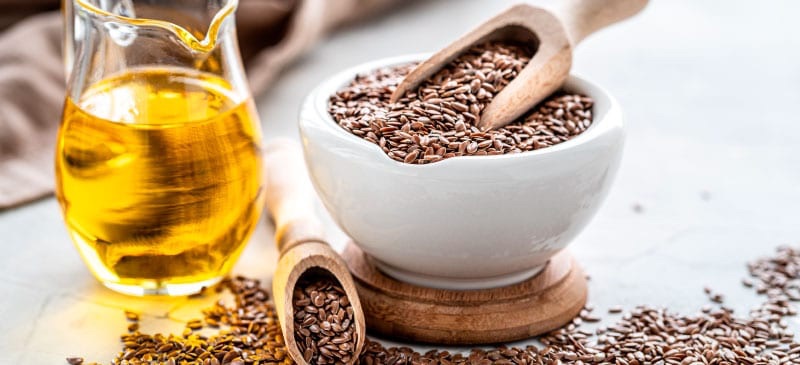
High consumption of omega-6 fatty acids can lead to health issues such as inflammation and cardiovascular diseases, but did you know that omega-6, such as linoleic acid, is an essential nutrient that must be consumed for proper brain function, metabolism, and bone development?
Unfortunately, in Western societies, the average intake of omega-6 fatty acids far exceeds nutritional requirements. Therefore, instead of focusing on the benefits of these polyunsaturated fatty acids, we often hear about their pro-inflammatory properties when consumed in excess. However, consuming organic, non-GMO sources of linoleic acid can reduce the risk of cardiovascular diseases, improve brain health, and even enhance reproductive health.
Linoleic acid, which accounts for approximately 90% of dietary omega-6 fatty acids, plays an important role in many biochemical processes.
What is linoleic acid?
Linoleic acid is an essential polyunsaturated fatty acid primarily found in vegetable oils. It is known as an omega-6 fatty acid and is essential for human nutrition because it cannot be synthesized by the human body.
In scientific terms, linoleic acid is a nutrient from the carbonyl functional group that contains two double bonds at the ninth and twelfth carbon.
Why is linoleic acid essential? Because humans cannot incorporate a double bond beyond the ninth carbon of the fatty acid, it cannot be synthesized naturally and must be consumed.
Linoleic acid is an important structural component of cell membranes and supports membrane properties such as fluidity, flexibility, and permeability.
While consuming omega-6 foods can be beneficial for our health for various reasons, excessive intake of these fatty acids can be problematic. It is easy to consume too much linoleic acid, as these oils are often used to make processed foods, which are consumed too frequently.
That is why it is important to consume a balanced ratio of omega-3 and omega-6 fatty acids, approximately 1:1 to 2:1. When consumed, linoleic acid can be desaturated into other omega-6 fatty acids, such as arachidonic acid, which is then converted into compounds called eicosanoids. These compounds are important for the normal metabolic function of our cells and tissues, but when produced in excess, they can contribute to a range of chronic diseases. This is why we need to be mindful of our omega-6 fatty acid intake.
Consuming foods rich in linoleic acid while maintaining an adequate balance with omega-3-rich foods can help improve cardiovascular health, brain function, immunity, skin health, and bone density. This acid is present in vegetable oils, such as sunflower and safflower oils.
Food Sources
Linoleic acid is the most consumed polyunsaturated fatty acid found in the human diet.
Wondering which foods are rich in linoleic acid?
According to the Linus Pauling Institute at Oregon State University and the Agricultural Research Service of the United States Department of Agriculture:
- Safflower oil: 10 grams in 1 tablespoon
- Sunflower seeds: 9.7 grams in 28 grams
- Pine nuts: 9.4 grams in 28 grams
- Soybean oil: 8.9 grams in 1 tablespoon
- Sunflower oil: 8.9 grams in 28 grams
- Corn oil: 7.3 grams in 28 grams
- Pecan nuts: 6.4 grams in 28 grams
- Sesame oil: 5.6 grams in 1 tablespoon
- Brazil nuts: 5.8 grams in 28 grams
Meat, including beef, lamb, and chicken, as well as milk, cheese, and eggs, are also good sources of linoleic acid, but the content depends on the animals’ diet and lifestyle. Products from grass-fed animals have a higher linoleic acid content.
Benefits
- May reduce the risk of cardiovascular diseases
- Promotes healthy brain function
- Supports skin and hair health
- Improves reproductive health
- Maintains immune function
- Protects bone density
Recommended Dose
- Adult men (19-50 years): 17 grams per day
- Adult women (19-50 years): 12 grams per day
- Adult men (51-70 years): 14 grams per day
- Adult women (51-70 years): 11 grams per day
- Children (1-3 years): 7 grams per day
- Children (4 years to adulthood): progressively increase from 7 grams per day
- Infants (7-12 months): 4.6 grams per day




